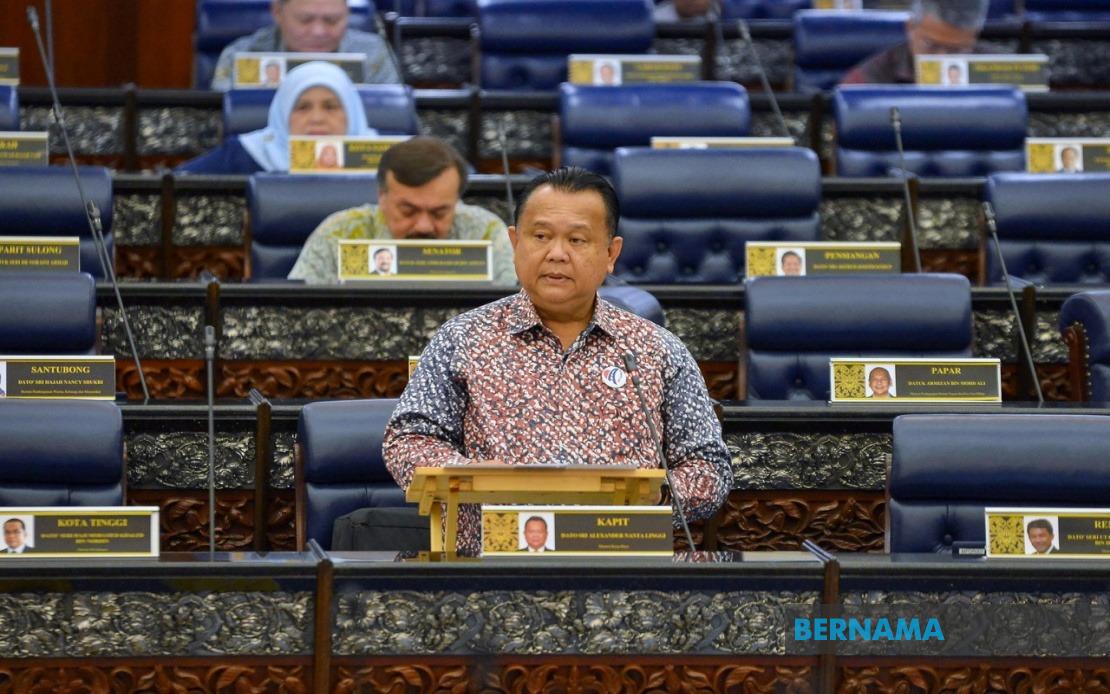
Malaysia's Smart Lane programme, operational on select stretches of the North-South Expressway (PLUS) for over a year, has delivered substantial gains in traffic flow management, reducing congestion by between 30 and 50 per cent according to data released by Works Minister Datuk Seri Alexander Nanta Linggi. The initiative represents a significant step forward in the government's efforts to modernise the country's expressway network and tackle chronic congestion that has long plagued major commuter routes, particularly during peak travel periods and major holidays.
During a parliamentary question-and-answer session, Nanta disclosed that continuous monitoring by the Malaysian Highway Authority (LLM) since the scheme's inception in 2023 has consistently validated its effectiveness. The programme's success stems from its deployment of dynamic lane management strategies that allow real-time adjustment of traffic patterns based on congestion levels, enabling authorities to optimise vehicle flow during periods of heavy usage. This approach has proven especially valuable during festive seasons and rush hours, when traditional static road configurations typically struggle to accommodate surging demand.
Concerns about motorcyclist safety prompted the question from Zakri Hassan (PN-Kangar), reflecting wider public apprehension about vulnerable road users sharing lanes with larger vehicles. However, statistical evidence presented by the minister appears to counter these worries. Analysis of accident data collected from January to May 2024 across twelve Smart Lane locations on weekdays revealed only 36 recorded incidents, suggesting relatively low crash frequencies when adjusted for traffic volume. Notably, motorcyclists involved in accidents on Smart Lane sections actually constituted a smaller proportion than on conventional routes, indicating that the controlled environment may encourage heightened rider caution and compliance.
The minister attributed most accidents within Smart Lane zones to poor user behaviour rather than inherent design flaws or safety hazards. Common infractions included unauthorised use of emergency lanes before or after designated Smart Lane sections, abrupt lane switching without proper signalling or space checking, and unjustified vehicle stops that create rear-end collision risks. These findings suggest that further driver education and enforcement campaigns could yield even greater safety improvements, addressing the human factors that remain the primary accident causation mechanism on Malaysian highways.
To strengthen ongoing oversight, the LLM has mandated that highway concessionaires engage independent road safety auditors to perform comprehensive stage-five audits every five years. These evaluations extend beyond motorcyclist concerns to encompass broader safety dimensions across the entire Smart Lane ecosystem. Recommendations emanating from such audits trigger specific corrective measures designed to mitigate identified risks, creating a continuous improvement cycle that should prevent accident rates from rising as usage expands.
Beyond traditional monitoring approaches, authorities are investing in cutting-edge surveillance and analysis infrastructure. The Ministry of Works and the LLM are progressively deploying closed-circuit television (CCTV) systems enhanced with artificial intelligence capabilities throughout Smart Lane corridors. These cameras function as intelligent traffic analysers, detecting congestion patterns in real time and enabling dispatch centres to coordinate response mechanisms with greater precision. Such technological integration represents a departure from reactive congestion management toward proactive, data-driven traffic orchestration that anticipates bottlenecks and dissipates them before they metastasise into gridlocked sections.
The Smart Lane initiative holds particular significance for Malaysia's broader infrastructure modernisation agenda. As urbanisation concentrates economic activity in major metropolitan clusters and regional corridors become increasingly vital for inter-city commerce and tourism, expressway capacity constraints threaten economic competitiveness. By demonstrating that intelligent traffic management can substantially alleviate congestion without major capital investment in physical expansion, the Smart Lane programme offers a scalable, cost-effective model for network enhancement across the region.
For Malaysian commuters, the practical implications are substantial. Journey time predictability improves when congestion is reduced by such margins, enabling workers and businesses to plan schedules with greater confidence and reducing the productivity losses associated with unpredictable delays. The programme's success during festive periods is particularly meaningful, as exodus movements during Chinese New Year, Aidilfitri, and year-end holidays have historically created severe bottlenecks that frustrated travellers and heightened accident risks across the expressway network.
From a regional perspective, Malaysia's Smart Lane experience offers valuable lessons for neighbouring Southeast Asian economies grappling with similar congestion challenges. Thailand, Indonesia, and Singapore have all explored comparable intelligent transportation system (ITS) solutions, but Malaysia's documented results provide empirical validation of effectiveness that can inform policy decisions elsewhere. The relatively modest infrastructure requirements and reliance on technology rather than land acquisition make the model particularly attractive for densely populated countries with limited space for traditional road widening.
The government's commitment to expanding this framework, as evidenced by the progressive rollout of AI-equipped CCTV monitoring, suggests Smart Lane will evolve from a pilot initiative into a permanent fixture of the expressway landscape. Future iterations may incorporate vehicle-to-infrastructure communication, dynamic toll pricing based on congestion levels, and integrated real-time route guidance systems that distribute traffic more evenly across parallel routes. Such enhancements could potentially push efficiency gains even further, though sustained public acceptance will depend on maintaining the high safety standards currently achieved.
The statistical case for Smart Lane appears robust, though continued vigilance remains essential. The relatively low accident counts from early operation should not breed complacency, particularly as expanded implementation encounters different demographic patterns, vehicle mixes, and environmental conditions. Regular independent audits, technological investment in monitoring infrastructure, and ongoing public education about smart lane protocols will collectively determine whether initial success translates into lasting improvements in Malaysia's expressway safety and efficiency profiles.

