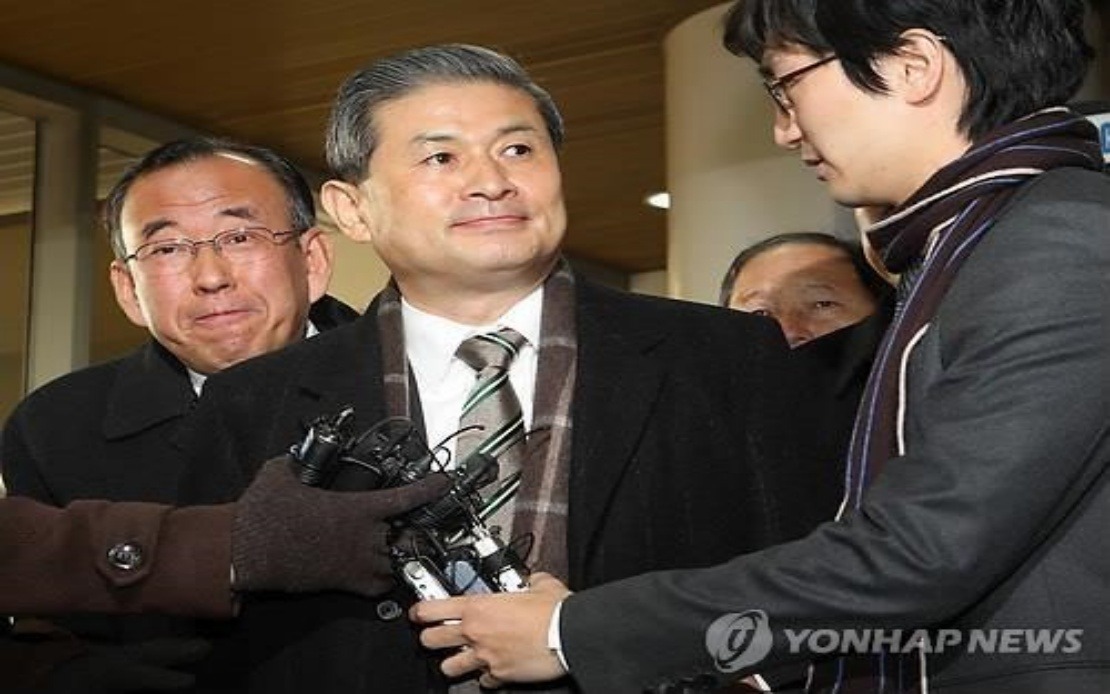
South Korea's interior ministry has revoked the nation's most prestigious science and technology award from former Seoul National University professor Hwang Woo-suk, completing a process that began two decades ago but was delayed by legal complications. The disgraced researcher originally received the Top Science and Technology Award in 2004, along with a monetary prize of 300 million won (approximately US$201,200), in recognition of what was then celebrated as groundbreaking work in human embryonic stem cell research. The formal revocation occurred this week following presidential approval granted on Tuesday, marking the conclusion of a drawn-out administrative process that reflects both the severity of scientific misconduct and the complexities of institutional accountability.
The timeline of events reveals how Hwang's fall from grace unfolded across multiple phases. In 2005, just a year after receiving the prestigious award, independent investigations exposed that his most celebrated research paper contained fabricated data. The supposed achievement—creation of the world's first cloned human embryo—became a scientific fraud rather than a genuine breakthrough. This discovery sent shockwaves through South Korea's scientific community and damaged the nation's reputation in global research circles. The following year, in 2006, Seoul National University formally dismissed Hwang from his position, effectively ending his academic career in one of South Korea's most prestigious institutions.
What makes this case particularly significant for understanding institutional governance is the procedural complexity that has extended the revocation process. The government initially moved to strip Hwang of his award in 2020, but that decision was subsequently challenged in court. A judicial ruling determined that the original revocation process contained procedural flaws, essentially invalidating what appeared to be a final administrative action. This legal setback required the government to restart the revocation process, demonstrating how even clear-cut cases of scientific misconduct can become entangled in bureaucratic and legal technicalities. The science ministry formally requested the revocation again in March of this year, setting in motion the sequence of approvals that culminated in this week's final decision.
The Top Science and Technology Award carries substantial weight within South Korea's scientific establishment, as it represents presidential recognition bestowed only on scientists and technologists deemed to have made exceptional contributions to the nation's technological advancement. Understanding the significance of this honour provides context for why its revocation, though overdue, remains symbolically important. The award embodies not merely financial reward but formal acknowledgment from the highest levels of government. By revoking it, South Korea sends a clear message about the consequences of research fraud and the institutional response required when scientific integrity is violated at the highest levels of achievement and recognition.
Hwang's case holds particular relevance for countries across Southeast Asia as nations invest heavily in building scientific capacity and international research reputation. The incident illustrates how a single researcher's misconduct can undermine confidence in an entire nation's scientific output and how the global scientific community responds to fabrication. For Malaysian readers and policymakers, the case demonstrates the importance of robust peer review mechanisms, institutional oversight, and the willingness to take corrective action even years after initial misconduct has been identified. It also underscores how scientific fraud can have long-lasting consequences that extend beyond individual careers to affect national prestige and international collaborations.
The South Korean government's eventual decision to complete the revocation process, despite legal obstacles, reflects evolving standards of accountability in Asia's advanced economies. While some might view the two-decade delay as institutional weakness, others see the persistence in pursuing revocation through proper legal channels as a demonstration of commitment to integrity. The fact that authorities pursued the matter through a second administrative process after a court challenge, rather than abandoning the effort, indicates serious engagement with accountability principles. For a country that has positioned itself as a global scientific leader, maintaining the credibility of its award systems and research standards remains crucial.
The monetary and symbolic losses associated with the revocation may seem modest in isolation—the 300 million won prize from nearly two decades ago—but the reputational impact on Hwang himself has been far more substantial and enduring. Beyond formal revocation, he has faced long-term professional isolation, damaged reputation, and the permanent association of his name with scientific fraud in historical and academic records. This serves as a powerful deterrent to researchers considering similar misconduct. In the context of rapidly developing Asian research landscapes, where pressure to publish and achieve recognition can be intense, the Hwang case provides a sobering reminder of consequences.
The administrative machinery that finally completed this revocation involved coordination between the science ministry, which initiated the request, and the interior ministry, which handled the formal process and sought presidential approval. This multi-layered approval structure, while sometimes cumbersome, ensures that significant decisions affecting recognition and honour receive appropriate scrutiny at multiple governmental levels. The involvement of presidential approval particularly underscores the gravity with which South Korea treats violations of scientific integrity at the highest level of achievement. Such institutional processes, when functioning properly, help prevent arbitrary decisions while ensuring that consequences for misconduct are properly considered and formally implemented.
For the international scientific community, South Korea's persistence in completing this revocation reaffirms commitment to research integrity standards even when procedural complications arise. The case has been cited in discussions of research ethics and misconduct consequences across academic institutions globally. As Asian nations increasingly compete for research excellence and international recognition, incidents like the Hwang case become cautionary tales that inform policy development around research oversight. The revocation serves as a reminder that national prestige built on fabricated research is ultimately fragile and that genuine advancement requires scrupulous adherence to ethical standards and transparent methodology.
Moving forward, South Korea's handling of the Hwang matter—from the initial investigation through the legal challenge and ultimate revocation—provides a model for how institutions can address historical misconduct comprehensively. While the two-decade timeline might seem lengthy by some standards, the determination to see the process through to completion demonstrates institutional resilience. For other countries in the region developing their own research governance frameworks and accountability mechanisms, the South Korean experience offers valuable lessons about the importance of clear procedures, appropriate oversight structures, and the long-term commitment required to maintain scientific integrity standards.

