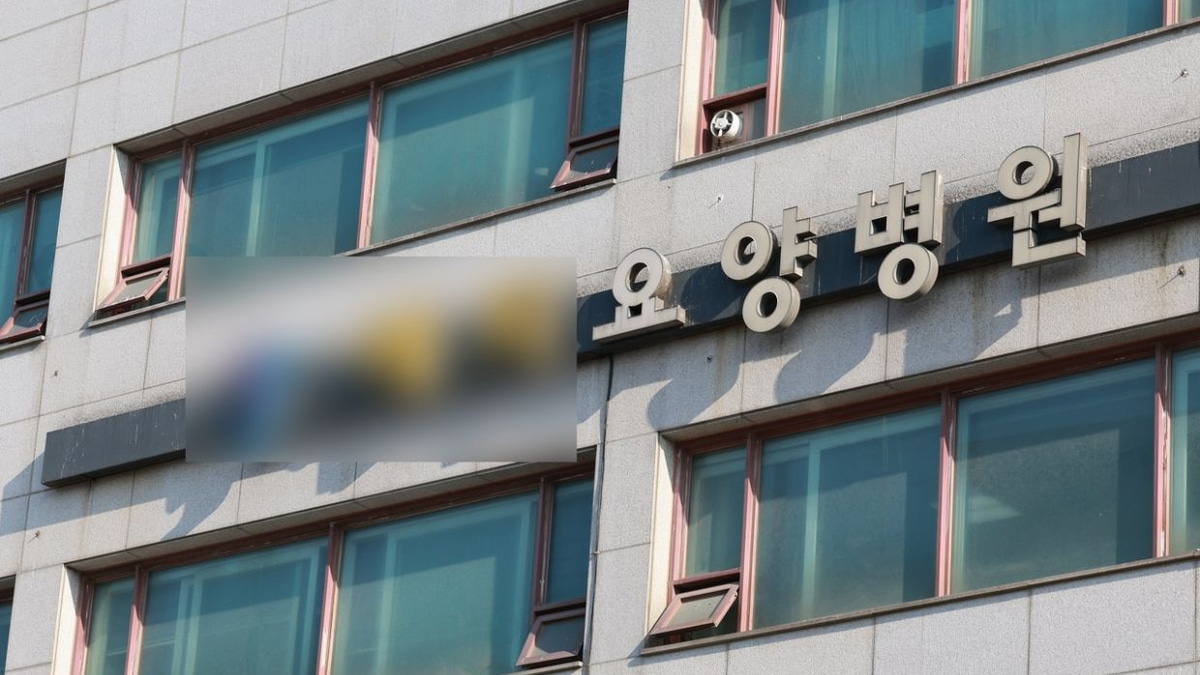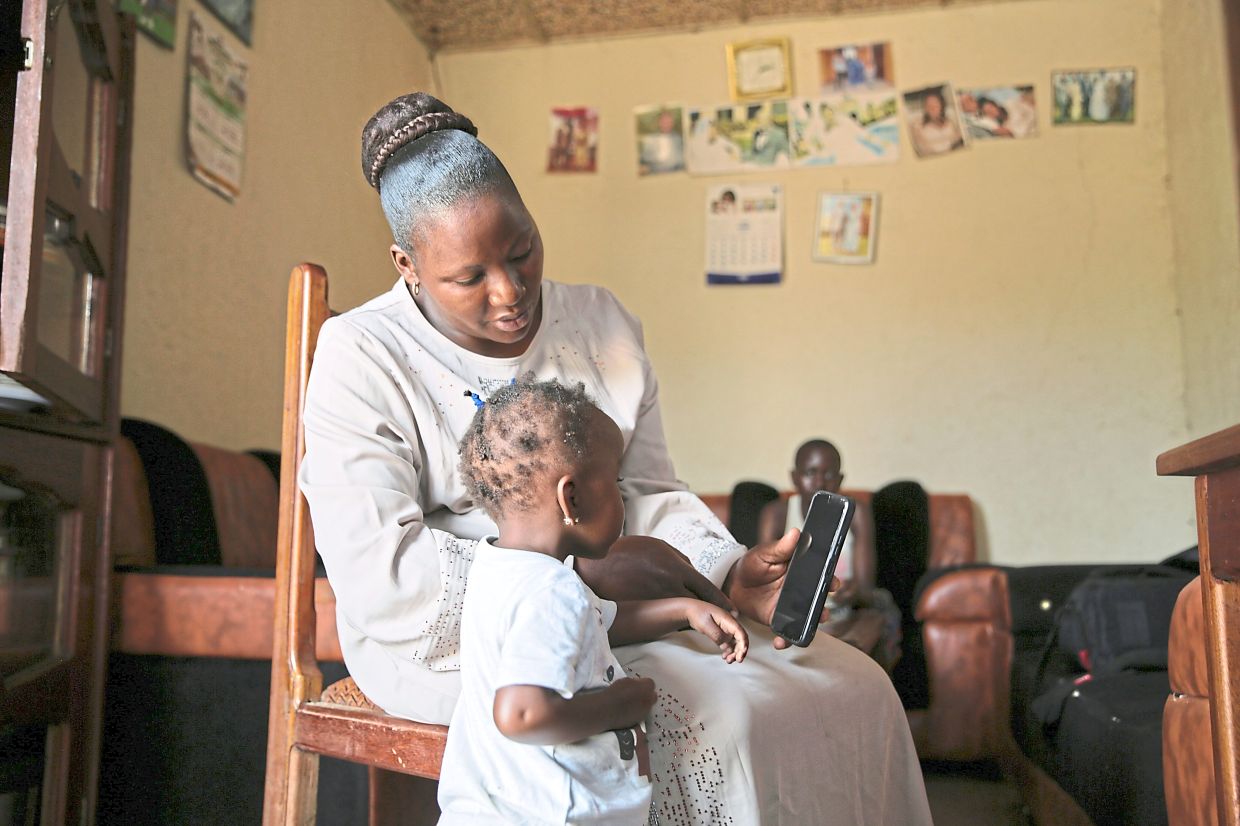
Memories of the 2018-2020 Ebola outbreak continue to haunt Vianney Kambale Kombi, who experienced the virus firsthand in Beni, a major commercial centre in eastern Congo bordering Uganda and Rwanda. The second-largest Ebola outbreak in history claimed over 2,200 lives across more than 3,400 confirmed cases, ultimately contained through mass vaccination campaigns. Yet as Congo grapples with a new Ebola outbreak caused by the rare Bundibugyo virus—which has already recorded 550 confirmed cases, 101 deaths, and 19 recoveries as of June—survivors are raising alarms about lessons that may not have been learned.
Kombi's experience underscores a fundamental challenge that undermined the earlier response: widespread rejection of the disease's very existence. In Beni and surrounding communities, a toxic combination of factors—limited health literacy, competing narratives about illness causation, and deeply rooted cultural beliefs—created an environment where the virus thrived. Many residents attributed Ebola to witchcraft or supernatural forces rather than a viral pathogen. This conceptual barrier proved devastating, as people rejected medical advice and avoided health facilities, inadvertently becoming vectors for transmission within their families and neighbourhoods.
The spread of conspiratorial thinking further complicated containment efforts. Some community members dismissed Ebola as a "Western conspiracy for funding reasons," a suspicion that reflected broader anxieties about external actors and their motives in Congo. These narratives were not isolated fringe beliefs but widespread interpretations that gained traction during a period of political instability. For Kombi and his neighbours, the disease represented an incomprehensible threat that official authorities seemed unable to explain convincingly. The absence of trusted local voices explaining the outbreak left a vacuum filled by rumour and speculation.
Bienfait Wanzire, another survivor from the 2018 outbreak, articulated how political and spiritual frameworks superseded epidemiological understanding in shaping community responses. During that period, Congo was experiencing electoral tensions, and some residents interpreted the outbreak through a political lens—viewing it as a manipulation by rivals or a distraction from governance failures. Others framed it as a spiritual illness requiring traditional remedies and spiritual intervention rather than clinical treatment. This multiplicity of competing explanations reflected the genuine confusion and fear gripping affected communities, but it also demonstrated how vulnerable populations are to misinformation when official communication channels lack credibility.
Health workers themselves became targets of community anger and suspicion. Dr Babah Mutuza Lusungu, a physician at Dieu Est Grand Medical Centre in Beni, witnessed this resistance firsthand as he lost his uncle and two colleagues while attempting to convince people that Ebola posed a genuine threat. The resistance was not merely passive scepticism but active hostility, creating what Dr Lusungu termed "a climate of mistrust" between the population, authorities, health partners, and medical professionals. This breakdown in trust relationships had cascading consequences: patients avoided seeking care, community members rejected contact tracing efforts, and health workers operated in an environment of fear and antagonism rather than cooperation.
The intergenerational dimensions of this crisis have received insufficient attention in response planning. Dr Lusungu emphasised that young people were largely excluded from outbreak response efforts, missing an opportunity to engage community leaders who could translate public health messages into culturally resonant language. Youth represent not merely demographic segments but potential amplifiers of health literacy and advocates for behaviour change within their peer networks. By bypassing youth engagement, response efforts failed to activate informal networks of trust and communication that might have accelerated acceptance of protective measures and treatment protocols.
The human toll extended beyond mortality statistics to encompass profound psychological and social trauma. Esperance Masinda, who worked for the UN children's agency in Beni during the 2018 outbreak, confronted the particularly wrenching challenge of supporting children orphaned by Ebola. She herself contracted the virus while caring for her husband, a medical doctor, during his illness. Though both eventually recovered thanks to vaccination, the stigma that followed proved nearly as damaging as the disease itself. Community members told the couple they would not survive beyond five years, that the vaccine administered during treatment carried lethal consequences, and that their very survival was unnatural.
This stigmatisation extended the suffering of survivors well beyond their clinical recovery. The psychological burden of being perceived as potentially dangerous or cursed created isolation and social fracturing at precisely the moment when psychological support and reintegration were most needed. Over time, as communities witnessed survivors thriving and remaining healthy, attitudes have shifted. Masinda noted that the same people who once avoided contact now recognise survivors as fully human members of their communities. Yet this attitudinal transformation required years rather than months, and such delays in social reintegration imposed unnecessary suffering on already vulnerable individuals.
The emergence of a new outbreak caused by Bundibugyo virus presents both risks and opportunities for Congo's public health response. The absence of an approved vaccine for this particular variant removes a critical tool that helped control the 2018-2020 outbreak, potentially making containment more difficult. Simultaneously, the voices of survivors offer unprecedented credibility in communicating about Ebola. Individuals like Kombi, Wanzire, and Masinda possess lived experience that resonates differently than official health messaging, particularly in communities where institutional authorities lack historical credibility.
Building more effective community engagement must begin with acknowledging why previous efforts faced resistance rather than dismissing scepticism as mere ignorance. The beliefs that Ebola was witchcraft or a conspiracy were not irrational given the information available and the historical context of medical interventions in Congo. Effective response requires meeting communities where they are, engaging respected local leaders and survivors as partners in communication, and creating spaces where concerns and fears can be heard and addressed rather than dismissed. Health workers themselves need protection from violence and recognition as community members rather than external impositions.
Survivors' testimonies suggest that preparedness for future outbreaks must prioritise trust-building long before cases emerge. This means investing in health literacy campaigns during non-crisis periods, establishing relationships between health institutions and communities, and creating clear communication channels through trusted local voices. In the Congolese context, this requires particular attention to understanding how communities interpret illness and health intervention, and recognising that scientific and biomedical frameworks coexist with other ways of understanding disease causation.
As the current Bundibugyo outbreak continues spreading, the lessons from the 2018-2020 crisis suggest that the epidemiological challenge is inseparable from a social and communicative one. Without renewed commitment to community engagement, trust-building, and survivor-led advocacy, even the most sophisticated medical interventions will encounter resistance. The survivors speaking out about their experiences are offering Congo an invaluable resource: authentic voices from within affected communities that can bridge the gap between official health messaging and community understanding, potentially transforming the response to this outbreak and improving preparedness for future health crises.
%22%2F%3E%3C%2Fpattern%3E%3C%2Fdefs%3E%3Crect%20width%3D%22100%25%22%20height%3D%22100%25%22%20fill%3D%22url(%23ph4adttg)%22%2F%3E%3Crect%20width%3D%22100%25%22%20height%3D%22100%25%22%20fill%3D%22url(%23ph4adttp)%22%2F%3E%3Ctext%20x%3D%2250%25%22%20y%3D%2250%25%22%20text-anchor%3D%22middle%22%20dominant-baseline%3D%22central%22%20fill%3D%22rgba(255%2C255%2C255%2C0.95)%22%20font-family%3D%22Georgia%2C%20'Times%20New%20Roman'%2C%20serif%22%20font-weight%3D%22700%22%20font-size%3D%22151%22%20letter-spacing%3D%22-0.02em%22%3ESingapore%3C%2Ftext%3E%3C%2Fsvg%3E)