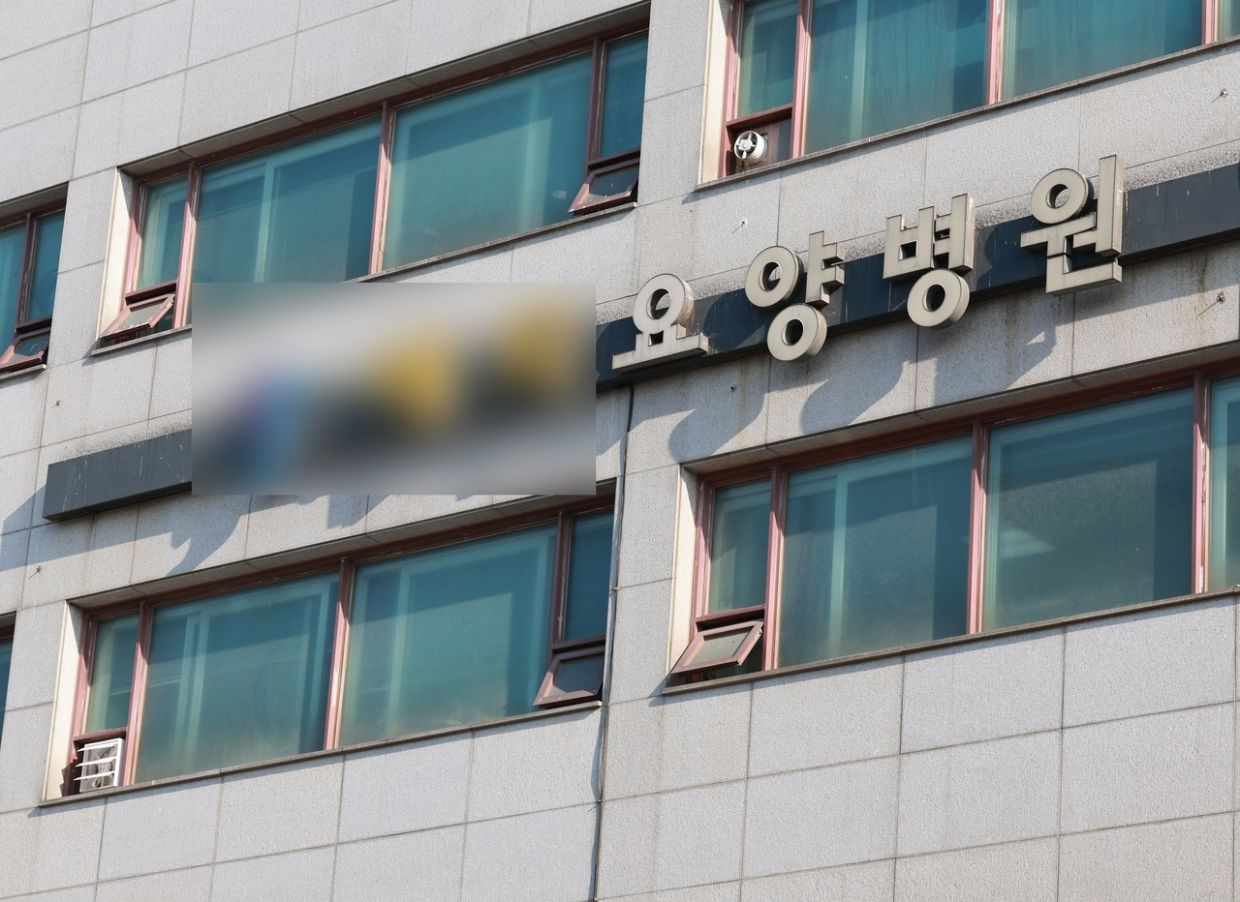
South Korean law enforcement authorities have concluded their initial inquiry into the disposal of a human limb at an Incheon recycling facility, determining that the leg—belonging to an elderly female patient—was inadvertently classified and processed as regular recyclable waste rather than properly segregated medical refuse. The Incheon Yeonsu Police Station made the formal confirmation on Friday, June 19, roughly a week after the discovery set off a broader investigation into institutional protocols at the Jung-gu nursing hospital responsible for the patient's care. The revelation has prompted regulatory scrutiny of how medical institutions handle potentially hazardous biological materials and whether adequate safeguards exist to prevent similar lapses across South Korea's healthcare sector.
The sequence of events that led to the limb's discovery at the Southern Regional Resource Recovery Centre on June 10 at approximately 2:28 pm began with a procedural failure within the hospital's waste management system. The leg had been surgically amputated from a woman in her eighties during her treatment at the Jung-gu facility, and while staff initially classified it correctly as medical waste requiring special handling, a member of the cleaning department—an individual in his sixties—subsequently mixed it with other refuse destined for recycling. According to police accounts, the worker mistakenly believed the severed limb was a prosthetic limb from a mannequin rather than actual biological material, a confusion that underscores potential gaps in staff training or signage protocols at the institution.
The discovery triggered a formal investigation after facility workers at the recycling centre flagged the unusual finding. The National Forensic Service intervened to conduct preliminary analysis, confirming through physical examination that the leg belonged to an adult human rather than any artificial simulacrum. Following this determination, a hospital official approached police to report that the limb likely originated from their facility, a disclosure that officials characterise as cooperative but which raises questions about internal monitoring and oversight. Subsequent DNA testing by the forensic service conclusively matched the limb to the elderly female patient, eliminating any ambiguity about its provenance and establishing a clear chain of custody failure.
The investigation has revealed that the amputation itself may warrant separate scrutiny beyond the waste disposal irregularity. Police have begun examining whether the Jung-gu hospital possessed the necessary medical credentials, equipment, and facilities to legally perform such a significant surgical procedure, as allegations suggest the nursing facility may lack the infrastructure required for amputation surgery. This line of inquiry reflects broader concerns about whether the institution operated within regulatory parameters established by South Korea's Medical Service Act. The police statement acknowledged that determining whether specific criminal penalties apply under this statute requires consultation with multiple stakeholders, including the Korean Medical Association, the Ministry of Health and Welfare, and legal specialists.
Regarding the waste disposal violation, the applicable legal framework is more straightforward. South Korea's Wastes Control Act explicitly mandates that medical waste—including all human biological materials—must be disposed of separately using government-designated containers rather than entering standard recycling or general waste streams. This regulatory requirement exists specifically to protect public health and prevent inadvertent exposure to potentially infectious materials. The hospital now faces potential accountability for this breach, as the investigation has confirmed that proper protocols were not followed, irrespective of the staff member's mistaken assumptions about the nature of the material being discarded.
The circumstances surrounding the patient's admission to the Jung-gu nursing hospital add humanitarian context to the regulatory failures. Family members indicated to police that the elderly woman had been transferred to the nursing facility after other hospitals declined to admit her, citing her deteriorating medical condition and limited prognosis. This detail suggests that the institution may have accepted a complex case despite potentially lacking full capacity, a scenario not uncommon in South Korea's healthcare ecosystem where some patients face difficulty securing appropriate placement. Whether this admission decision relates to the subsequent amputation and waste disposal failures remains unclear, but it establishes that institutional limitations may have played a role in the overall sequence of events.
The case illustrates significant vulnerabilities in how medical institutions manage sensitive biological materials and the consequences when training, supervision, or institutional culture fails to reinforce proper procedures. Even when intentions are benign—as appears to be the case with the cleaning staff member's misidentification—the potential public health implications of medical waste entering general recycling streams are substantial. The discovery of human remains at a civilian facility inevitably triggers alarm and reputational damage, irrespective of investigative conclusions that no criminal activity occurred. For Malaysian readers, this incident underscores the importance of robust medical waste management protocols and the need for regular staff training across healthcare facilities, particularly in nursing homes and smaller medical institutions.
Police investigators are continuing to consult with relevant authorities before finalising their formal conclusion regarding potential violations of the Medical Service Act. The Korean Medical Association and Ministry of Health and Welfare will likely provide guidance on whether the amputation itself breached regulatory standards, a determination that could result in additional consequences for the hospital beyond waste management penalties. The involvement of these multiple regulatory bodies suggests that South Korean authorities are treating this matter with appropriate seriousness, recognising that institutional accountability serves a broader deterrent function across the healthcare sector.
The extended investigation reflects institutional and legal complexity rather than conspiracy or intentional misconduct. However, the case demonstrates that even straightforward procedural lapses can generate public concern and regulatory intervention. For healthcare administrators across Southeast Asia, the Incheon incident serves as a cautionary example of how inadequate waste management protocols and insufficient staff oversight can expose institutions to legal liability and reputational harm. The fact that the hospital voluntarily disclosed information to police likely mitigated potential penalties, but the regulatory scrutiny continues regardless, signalling that compliance with biological waste disposal standards is non-negotiable and subject to rigorous enforcement in South Korea's healthcare regulatory environment.