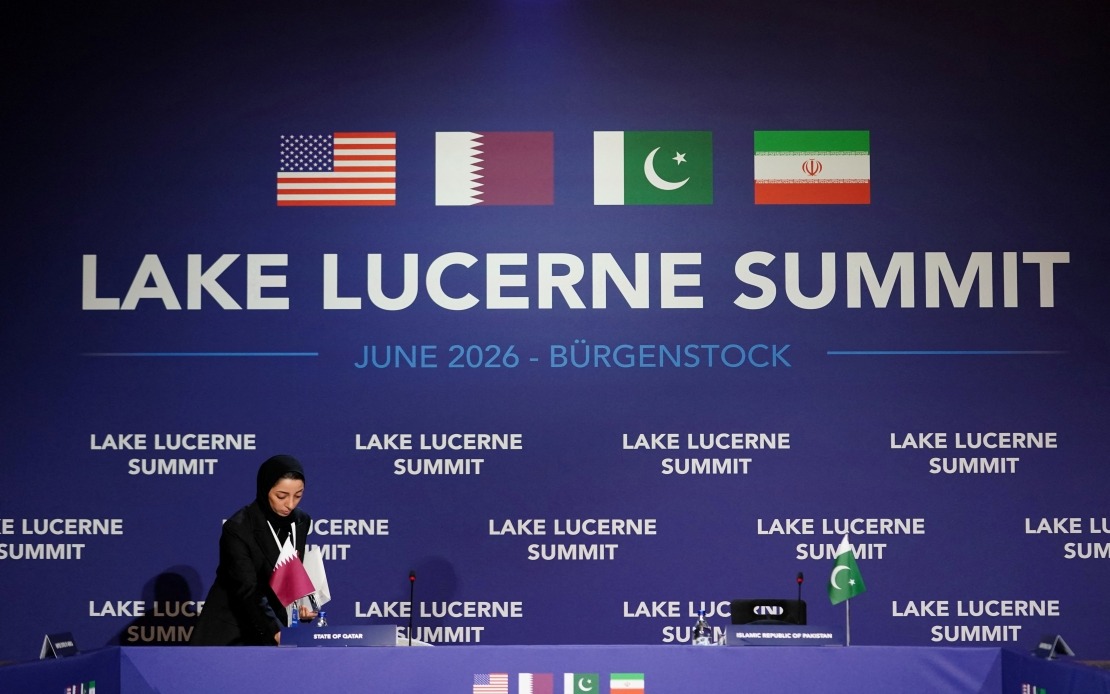
Four strategically important Muslim-majority nations have collectively thrown their weight behind a recently signed agreement between Washington and Tehran, signalling growing consensus among regional heavyweights that diplomatic engagement offers the most viable path to reducing tensions in West Asia. The foreign ministers of Türkiye, Egypt, Pakistan and Saudi Arabia released a coordinated statement on Sunday following high-level talks in Cairo, characterising the Islamabad Memorandum of Understanding as a meaningful development in efforts to ease the long-running confrontation between the United States and Iran.
The diplomatic initiative represents a rare moment of alignment among nations with sometimes competing regional interests. Türkiye, a NATO member straddling Europe and Asia, has long sought to balance its Western security commitments with economic ties to Iran. Egypt controls the strategic Suez Canal and maintains delicate relationships across the Arab world. Pakistan, a nuclear power with deep historical connections to Iran, has positioned itself as a natural mediator in regional disputes. Saudi Arabia, the Arab world's largest economy and a crucial US security partner, has emerged as a pragmatic player willing to engage with rival Tehran. That all four have publicly endorsed the memorandum demonstrates their shared concern that uncontrolled escalation could destabilise the entire region.
The statement emphasises that the agreement addresses concerns far beyond the immediate political relationship between Washington and Tehran. The four nations highlighted the ripple effects that West Asian instability produces across global markets, particularly regarding energy supplies and maritime security. This framing reflects genuine anxieties about how regional conflict threatens international commerce and the freedom of navigation through critical shipping lanes upon which global trade depends. For Southeast Asian economies like Malaysia, which depend heavily on uninterrupted flow of Gulf oil and passage through contested waters, these concerns carry particular weight. Disruptions to energy markets or chokepoints such as the Strait of Hormuz reverberate through Asian supply chains within weeks.
Central to the four nations' endorsement is recognition of Pakistan's pivotal role in brokering the talks that produced the memorandum. Islamabad's diplomatic positioning as a bridge between Washington and Tehran, combined with its geographic proximity and historical relationships with both powers, made it a natural venue for negotiations. The statement also acknowledges Qatar's supporting role, underscoring how smaller regional actors can punch above their weight when consensus exists. This multilayered diplomatic architecture—combining the leverage of major powers with the mediation skills of committed intermediaries—offers a model that Southeast Asia might observe closely as it navigates its own great-power rivalries.
However, the ministers stressed that the memorandum represents merely a foundation rather than a comprehensive settlement. They called for swift movement toward negotiating a permanent, verifiable and mutually satisfactory arrangement that addresses all outstanding disagreements. This measured language suggests that while the foreign ministers view the deal positively, significant obstacles remain. Years of mutual suspicion, competing regional ambitions, and legacy grievances cannot dissolve through a single agreement. The emphasis on ensuring that future arrangements account for Gulf states' security interests signals that Saudi Arabia and its allies remain anxious about Iranian regional activities, particularly support for proxy militias and missile development programs.
The statement's treatment of the Palestinian question reveals how regional powers continue linking the Israeli-Palestinian conflict to broader stability discussions. The four ministers reaffirmed support for Palestinian statehood based on 1967 borders with East Jerusalem as the capital, positioning Palestinian rights as integral to any durable regional peace architecture. This language reflects Arab and Muslim consensus positions but also underscores that Western Asia's security framework remains incomplete without addressing the Israeli-Palestinian impasse. For Malaysia and other nations that have historically supported Palestinian rights, this unified statement from major regional actors carries diplomatic significance.
The collective statement carries implicit messaging about the architecture of regional security in the post-agreement environment. Rather than allowing the United States and Iran to dominate the narrative around de-escalation, the four nations positioned themselves as guarantors of stability with legitimate security interests that must be protected. This assertion of agency by regional powers reflects a broader trend toward multipolarity in international relations, where middle powers refuse passive roles in great-power settlements. Türkiye's inclusion is particularly noteworthy, as it maintains complex relationships with both Washington and Tehran while pursuing independent strategic objectives.
From a Malaysian perspective, the endorsement by these four nations matters significantly. As a Southeast Asian nation with interests in maintaining open international commerce and stability in regions that affect Asian prosperity, Malaysia benefits when major powers pursue diplomatic solutions over military confrontation. Escalation in West Asia inevitably creates energy price spikes and shipping disruptions that reach across the Indian Ocean to affect our region. The joint statement, while not binding, signals that influential Islamic nations have concluded that managed coexistence with Iran serves their interests better than continued confrontation.
The statement's emphasis on international maritime routes and global supply chains suggests that the four ministers understand how regional conflicts impose costs on distant economies. This global perspective may gradually shift how West Asian nations calibrate their policies toward Iran, recognising that pursuing maximum pressure creates negative externalities for countries thousands of kilometres away. For Malaysia's trading economy, such recognition translates into potential benefits through more stable energy markets and predictable shipping routes.
Looking ahead, the real test will be whether this diplomatic consensus translates into sustained pressure on both Washington and Tehran to negotiate comprehensively. The joint statement provides political cover for continued engagement but cannot compel either party to make difficult compromises. Pakistan's investment in the process runs deep, and Saudi Arabia's apparent willingness to work with Iran suggests that even America's most stalwart regional ally has concluded that maximum pressure strategies carry diminishing returns. Whether these diplomatic momentum continues or stalls will shape not only West Asian stability but also the commercial environment affecting all trading nations dependent on the region's energy and maritime assets.
%22%2F%3E%3C%2Fpattern%3E%3C%2Fdefs%3E%3Crect%20width%3D%22100%25%22%20height%3D%22100%25%22%20fill%3D%22url(%23ph6m3xg)%22%2F%3E%3Crect%20width%3D%22100%25%22%20height%3D%22100%25%22%20fill%3D%22url(%23ph6m3xp)%22%2F%3E%3Ctext%20x%3D%2250%25%22%20y%3D%2250%25%22%20text-anchor%3D%22middle%22%20dominant-baseline%3D%22central%22%20fill%3D%22rgba(255%2C255%2C255%2C0.95)%22%20font-family%3D%22Georgia%2C%20'Times%20New%20Roman'%2C%20serif%22%20font-weight%3D%22700%22%20font-size%3D%22320%22%20letter-spacing%3D%22-0.02em%22%3E32%3C%2Ftext%3E%3C%2Fsvg%3E)