%22%2F%3E%3C%2Fpattern%3E%3C%2Fdefs%3E%3Crect%20width%3D%22100%25%22%20height%3D%22100%25%22%20fill%3D%22url(%23ph3dyskg)%22%2F%3E%3Crect%20width%3D%22100%25%22%20height%3D%22100%25%22%20fill%3D%22url(%23ph3dyskp)%22%2F%3E%3Ctext%20x%3D%2250%25%22%20y%3D%2250%25%22%20text-anchor%3D%22middle%22%20dominant-baseline%3D%22central%22%20fill%3D%22rgba(255%2C255%2C255%2C0.95)%22%20font-family%3D%22Georgia%2C%20'Times%20New%20Roman'%2C%20serif%22%20font-weight%3D%22700%22%20font-size%3D%22194%22%20letter-spacing%3D%22-0.02em%22%3EUnusual%3C%2Ftext%3E%3C%2Fsvg%3E)
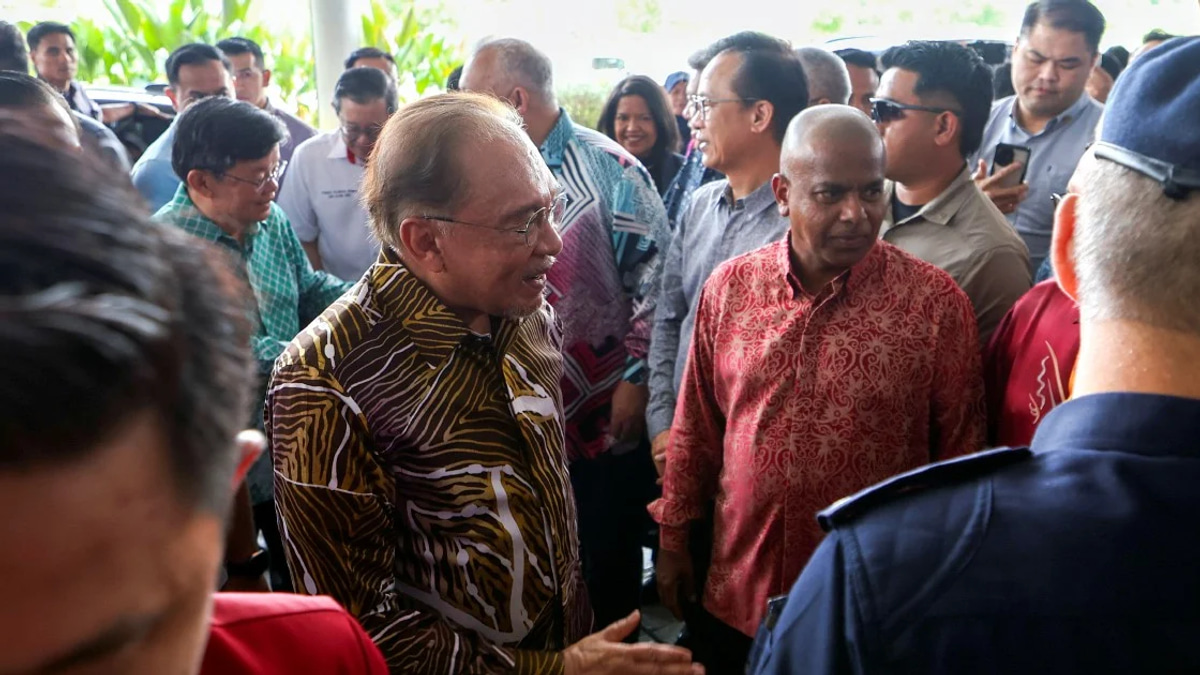
A meteorological phenomenon rarely encountered in Perak struck the Bercham area of Ipoh yesterday afternoon, leaving a trail of destruction across residential neighbourhoods and nearby commercial establishments. The intense but brief storm, which struck around 3 pm, damaged more than 240 homes and eight business premises scattered across five distinct locations, marking an unusual and unprecedented event for the district according to officials who inspected the damage. The incident has drawn immediate attention from government authorities, with Ipoh Barat Member of Parliament M. Kulasegaran, who serves as Deputy Minister in the Prime Minister's Department (Law and Institutional Reform), personally overseeing victim assistance efforts.
Kulasegaran characterised the storm as distinctly different from typical weather disturbances that have periodically affected the region in recent years. Past incidents have generally resulted in fallen trees or minor structural damage, but yesterday's event produced consequences far more severe, resembling the impact of a small typhoon across concentrated areas. He attributed the phenomenon to a landspout, a vortex of rotating air that occasionally forms beneath thunderstorms and can produce damaging winds localised to small geographic areas. The MP emphasised that such an occurrence had not been previously documented in Bercham, making it a rare and unsettling event for long-time residents.
The scale of damage became clearer as official assessments progressed throughout the morning. Ipoh district police chief ACP Muhammad Najib Hamzah reported that as of this morning, 240 residences and eight commercial premises had been confirmed as affected by the incident. Police records indicated that 121 formal reports of damage and property destruction had been filed, though officials cautioned that the final tally of affected households and total financial losses remained uncertain. Some property owners were away on vacation, while others had leased their homes to tenants or short-term occupants, complicating the verification process and potentially obscuring the full extent of the disaster.
The storm's immediate aftermath posed several serious risks to residents still in the affected zones. Many houses sustained significant roof damage, raising urgent concerns about the possibility of continued rainfall exacerbating the situation and potentially causing further deterioration of structural integrity and interior spaces. Recognising this critical concern, authorities rapidly mobilised repair resources to address the most pressing needs. Kulasegaran confirmed that the Implementation Coordination Unit under the Prime Minister's Department had been contacted to dispatch contractors capable of undertaking immediate restoration work, with efforts prioritised to begin repairs within hours rather than days.
Assistance mechanisms were activated swiftly to support displaced or damaged property residents. The Social Welfare Department collaborated with village headmen and other government agencies to register victims and channel emergency aid to those requiring immediate support. Kulasegaran urged affected residents to file formal police reports, a procedural step that facilitates the distribution of government assistance and ensures affected households are documented within official records. This administrative layer, while sometimes perceived as burdensome, creates the paper trail necessary for compensation claims and ensures targeted relief reaches those genuinely in need.
Public safety emerged as a paramount consideration in the aftermath of the storm. Police established cordons around the most severely damaged neighbourhoods, restricting access to authorised personnel and preventing unnecessary entry during the critical cleanup and repair phase. This measure was implemented not from excessive caution but from practical necessity, as daytime hours saw intense activity within affected zones with residents conducting structural assessments, contractors initiating repair work, and cleaning crews removing debris and hazardous materials. Traffic personnel were stationed throughout the affected areas to manage vehicle movement and maintain safe passage for emergency services and repair crews.
The Perak Civil Defence Force responded comprehensively to the disaster, with its Special Team operations coordinating rescue and recovery activities. Captain (PA) C. Sehgar, the chief of operations, confirmed that the department received numerous distress reports throughout the afternoon and evening detailing uprooted trees, damaged roof structures, and downed electrical infrastructure. By this morning, the majority of these immediate hazards had been addressed or made safe, though the underlying property damage remained substantial. The civil defence force continued collaborating with the Ipoh City Council and other agencies to maintain momentum in cleanup and restoration operations.
The Ipoh City Council mobilised its resources to lead cleanup operations, with civil defence personnel providing additional support to clear debris, fallen timber, and damaged materials from streets and public spaces. Nearly 200 houses required intervention or assistance, concentrating the workforce in specific neighbourhoods rather than dispersing efforts across broader areas. This concentration allowed for more efficient deployment of available equipment and personnel, though it also meant that recovery would proceed sequentially rather than simultaneously across all affected zones.
The fortunate aspect of the incident was the complete absence of fatalities or serious injuries reported among residents and workers. Despite the severe structural damage affecting properties worth potentially millions of ringgit collectively, the swift passage of the storm and relatively sparse density in some affected neighbourhoods meant that the human cost remained minimal. This stands in contrast to more severe meteorological events that have occasionally struck other parts of Malaysia, resulting in loss of life and long-term displacement of entire communities.
The incident underscores the vulnerability of residential areas to unusual weather phenomena that conventional building codes and urban planning may not adequately address. In Malaysia's tropical climate, where intense but brief storms are common, the emergence of a landspout as a distinct meteorological hazard represents a relatively rare occurrence that caught residents and authorities somewhat off guard. The rapid response from multiple government agencies demonstrated coordination capabilities, though it also highlighted the need for updated contingency planning in urban centres to address unusual atmospheric events alongside traditional storm management protocols.
For Ipoh residents and particularly those in Bercham, the storm serves as a stark reminder of nature's unpredictability despite decades of development and modern infrastructure. While immediate repair and assistance efforts are proceeding, longer-term implications may include discussions about building resilience standards and whether residential areas in Perak require enhanced protective measures against severe localised wind phenomena. The coming weeks will reveal whether this was a singular, freak occurrence or the beginning of a pattern that meteorologists should monitor closely.