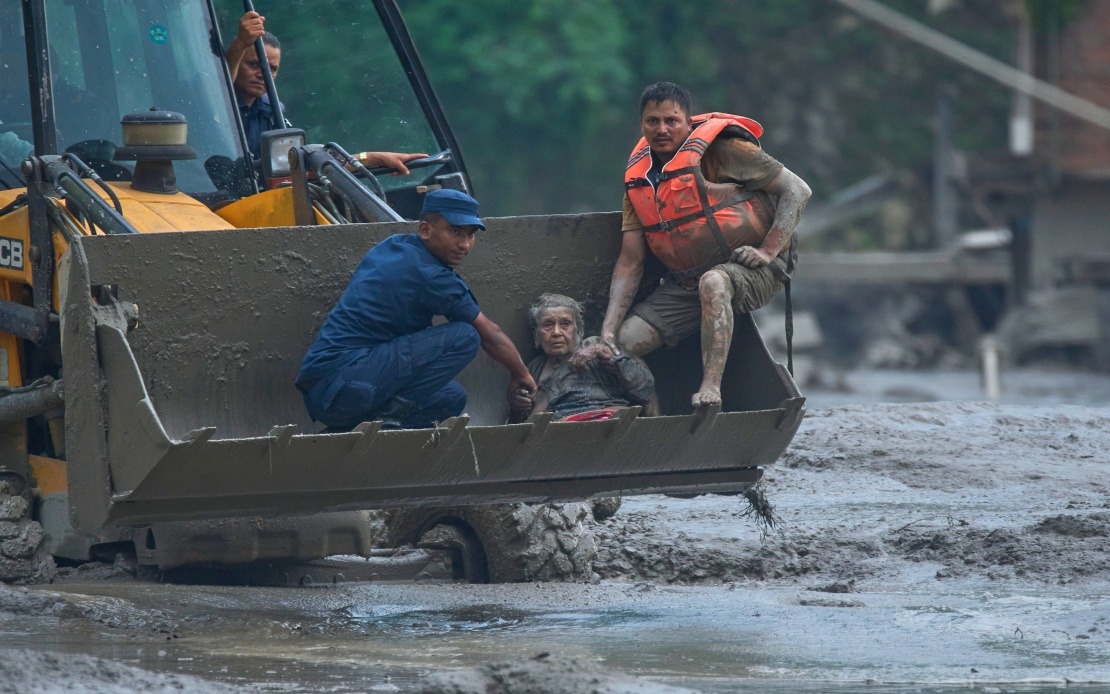
The governments of the United States and Canada have swiftly committed to providing emergency humanitarian assistance to Nepal following one of the country's worst natural disasters in recent years. The commitment came as flash floods and destructive mudslides tore through a mountainous region in the nation's north, triggering an urgent international response amid widespread concern for missing nationals and the scale of destruction wrought across affected communities.
US Secretary of State Marco Rubio issued a formal statement of support through social media, assuring Nepal's government that the State Department stands prepared to coordinate relief efforts and provide the necessary resources to address the immediate crisis. His remarks underscored Washington's commitment to supporting Nepal during this critical period, framing American assistance within a broader expression of solidarity with the Nepali people facing unprecedented hardship. The diplomatic language reflected the gravity with which US officials regard the disaster and the humanitarian imperative driving their response.
Canada's Prime Minister Mark Carney characterised the disaster in similarly forceful terms, describing the situation as "absolutely devastating" and emphasising his government's readiness to contribute support. Carney's public message focused on the human dimension of the tragedy, acknowledging the distress faced by survivors, those grieving lost loved ones, and families awaiting news of missing relatives. This approach highlighted how both Western governments were attuning their responses not merely to infrastructure damage but to the profound personal loss experienced across Nepal.
The human toll of the flooding has proven substantial and deeply tragic. According to Nepalese authorities, at least 47 American citizens are among those unaccounted for, whilst a further 24 Canadian nationals remain missing in the aftermath of the disaster. These figures are particularly significant given that both countries maintain substantial populations of expatriates and travellers in Nepal, which serves as a major destination for mountaineering expeditions, trekking adventures, and cultural tourism. However, neither the US government nor Canadian officials have independently verified these numbers, suggesting that accurate accounting remains ongoing as rescue and recovery operations continue throughout the affected region.
The overall scale of the catastrophe extends far beyond the missing Western nationals. Nepalese officials have confirmed that the floods and associated mudslides have claimed the lives of at least 160 people, with more than 680 individuals still unaccounted for across the disaster zone. These figures suggest a crisis of immense proportions, with many communities in remote mountainous areas potentially experiencing communication blackouts that delay reporting of casualties and missing persons. The true human cost may only become apparent as search and recovery operations expand and information flows from isolated settlements.
The physical infrastructure damage reflects the violent force unleashed by the flooding. Thirteen hydroelectric power stations have been destroyed or severely damaged, representing a significant blow to Nepal's energy generation capacity at a moment when repair and reconstruction efforts will place enormous demands on available electricity. The disaster also swept away approximately 40 kilometres of roads, isolating communities and hampering relief efforts. The loss of 200 trucks and 19 bridges compounds these challenges, as the destruction of transportation infrastructure creates bottlenecks that will slow the delivery of aid, rescue personnel, and reconstruction materials to affected areas for months to come.
For Malaysia and other Southeast Asian nations, this disaster carries important implications regarding regional preparedness and cross-border cooperation in managing natural disasters. Nepal's experience demonstrates how flash flooding and landslides—phenomena that also affect mountainous regions across Southeast Asia, particularly during monsoon seasons—can overwhelm national capacity and necessitate rapid international support. The swift response from the US and Canada illustrates how major powers maintain mechanisms for emergency coordination, a model that Southeast Asian countries continue to refine through ASEAN frameworks and bilateral arrangements.
The disaster also underscores the vulnerabilities faced by countries with extensive tourism industries, where large numbers of foreign nationals may find themselves caught in rapidly deteriorating conditions with limited warning. Nepal's importance as a trekking and mountaineering destination means that many victims are likely travellers undertaking expeditions in high-altitude regions when the flooding occurred. This reality has prompted international governments to activate their own emergency response protocols, including consular assistance programmes and coordination with Nepalese authorities to identify and evacuate their nationals.
The international dimension of this crisis extends beyond diplomatic expressions of sympathy to practical questions of resource allocation, technical expertise, and logistical coordination. The US and Canadian governments will likely deploy specialists in disaster assessment, search and rescue operations, and emergency medicine, alongside financial contributions to support Nepal's own relief agencies. Such interventions require navigating complex coordination between international partners, local authorities, and established humanitarian organisations already present in Nepal.
Looking forward, the reconstruction phase will test international commitment over months and years, not merely days. The destruction of energy infrastructure, roads, and bridges represents a massive development setback for a country already facing significant economic constraints. International partners will need to balance emergency relief with longer-term development assistance aimed at building back better and enhancing resilience to future natural disasters. For Nepal, engaging effectively with these international partners whilst maintaining ownership of its own recovery process will be crucial to ensuring that reconstruction efforts serve the genuine needs of affected communities.

