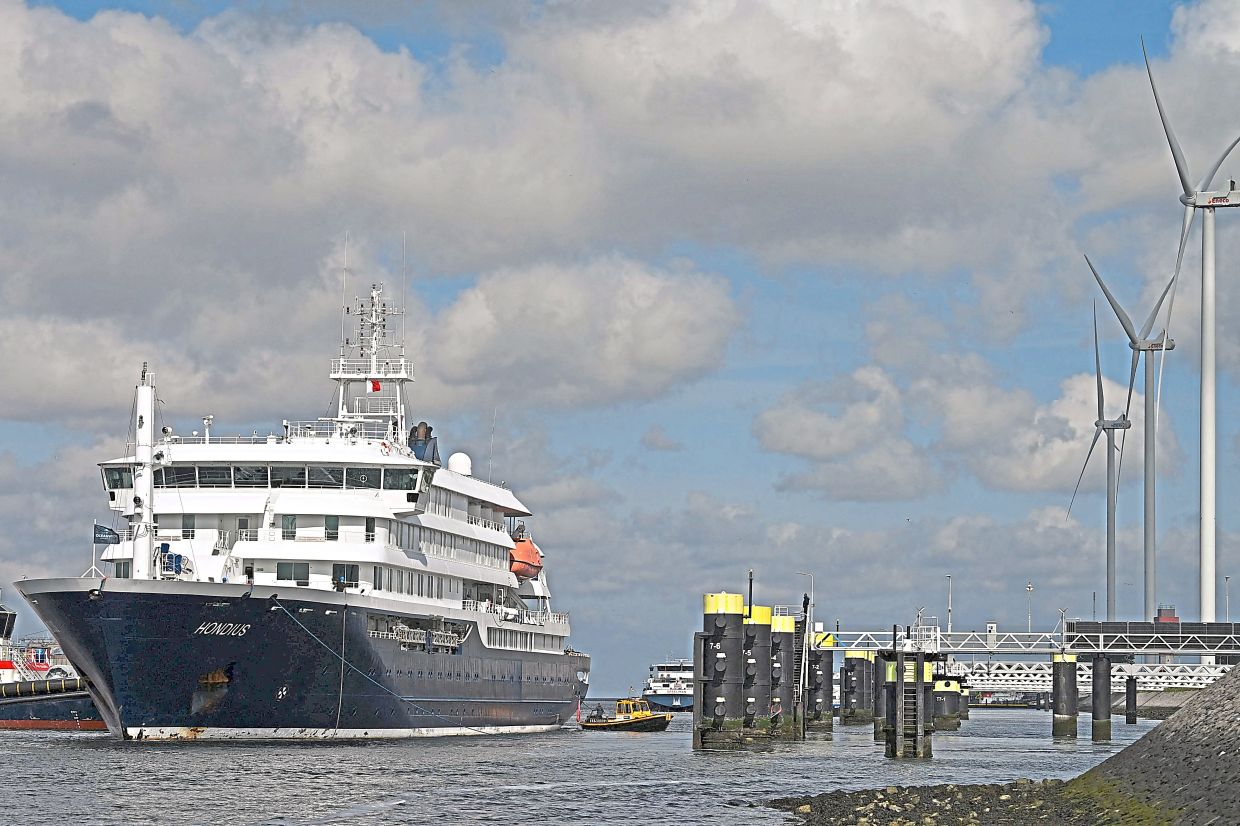
The World Health Organization formally declared an end to the hantavirus outbreak connected to the polar exploration vessel MV Hondius on July 2, 2026, after the final person under quarantine completed their isolation period with a negative test result and returned home. The declaration marks a turning point in a public health episode that triggered widespread international concern and prompted coordinated responses across dozens of nations. WHO Director-General Tedros Adhanom Ghebreyesus confirmed the milestone at a press conference, noting that the outbreak, which had claimed three lives and infected at least 12 confirmed cases with one probable infection, had effectively come to a close with no new cases reported since May 25, 2026.
The Dutch-flagged MV Hondius had embarked on its fateful voyage on April 1, 2026, from Ushuaia in Argentina's Tierra del Fuego region, charting a course through some of the world's most isolated territories in the South Atlantic Ocean. The itinerary included stops at remote island communities, notably Tristan da Cunha, one of the most isolated inhabited archipelagos on Earth, before the vessel proceeded northward toward the Canary Islands. When the outbreak became apparent, health authorities made the decision to divert remaining passengers and crew to Tenerife in Spain's Canary Islands for evacuation, and the ship was eventually quarantined and sanitized in Rotterdam harbour in the Netherlands on May 18, 2026.
The scale of the epidemiological response was unprecedented for an outbreak of this type. Health authorities across 33 countries and territories worked in concert to identify and monitor over 650 individuals who had been in contact with confirmed or suspected cases. This sprawling international contact tracing operation underscored both the challenges of managing disease spread in an increasingly interconnected world and the capacity of global health systems to mobilize rapidly when circumstances demand. The geographical dispersal of contacts reflected the international composition of passengers and crew aboard the ship, many of whom had returned to their home countries before the full scope of the outbreak became apparent.
Hantavirus remains one of the more concerning emerging pathogens precisely because of its severity and the limitations in medical countermeasures available to combat it. The virus is ordinarily transmitted to humans through contact with infected rodent droppings, urine, or saliva, making it a zoonotic disease typically associated with rural or wilderness settings. However, the Andes species of hantavirus, which was responsible for the MV Hondius outbreak, possesses a particularly troubling characteristic: it is the only known strain capable of spreading directly from one infected human to another. This human-to-human transmission capability elevates the public health risk profile substantially, as it can enable chains of infection beyond the initial animal-to-human jump.
Currently, no approved vaccines exist to prevent hantavirus infection, and no specific antiviral treatments have been proven effective against the disease. This therapeutic void means that management of confirmed cases relies on supportive care and symptomatic treatment while patients' immune systems work to clear the infection. The mortality rate associated with hantavirus pulmonary syndrome, the most common presentation in the Americas, ranges from 35 to 50 percent, making even a small cluster of cases a serious public health emergency. The three deaths linked to the MV Hondius outbreak, therefore, represent a significant toll for a disease that many medical professionals outside specialized infectious disease fields may have limited experience managing.
Despite the declaration that the outbreak itself has concluded, the scientific and public health community recognizes that their work has only just begun. WHO officials have emphasized that understanding the dynamics of this particular outbreak and the virus itself remains a priority for preventing and controlling future incidents. The organization has initiated a comprehensive multinational research study spanning 21 countries designed to elucidate how hantavirus infection develops in humans, from initial exposure through disease progression and recovery or fatal outcomes. This coordinated investigation will generate crucial data on the pathogenesis of the infection.
The findings emerging from these international collaborative studies are expected to accelerate the development of diagnostic tools that can identify hantavirus infections more rapidly and accurately. Current diagnostic capabilities often rely on detecting antibodies that take time to develop, potentially delaying treatment decisions in acute cases. Improved point-of-care diagnostics could prove invaluable in remote settings like Tristan da Cunha, where advanced laboratory infrastructure is limited. Similarly, the research efforts aim to identify candidate therapeutic compounds that might reduce disease severity or improve survival rates, and to identify promising vaccine platforms that could eventually provide prophylactic protection against hantavirus infection.
For Malaysia and other Southeast Asian nations, the MV Hondius outbreak carries several implications. First, the incident demonstrates the capacity of infectious diseases to spread rapidly through international travel networks, a particularly salient concern for a region that serves as a major transit hub for tourism and commerce. Second, the outbreak underscores the importance of maintaining robust disease surveillance and reporting systems capable of detecting unusual clusters of illness among travelers. Third, the response demonstrates that pandemic preparedness investments made over recent years have created the institutional frameworks and relationships necessary for rapid international coordination. The networks of experts and communication channels that enabled the global response to the MV Hondius situation represent valuable public health infrastructure built on lessons learned from previous outbreaks.
The specific context of the MV Hondius outbreak also highlights the particular vulnerabilities of polar and remote expedition tourism. As travel to increasingly remote destinations becomes more accessible and popular, the opportunities for humans to encounter novel pathogens or to amplify transmission of known zoonotic diseases increase. The isolated communities visited by the ship, while economically dependent on tourism, face outsized risks when infectious disease enters their populations. Small, geographically isolated populations with limited healthcare infrastructure and high rates of comorbid conditions may experience disproportionate morbidity and mortality when exposed to serious pathogens. Balancing the economic benefits of tourism with public health protection remains a persistent challenge for communities like Tristan da Cunha.
Looking forward, the formal closure of the MV Hondius hantavirus outbreak represents not an endpoint but a transition to the next phase of the public health response. While immediate containment operations have concluded and quarantine measures have been lifted, the scientific investigation into the outbreak's origins, transmission patterns, and clinical presentation will continue. Researchers are likely pursuing questions about which specific rodent populations aboard or near the ship carried the virus, how the initial human infections occurred, and why certain individuals developed severe or fatal disease while others recovered. These inquiries may take months or years to complete fully, but they will yield insights that inform preparedness for future hantavirus events and potentially other zoonotic disease threats.

