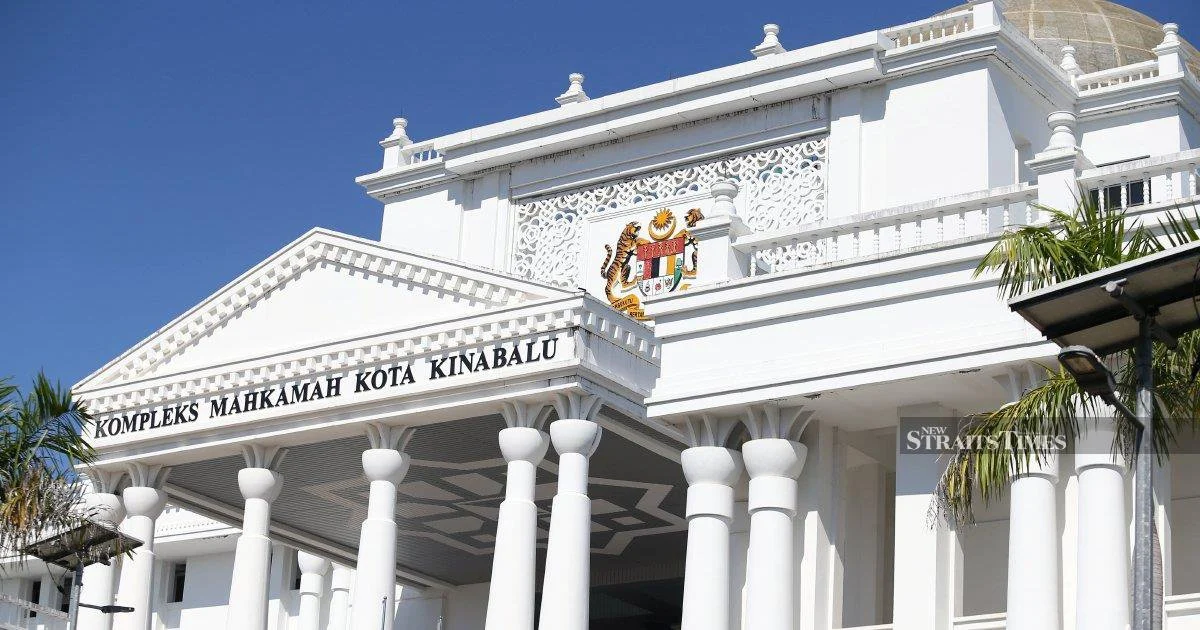
The proceedings in Kota Kinabalu concerning the death of 13-year-old Zara Qairina Mahathir entered a new phase this week as a document examination specialist took the witness stand as the 74th person to provide testimony. Her appearance underscores the complexity of forensic evidence at the centre of the high-profile inquest, which has drawn sustained public attention since the teenager's death and the subsequent legal proceedings that followed.
During cross-examination, the witness disclosed that she was unable to provide contradictory opinions regarding the analysis and conclusions reached by a fellow document expert. This positioning reflects a significant limitation in the competing expert evidence the court has heard, as different specialists examined the same materials and reached their respective assessments. The reluctance or inability to dispute a peer's findings raises questions about the foundation upon which such expert opinions rest and whether alternative interpretations of the documentary evidence are genuinely impossible or merely impractical from a professional standpoint.
The inquest mechanism in Malaysia serves as a critical investigative tool in cases involving unexplained or disputed deaths. In high-profile cases such as this one, the inquest provides a structured forum for examining all available evidence and determining the probable cause of death. The involvement of document experts suggests that written evidence—potentially including notes, correspondence, or other materials—forms a substantial part of the court's investigation into the circumstances surrounding Zara Qairina Mahathir's death.
Document examination as a forensic discipline operates within specific technical parameters and established protocols. When experts analyse handwriting, signatures, alterations, or the authenticity of documents, they typically apply recognised methodologies developed over decades of practice and refinement. The inability of one expert to contradict another's findings may reflect genuine consensus within the field, or it may indicate professional courtesy and deference to a colleague's specialised work. Courts must weigh these nuances carefully when determining what weight to assign to competing or overlapping expert testimony.
For Malaysian observers following this inquest, the testimony highlights ongoing questions about how the legal system processes complex technical evidence in death investigations. The length of the inquest—indicated by the presence of a 74th witness—suggests that investigators and the court are pursuing a thorough examination of every potential lead and line of inquiry. This methodical approach, while sometimes protracted, aims to establish a clear factual foundation for determining how the teenager came to die.
The circumstances surrounding Zara Qairina Mahathir's death captured significant media attention and public concern, partly because of her family background and the initial uncertainty surrounding what happened. As the inquest progressed, witnesses from various fields have provided evidence, including those with specialised expertise in forensic disciplines. Document experts join pathologists, investigators, and other professionals whose collective testimony builds the complete picture the court requires.
The expert's statement that she could not contradict another specialist's conclusions may actually serve the interests of justice by narrowing the field of factual dispute. If two independent experts examined the same documentary evidence and reached consistent findings, this convergence strengthens the reliability of those conclusions. Conversely, if the inability to contradict stems from professional limitations or courtesy, the court will need to test whether alternative interpretations of the evidence remain plausible and should be explored through other questioning.
Regional observers familiar with inquest procedures will recognise this phase as typical of drawn-out death investigations involving technical evidence. Several Southeast Asian countries employ similar inquest systems, and the involvement of multiple expert witnesses reflects international best practice in ensuring that all scientific and forensic dimensions of a case receive proper examination before conclusions are reached.
The inquest into Zara Qairina Mahathir's death remains ongoing, with additional witnesses expected to testify in the coming weeks. Each statement, document examination report, and expert analysis contributes to the comprehensive record the court is building. Whether the documentary evidence ultimately proves decisive in establishing the cause of death, or whether other testimonies and physical evidence carry greater weight, will become clearer as the inquest approaches its conclusion. The court's task is to weigh all evidence impartially and determine the most likely circumstances surrounding the teenager's death based on the totality of what has been presented.

