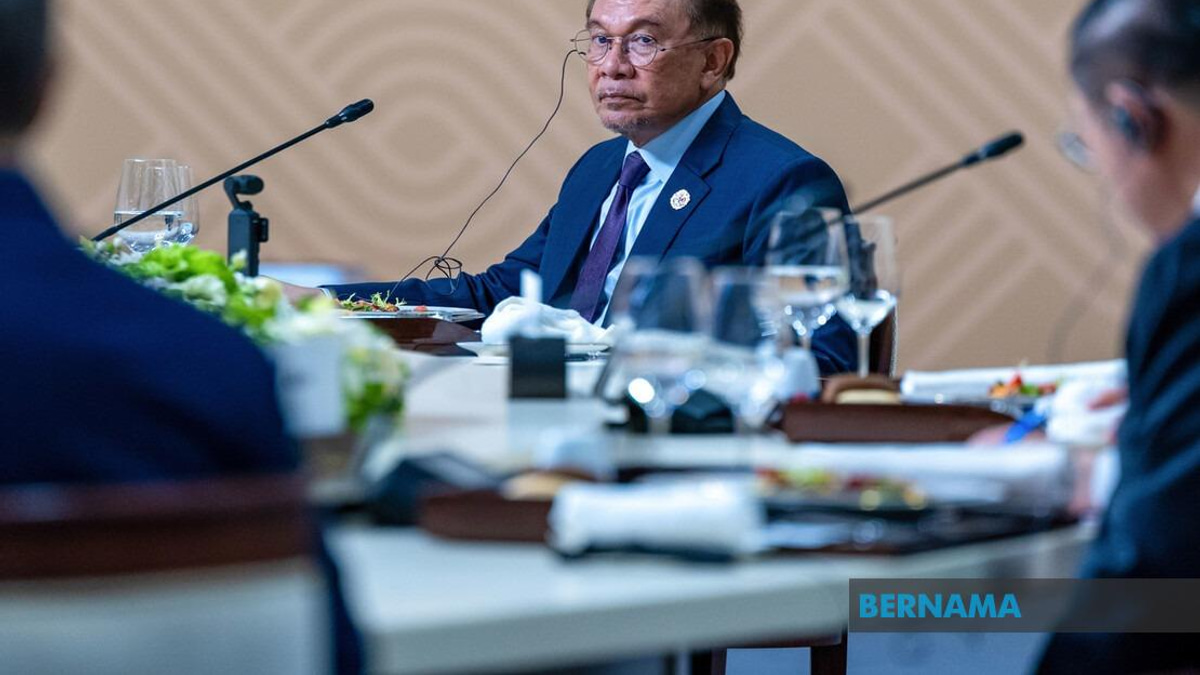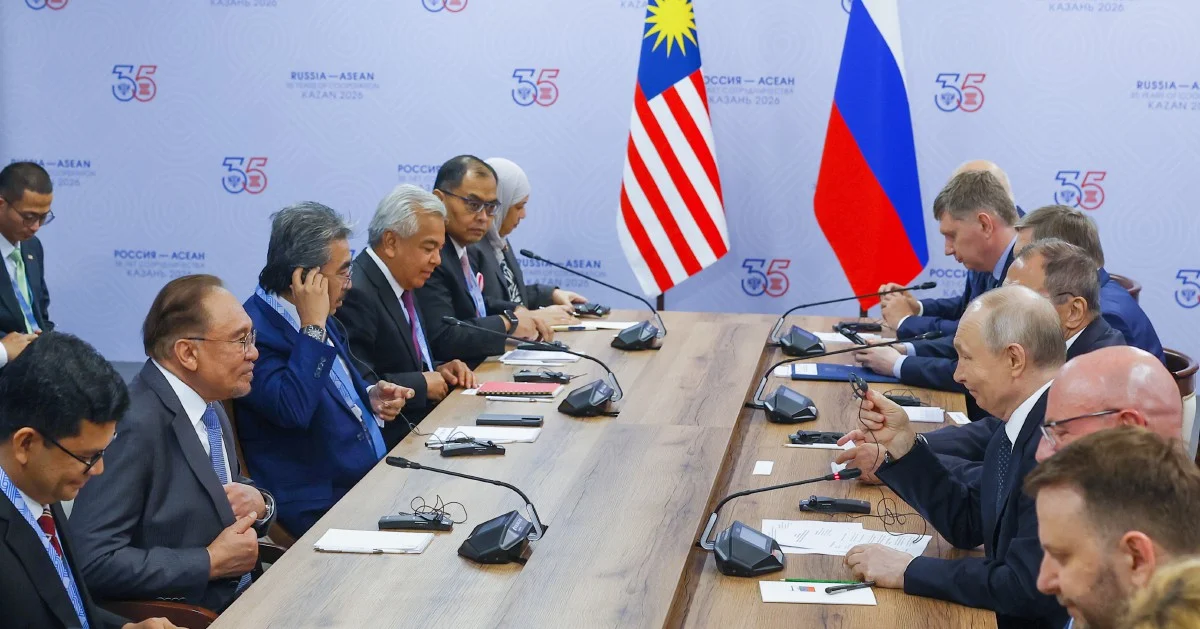
Prime Minister Datuk Seri Anwar Ibrahim has publicly acknowledged Russian President Vladimir Putin's backing for strengthened energy partnerships between Malaysia and the national petroleum company Petroliam Nasional Bhd, or Petronas, during what appears to be a significant diplomatic engagement that underscores Kuala Lumpur's expanding strategic relationships beyond traditional Western alignments. The expression of gratitude points to Moscow's willingness to facilitate access to Russian energy resources and expertise, a development that carries implications for Malaysia's long-term energy security and economic diversification strategies.
This recognition comes at a moment when Southeast Asian nations, including Malaysia, are actively reassessing their energy portfolios and international partnerships in response to global energy transitions and geopolitical realignments. The Malaysian government has long positioned Petronas not merely as a state-owned enterprise but as a crucial instrument of foreign policy and economic development, capable of securing energy supplies and generating substantial revenues for the national budget. By highlighting Russian support, Anwar signals that Malaysia views cooperation with Moscow as complementary to its existing energy arrangements rather than competitive or exclusionary.
Malaysia's energy sector faces mounting pressures from declining domestic oil and gas reserves, a reality that has pushed policymakers to pursue partnerships with major resource-rich nations. Petronas, as the custodian of these national interests, has historically engaged in complex negotiations with producers across the Middle East, Central Asia, and the Asia-Pacific region. The explicit mention of Putin's backing suggests that discussions have progressed beyond preliminary stages and may involve concrete mechanisms for collaboration, whether through joint ventures, supply agreements, or technology transfers that could enhance Malaysia's downstream capabilities.
The timing of this public acknowledgement reflects broader shifts in Malaysian foreign policy under the current administration. Rather than maintaining purely transactional relationships with energy suppliers, Anwar's government appears keen to cultivate deeper strategic partnerships that extend beyond simple commercial exchanges. Russia, despite international sanctions and geopolitical isolation following its actions in Ukraine, remains a significant player in global energy markets and possesses technological expertise that developing nations find valuable. Malaysia's diplomatic posture of maintaining pragmatic engagement with diverse partners—exemplified by such statements—demonstrates the country's commitment to a multi-aligned foreign policy.
For Petronas specifically, Russian cooperation opens avenues in liquefied natural gas production, advanced oil extraction technologies, and potentially new exploration opportunities in regions where Russian expertise is unmatched. The company has a track record of working across political boundaries, and deepening Russian ties could provide competitive advantages in securing reliable energy sources amid global supply chain disruptions. This is particularly relevant given Southeast Asia's vulnerabilities to energy shocks and the region's growing demand for reliable hydrocarbon supplies to fuel industrial and economic growth.
From Malaysia's regional perspective, closer energy cooperation with Russia can serve as leverage in negotiations with other suppliers and demonstrate that Kuala Lumpur possesses alternatives beyond traditional partners. This expanded diplomatic toolkit becomes valuable when navigating competing interests from the United States, China, and other regional powers in the South China Sea and beyond. Energy security thus intersects directly with geopolitical positioning, making Petronas partnerships far more consequential than mere commercial arrangements.
The statement also reflects continuity in how Malaysia manages its relationships with nations regardless of international controversies or sanctions regimes. Malaysia has historically resisted pressure to take strong public stances on international disputes, preferring instead to engage pragmatically with all parties. By expressing appreciation for Russian support without entering broader geopolitical debates, Anwar maintains this balancing act while prioritizing national economic interests.
International observers will likely scrutinize the concrete outcomes of this partnership, including whether discussions have produced binding agreements or significant investment commitments. The energy sector operates on long-term planning cycles, and major collaborations between national oil companies typically require years to transition from political support to operational reality. However, the public recognition from Malaysia's Prime Minister signals sufficient progress and commitment to warrant diplomatic acknowledgement, suggesting that substantive negotiations are underway.
For Southeast Asia more broadly, Malaysia's engagement with Russia on energy matters exemplifies how regional states continue pursuing economic cooperation despite geopolitical tensions affecting other parts of the world. The bloc's reliance on energy imports and desire for stable supply chains means that nations like Malaysia will likely maintain practical relationships with multiple sources regardless of Western pressure to restrict engagement. This pragmatism reflects both the realities of development economics and the region's historical preference for non-alignment.
The broader implications extend to how Malaysia positions itself within ASEAN and its relationships with major powers. By demonstrating successful energy diplomacy with Russia, Malaysia can leverage these accomplishments in discussions with other partners while reinforcing its status as a serious player in regional geopolitical and economic arrangements. Petronas, as the executor of these partnerships, gains enhanced standing as an institution capable of advancing national strategic objectives while generating commercial returns.
Looking forward, observers should monitor announcements regarding specific Petronas projects involving Russian counterparts, whether in liquefied natural gas ventures, upstream exploration, or technology collaboration. The substance of cooperation will ultimately determine whether Anwar's expression of appreciation translates into meaningful long-term benefits for Malaysia's energy security and Petronas' competitive position in regional and global markets.