%22%2F%3E%3C%2Fpattern%3E%3C%2Fdefs%3E%3Crect%20width%3D%22100%25%22%20height%3D%22100%25%22%20fill%3D%22url(%23ph2ulugg)%22%2F%3E%3Crect%20width%3D%22100%25%22%20height%3D%22100%25%22%20fill%3D%22url(%23ph2ulugp)%22%2F%3E%3Ctext%20x%3D%2250%25%22%20y%3D%2250%25%22%20text-anchor%3D%22middle%22%20dominant-baseline%3D%22central%22%20fill%3D%22rgba(255%2C255%2C255%2C0.95)%22%20font-family%3D%22Georgia%2C%20'Times%20New%20Roman'%2C%20serif%22%20font-weight%3D%22700%22%20font-size%3D%22272%22%20letter-spacing%3D%22-0.02em%22%3EAnwar%3C%2Ftext%3E%3C%2Fsvg%3E)
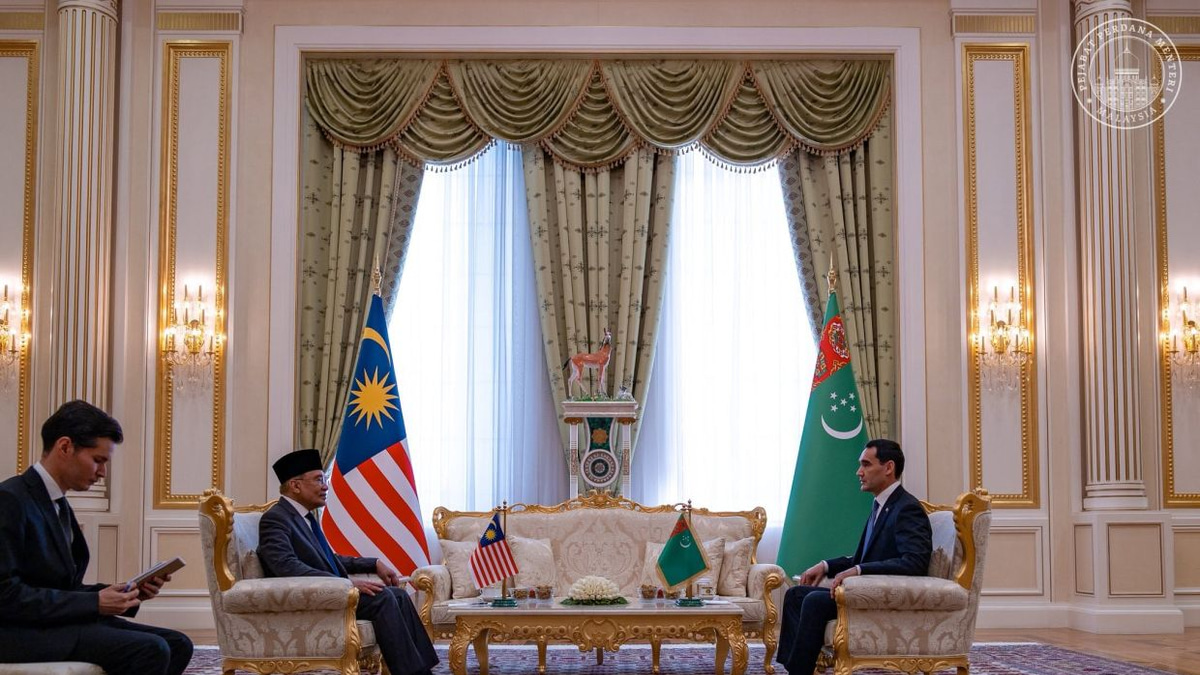
Prime Minister Datuk Seri Anwar Ibrahim has publicly acknowledged the stances taken by Russia and China regarding developments in Gaza and the broader regional security situation involving Iran, reflecting Malaysia's careful navigation of international relations with major geopolitical players.
Anwar's remarks underscore the delicate balancing act that Malaysia maintains as a developing nation seeking to preserve relationships with influential global actors while managing its own foreign policy interests. By recognising statements from Vladimir Putin and Xi Jinping on these sensitive geopolitical matters, the Prime Minister has signalled that Kuala Lumpur values Moscow and Beijing's engagement with issues affecting global stability and developing nations' interests.
The Malaysian leader's comments arrive at a juncture when tensions across multiple theatres—from the Middle East to East Asia—have intensified scrutiny of how regional powers and medium-sized nations position themselves diplomatically. Malaysia, as a prominent Southeast Asian economy with significant Muslim and Arab communities, has particular stakes in developments affecting Palestinian territories and broader Middle Eastern stability.
Russia and China's statements on the Gaza conflict have positioned both nations as counterweights to what they characterise as Western-centric approaches to regional conflicts. By commending their positions, Anwar reflects a growing perspective among non-aligned nations that major powers beyond the Western sphere should have meaningful voices in international crisis management. This approach aligns with Malaysia's historical policy of engaging with diverse global partners rather than adhering exclusively to any single bloc.
The Iran dimension adds additional complexity to Anwar's remarks. Tensions involving Iran affect Southeast Asia's security architecture, trade routes, and energy supplies—factors with direct implications for Malaysian economic interests. Russian and Chinese positions on de-escalation around Iran consequently matter to Kuala Lumpur's own strategic calculations, particularly as Malaysian shipping and petroleum sectors depend on stable Middle Eastern conditions.
Anwar's public acknowledgement of Putin and Xi's statements serves multiple diplomatic purposes simultaneously. Domestically, it demonstrates to Malaysia's Muslim and Arab populations that their government is attentive to their concerns about international justice and Middle Eastern affairs. Internationally, it signals to Moscow and Beijing that their engagement with these issues is noticed and appreciated by non-Western governments seeking alternative diplomatic channels.
Malaysia's position reflects broader patterns among Southeast Asian nations attempting to maintain pragmatic relationships across geopolitical divides. Rather than viewing international affairs through zero-sum frameworks, countries like Malaysia increasingly seek to benefit from constructive engagement with multiple centres of power. This approach proves particularly valuable for smaller nations lacking the military or economic heft to impose their preferences unilaterally.
The emphasis on Russian and Chinese condemnations of actions related to Gaza and Iran also carries implications for how Malaysia might approach forthcoming diplomatic initiatives within multilateral forums. As a member of various regional and global bodies, Malaysia can leverage these acknowledged alignments to build coalitions supporting particular resolutions or policy directions aligned with stated concerns about international law and civilian protection.
However, Anwar's remarks must be understood within Malaysia's broader commitment to inclusive diplomacy. While praising Moscow and Beijing's positions, the government simultaneously maintains relationships with Western nations and continues its participation in multilateral frameworks that include diverse powers. This multiplicity reflects Malaysia's actual strategic interests, which benefit from open engagement rather than forced alignment.
The comments also reveal how developing nations assess great power behaviour through lenses different from Western frameworks. Where Western discourse often emphasises democratic governance and human rights as primary criteria, Malaysia and many Southeast Asian peers evaluate international actors based on their practical positions on regional security, respect for non-aligned principles, and support for developing nations' sovereignty.
For Malaysia specifically, strengthening relationships with Russia and China while maintaining critical engagement with Western partners serves long-term national interests across trade, security, and diplomatic influence. Energy security particularly benefits from positive relations with Russia, while economic dynamism increasingly depends on China engagement. Middle Eastern stability, in turn, protects Malaysian shipping lanes and energy supplies.
Anwar's recognition of Putin and Xi's statements represents incremental diplomacy—acknowledging positions without requiring Malaysia to align formally with either power's broader strategic agenda. This selective praise allows Kuala Lumpur to maintain its non-aligned tradition while signalling to major powers that Malaysia appreciates their engagement on issues affecting developing nations and Muslims globally.
%22%2F%3E%3C%2Fpattern%3E%3C%2Fdefs%3E%3Crect%20width%3D%22100%25%22%20height%3D%22100%25%22%20fill%3D%22url(%23ph4p9rmg)%22%2F%3E%3Crect%20width%3D%22100%25%22%20height%3D%22100%25%22%20fill%3D%22url(%23ph4p9rmp)%22%2F%3E%3Ctext%20x%3D%2250%25%22%20y%3D%2250%25%22%20text-anchor%3D%22middle%22%20dominant-baseline%3D%22central%22%20fill%3D%22rgba(255%2C255%2C255%2C0.95)%22%20font-family%3D%22Georgia%2C%20'Times%20New%20Roman'%2C%20serif%22%20font-weight%3D%22700%22%20font-size%3D%22320%22%20letter-spacing%3D%22-0.02em%22%3EKTMB%3C%2Ftext%3E%3C%2Fsvg%3E)