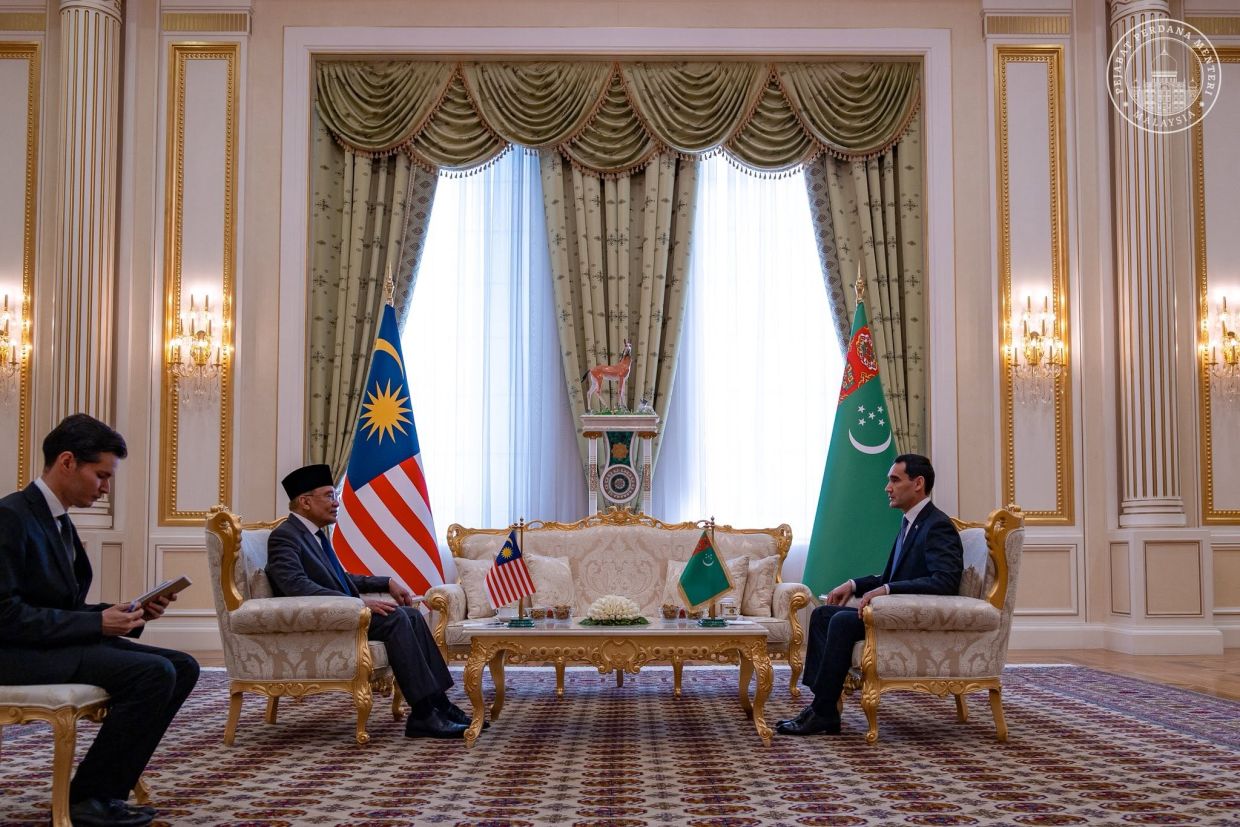
Prime Minister Datuk Seri Anwar Ibrahim and Turkmenistan President Serdar Berdimuhamedov jointly observed the formal signing of a landmark strategic partnership between Petronas and Turkmenistan state authorities during an official visit to Ashgabat, signalling a significant intensification of energy and economic cooperation between the two nations. The accord represents a milestone moment in Malaysia-Turkmenistan relations, building on nearly three decades of established collaboration in the energy sector that has formed a vital pillar of their bilateral engagement.
According to a statement from the Prime Minister's Office, the partnership framework commemorates and builds upon 30 years of continuous cooperation in energy development, a relationship that has consistently strengthened the foundations of Malaysia-Turkmenistan ties. The agreement underscores the depth of institutional trust and shared strategic objectives that have accumulated over this extended period, positioning both countries to pursue more ambitious collaborative ventures moving forward.
The Malaysian government emphasised that this new arrangement transcends traditional commercial arrangements by incorporating broader dimensions of economic partnership. The collaboration specifically aims to facilitate talent exchange, knowledge sharing, and technological transfer mechanisms that will create mutual benefits for both economies. These softer elements of cooperation address a critical need in developing technical expertise within Central Asia's energy sector, while simultaneously expanding opportunities for Malaysian professionals and enterprises to operate in emerging markets.
A particularly significant aspect of the partnership involves exploration opportunities within Turkmenistan's natural gas resources. The Central Asian nation possesses reserves that rank among the world's most substantial, presenting enormous potential for both immediate development projects and longer-term energy infrastructure expansion. For Malaysia, accessing these reserves through Petronas provides a strategic diversification mechanism for energy sourcing beyond traditional suppliers, enhancing national energy security and reducing supply-chain vulnerabilities in an increasingly complex geopolitical environment.
The PMO characterised the partnership as validation of Malaysia's standing and capabilities within global energy markets and strategic industries. This framing reflects a deliberate positioning of Malaysian technical expertise and corporate competitiveness as world-class assets capable of delivering value across diverse geographic and operational contexts. The arrangement thus serves dual purposes: strengthening bilateral ties while simultaneously projecting Malaysian competence to other potential partners across Central Asia and beyond.
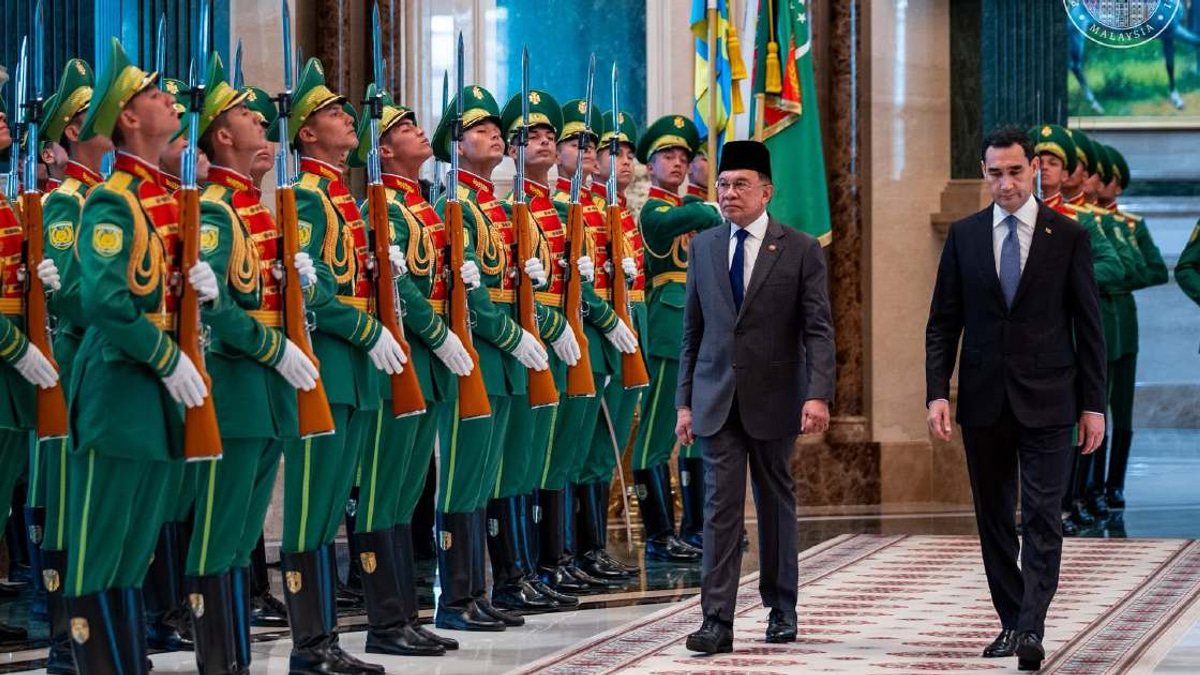
PM Anwar commenced his two-day official visit to Ashgabat following a formal welcome ceremony at the Presidential Palace, where he led Malaysian delegations through comprehensive bilateral discussions with Turkmenistan counterparts. These high-level engagements provided the diplomatic setting necessary for advancing the Petronas partnership framework while exploring additional avenues for economic cooperation and investment collaboration.
Bilateral trade volumes between Malaysia and Turkmenistan reached RM75.80 million in 2025, positioning Turkmenistan as Malaysia's fourth-largest trading partner within the Central Asian region. Malaysian exports to Turkmenistan totalled RM75.50 million during this period, representing a robust 9.0 per cent year-on-year increase that demonstrates strengthening commercial momentum between the economies. This export growth trajectory suggests expanding Malaysian market penetration and rising demand for Malaysian goods and services within Turkmenistan's economy.
Petronas has established itself as a substantial long-term investor in Turkmenistan's energy sector, with cumulative investments reaching RM52.73 billion since initiating operations in 1996. This investment magnitude reflects the company's commitment to developing Turkmenistan's hydrocarbon resources while building operational capabilities within the country's complex energy landscape. The consistency and scale of Petronas investment over nearly three decades demonstrates confidence in Turkmenistan's resource potential and the viability of extractive operations within the region.
The timing of this partnership announcement carries significance within Malaysia's broader Central Asian strategy. As the MADANI government prioritises deepening economic engagement across diverse geographic regions, the Petronas-Turkmenistan accord exemplifies how strategic energy sector initiatives can catalyse wider investment cooperation frameworks. The partnership simultaneously strengthens Malaysia's positioning within global energy markets while providing Turkmenistan with access to advanced technical expertise and investment capital necessary for developing its substantial natural resource endowments.
For regional observers, the arrangement illustrates evolving patterns of Southeast Asian engagement with Central Asian economies. Traditional energy suppliers have historically concentrated investment in Western markets or served Asian demand through established Middle Eastern partnerships. Malaysia's Petronas expanding its Turkmenistan footprint signals growing recognition that Central Asian resources represent viable alternatives for diversifying energy supplies, while Turkmenistan's receptiveness to Malaysian partnership demonstrates openness to developing relationships with non-traditional partners outside Russia and China's traditional spheres of influence.
The agreement also carries implications for Malaysian companies seeking international expansion opportunities. By consolidating Petronas' position within Turkmenistan, the partnership potentially creates secondary opportunities for Malaysian service providers, technology suppliers, and infrastructure specialists to establish regional operations. This ecosystem effect could catalyse broader Malaysian commercial presence across Central Asia, extending beyond Petronas to encompass engineering firms, logistics providers, and financial service companies supporting energy sector development.
Looking forward, the partnership framework establishes institutional mechanisms for addressing shared challenges within energy development, particularly surrounding technological advancement, operational efficiency, and sustainable resource management. As global energy markets transition toward lower-carbon solutions, Malaysian-Turkmenistan cooperation positioned to embrace emerging technologies for natural gas production and delivery could position both nations advantageously within evolving international energy dynamics.