Prime Minister Datuk Seri Anwar Ibrahim has moved to rebut suggestions that his administration disregards the interests of Malaysia's urban poor population, asserting instead that government policies actively protect and advance their fundamental rights and economic prospects.
The Prime Minister's remarks arrive amid ongoing scrutiny of urban housing affordability and development policies in major Malaysian cities. His statement underscores a strategic pivot toward addressing economic inequality and livelihood concerns among lower-income city dwellers, a demographic segment that remains politically and socially significant across Malaysia. By framing the administration's urban agenda around rights protection rather than mere welfare provisions, Anwar appears to be recasting the government's approach to poverty alleviation as a matter of constitutional principle and social justice.
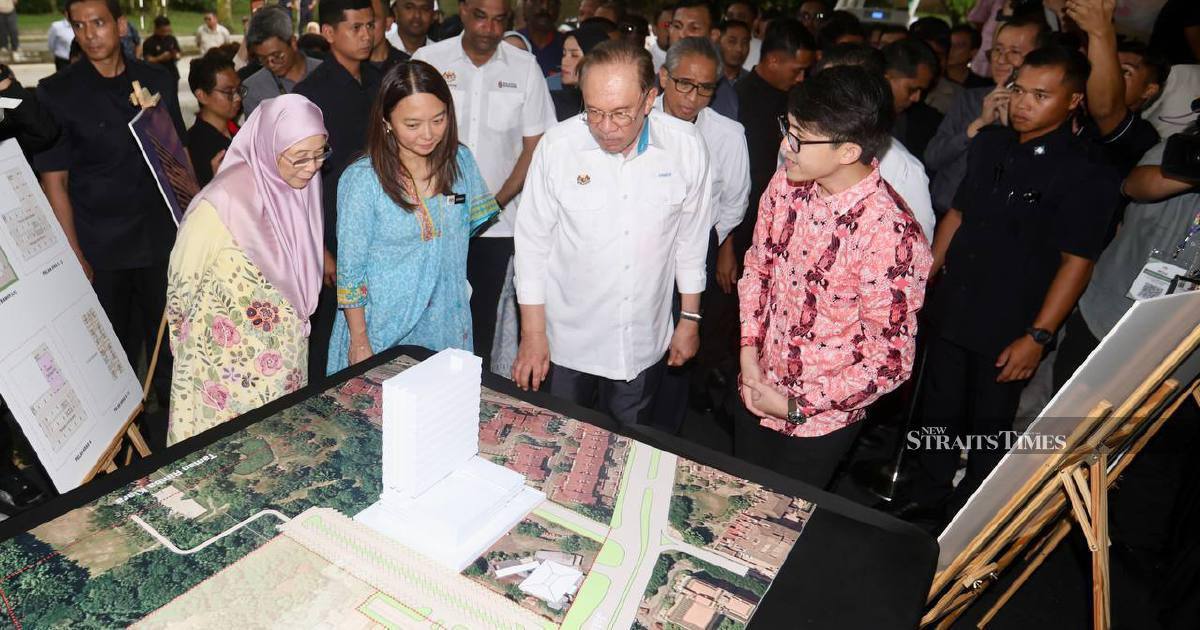
Central to this defence is the Bukit Kiara housing project, which the Prime Minister highlighted as tangible evidence of governmental commitment. The initiative represents an attempt to tackle the persistent challenge of affordable housing in metropolitan areas, where property prices have outpaced wage growth for lower and middle-income earners. By invoking this specific development, Anwar is positioning his government as actively intervening in market mechanisms to ensure that vulnerable urban populations retain access to essential services and assets, particularly housing.
The significance of Anwar's remarks extends beyond rhetorical reassurance. Housing remains one of the most pressing grievances among Malaysian urban workers and young families, with escalating property costs across Kuala Lumpur, Penang, and other metropolitan zones creating barriers to homeownership. The Bukit Kiara project, should it deliver affordable units, would represent a concrete response to this persistent pain point, thereby validating the Prime Minister's claim that the government has not abandoned lower-income Malaysians to market forces alone.
This defensive posture likely reflects internal government awareness of growing anxieties within this demographic cohort. Urban poverty in Malaysia manifests differently than rural poverty—city dwellers contend with higher living costs, transportation expenses, childcare obligations, and housing expenses that collectively strain household budgets. The government's emphasis on housing initiatives therefore addresses one of the most visible and emotionally charged aspects of urban economic hardship, making it a politically salient issue.
Anwar's framing also carries implications for Malaysia's broader development narrative. By insisting that urban poor rights remain central to governance, he is challenging narratives that privilege large-scale infrastructure or commercial development at the expense of inclusive growth. This positioning aligns with increasingly vocal demands from civil society organisations and community groups for development that benefits ordinary Malaysians rather than concentrating wealth among elite investors and corporations.
The reference to rights—rather than merely discussing government assistance or charity—also signals an ideological stance. Treating housing and livelihood as inherent rights rather than privileges dependent on market performance reframes the social contract between government and citizens. This philosophical foundation potentially opens the door to more expansive policy interventions, from rent controls and development subsidies to stricter affordability quotas in new housing projects.
Regionally, Malaysia's approach to urban poverty carries significance for other Southeast Asian nations grappling with rapid urbanisation and housing affordability crises. Countries like Thailand, Vietnam, and Indonesia face similar demographic pressures and housing shortages in metropolitan areas. Should Malaysia's Bukit Kiara model prove successful, it could offer a template for addressing urbanism-induced poverty, particularly in how governments can harness development projects to serve lower-income populations rather than exacerbate inequality.
However, the efficacy of such claims ultimately depends on execution. The true test of Anwar's assertion lies not in the announcement of initiatives but in their completion, affordability, quality, and accessibility to intended beneficiaries. Past Malaysian urban housing projects have faced criticism regarding construction delays, affordability creep, and geographical placement that limited utility for the poorest segments, outcomes that damaged government credibility on similar promises. This context makes careful monitoring of the Bukit Kiara project essential to validating the Prime Minister's broader claims about protecting urban poor rights.
Anwar's statement also reflects diplomatic awareness of how government legitimacy depends on demonstrating tangible improvement in citizens' daily lives. As Malaysia navigates post-pandemic economic recovery and manages rising living costs, political stability increasingly hinges on whether ordinary Malaysians perceive government responsiveness to their material needs. By vocally defending the rights and prospects of urban poor populations and pointing to specific projects as proof, the administration signals that it recognises this imperative and intends to address it through concrete action rather than empty rhetoric. The coming months will reveal whether this commitment translates into meaningful change for those struggling within Malaysia's urban centres.