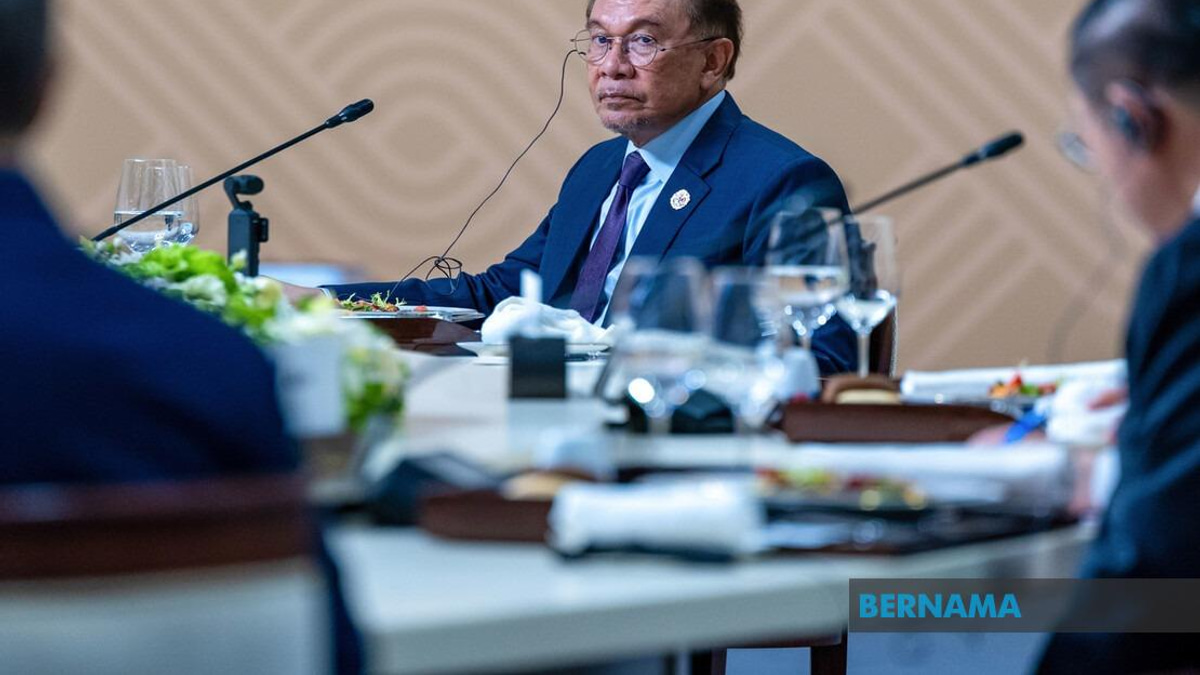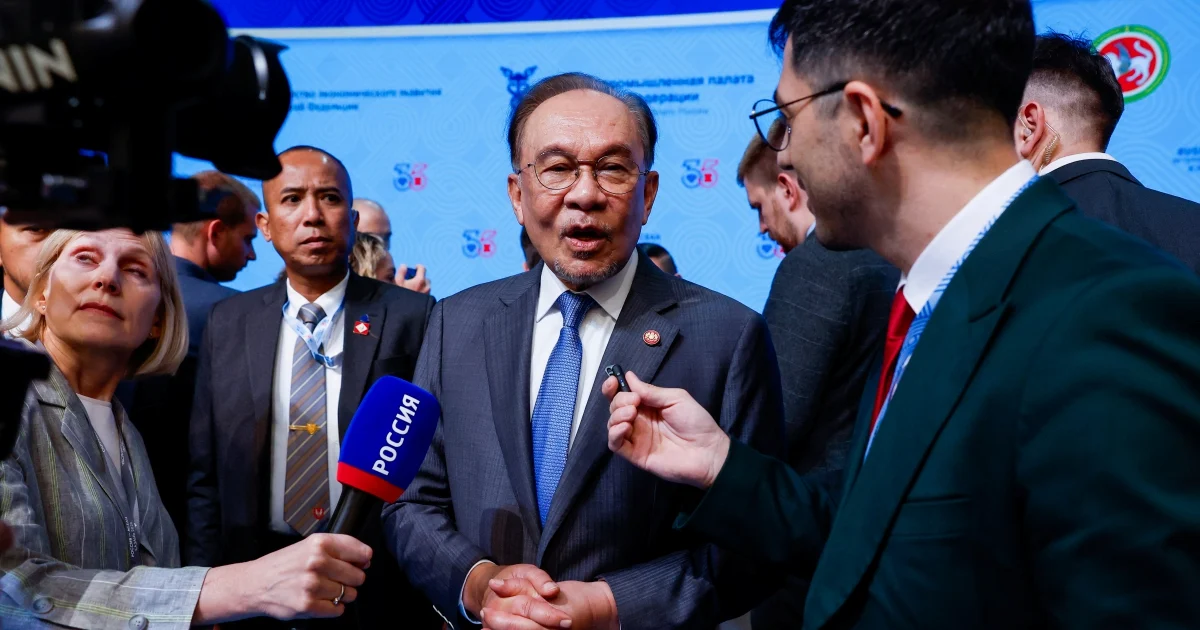
During a visit to Kazan, Prime Minister Datuk Seri Anwar Ibrahim has articulated a vision of bilateral engagement that extends well beyond conventional trade and investment frameworks. His remarks about the appeal of Russian musical compositions and written works represent more than casual cultural observation—they signal a deliberate diplomatic approach that positions cultural affinity as a foundational element of sustained international partnership. This perspective aligns with Malaysia's broader regional strategy of building multifaceted relationships across diverse geographies and civilisational contexts.
The Prime Minister's acknowledgment of Russian artistic traditions reflects a growing recognition among Southeast Asian leaders that soft power and cultural resonance often precede and facilitate deeper economic integration. Shared appreciation for literature, music, and the arts creates informal channels of understanding that complement official state-to-state negotiations. For Malaysia, a nation with its own rich multicultural heritage, this stance reinforces the principle that different societies can find common ground through creative expression and intellectual exchange, regardless of geographical distance or historical divergence.
Russia's cultural output has long exerted significant influence across various global audiences, and Malaysia is no exception. Russian literature in particular—with its philosophical depth and exploration of human complexity—has resonated with educated classes worldwide. Anwar Ibrahim's explicit endorsement of these cultural traditions carries symbolic weight, suggesting that Malaysia's engagement with Russia is not transactional but rooted in genuine appreciation for the civilisational contributions each nation can offer. This framing is especially pertinent in an era when great power competition often reduces international relations to zero-sum economic or security calculations.
The distinction Anwar draws between cultural and economic cooperation deserves careful examination. While trade, investment, and commercial partnerships remain essential metrics of bilateral relations, the Prime Minister's comments suggest that these material dimensions alone are insufficient for building relationships that endure beyond shifting market conditions or geopolitical fluctuations. Cultural exchanges—whether through visiting orchestras, literary translations, film festivals, or academic collaborations—create lasting human connections that transcend governmental cycles and bureaucratic changes. These bridges of understanding prove particularly valuable during periods of international tension or disagreement.
For Malaysia specifically, the emphasis on cultural diplomacy offers practical advantages. The country positions itself as a bridge nation in Southeast Asia, historically comfortable engaging with diverse powers from West and East. Demonstrating genuine intellectual and artistic curiosity about Russia's contributions to global culture enhances Malaysia's credibility as a nation that engages substantively with partners, rather than merely extracting economic advantage. This approach aligns with Malaysia's foreign policy framework of maintaining strategic autonomy while building relationships across multiple civilisational spheres.
The timing of Anwar Ibrahim's remarks from Kazan carries additional significance. Russia has increasingly sought to strengthen ties with Southeast Asian nations as traditional Western relationships face strain. By highlighting cultural affinity alongside economic cooperation, Malaysia signals openness to deeper engagement while maintaining the principled neutrality that has served the nation well. This stance allows Malaysia to benefit from expanding trade opportunities and investment partnerships without compromising its position as a non-aligned voice in regional forums.
Russian cultural products have found varied receptors across Southeast Asia, though often less visibly than American or Chinese influences. Literature, classical music, and ballet traditions represent sophisticated artistic achievements that appeal to particular intellectual demographics. Anwar Ibrahim's public endorsement of these forms may subtly encourage broader appreciation and exposure within Malaysian society, potentially opening new avenues for cultural institutions and educational exchanges. Universities, libraries, and cultural organisations might expand programming around Russian writers, composers, and artistic movements.
The Prime Minister's comments also implicitly address concerns some observers might harbour about Malaysia's expanding ties with Russia. By emphasising the universality of artistic expression and the value of cross-cultural learning, Anwar frames engagement with Russia as rooted in humanistic principles rather than narrow strategic calculations. This rhetorical positioning proves important in a region where societies remain sensitive to accusations of compromising values or principles for material gain. Cultural exchange, by contrast, appears neutral and mutually enriching.
Looking forward, Malaysia has opportunities to institutionalise this cultural emphasis through expanded artist residencies, translation programmes, and academic partnerships. Such initiatives could deepen people-to-people connections while generating goodwill that translates into more stable long-term diplomatic relationships. Russian institutions similarly benefit from exposure to Southeast Asian perspectives and artistic traditions, creating mutual enrichment rather than one-directional cultural flows.
Anwar Ibrahim's remarks ultimately reflect a mature understanding of international relations that recognises the limits of purely economic frameworks. In an increasingly fractious world, shared appreciation for human creativity and intellectual achievement offers rare common ground. For Malaysia, this approach—combining genuine cultural interest with strategic engagement—provides a template for conducting relations that prove resilient beyond the inevitable fluctuations of commerce and geopolitics. The universal language of art and literature transcends the temporary alignments that dominate headlines, suggesting that investments in cultural diplomacy yield dividends measured across generations rather than quarterly reports.