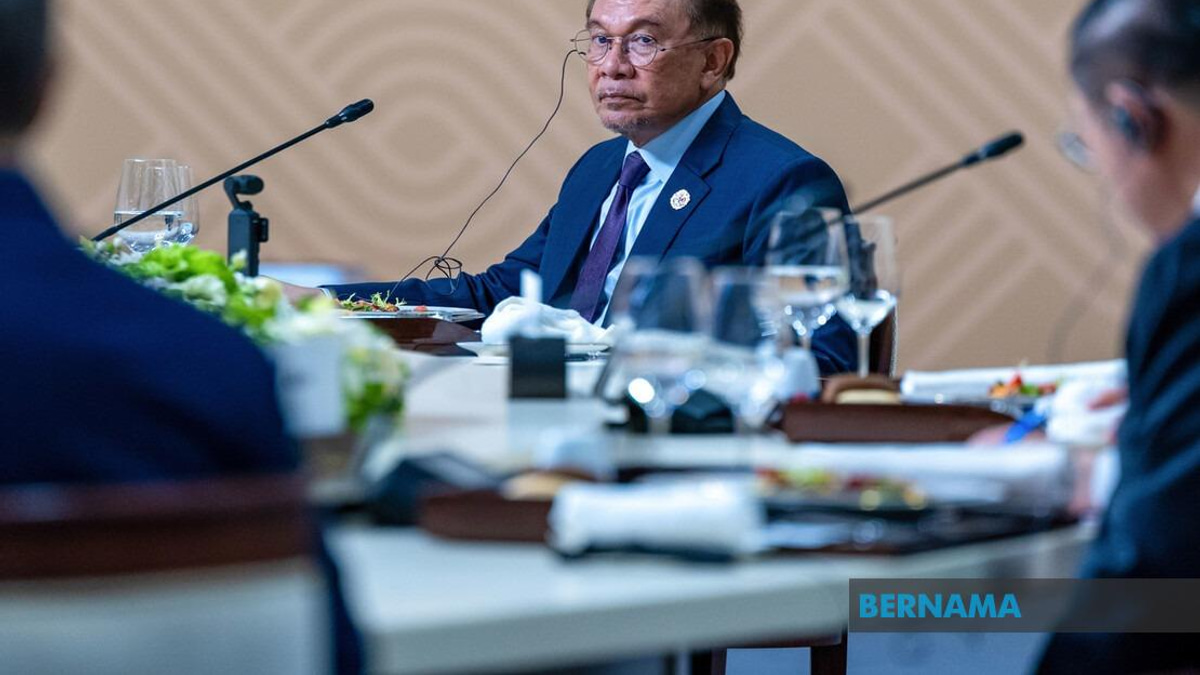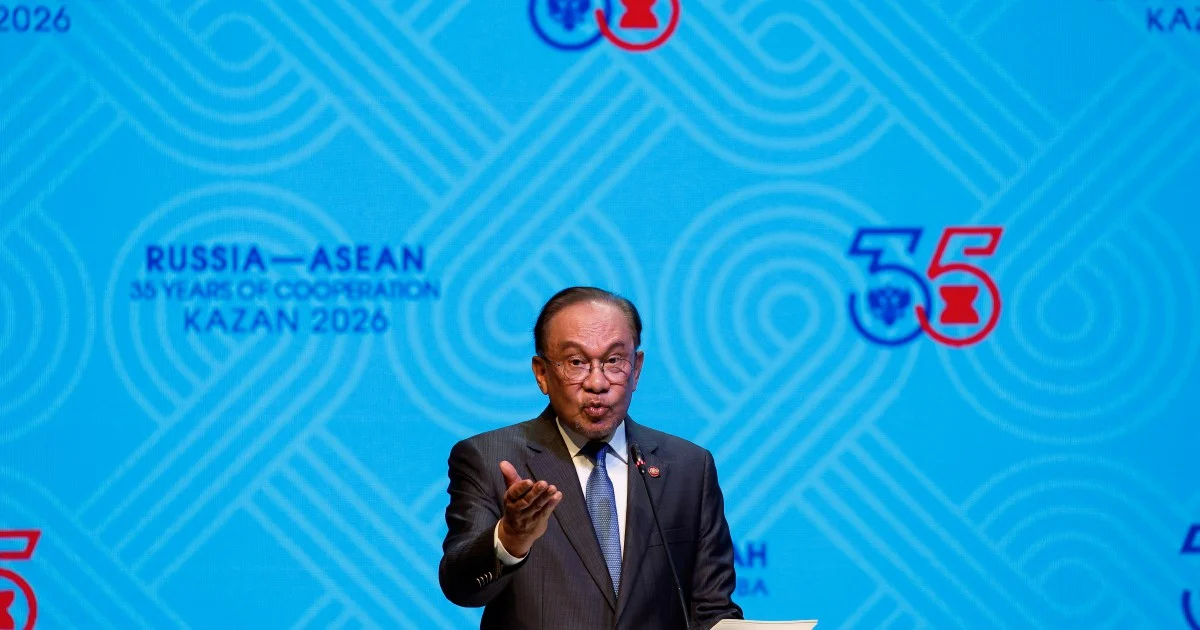
Prime Minister Datuk Seri Anwar Ibrahim has expressed cautious optimism about the newly finalised Asean-Russia Strategic Programme on Trade and Investment Cooperation 2026-2035, describing it as a pivotal foundation for deepening economic partnership between the regional bloc and Moscow. Speaking in Kazan, Anwar emphasised that while the completion of the roadmap represents a significant diplomatic achievement, the real test lies in how effectively both sides can translate the framework's objectives into concrete commercial activity and sustainable growth.
The decade-long strategic programme, which charts the course for bilateral economic engagement from 2026 onwards, arrives at a moment when Asean nations are reassessing their economic partnerships amid shifting geopolitical dynamics in the Asia-Pacific. For Malaysia specifically, strengthening ties with Russia carries particular significance given the country's efforts to diversify trade relationships beyond traditional Western partners and reduce dependency on single-source agreements. The programme's focus on trade and investment cooperation aligns with Kuala Lumpur's broader strategy of maintaining economic flexibility while strengthening ties across multiple regions.
Anwar's qualified endorsement underscores a pragmatic recognition that formal agreements, however comprehensive, require institutional machinery and favourable structural conditions to deliver results. The Prime Minister's reference to the need for an enabling environment points to several practical challenges: regulatory harmonisation between Asean member states and Russia, clarity on dispute resolution mechanisms, and political commitment at the highest levels of both organisations. These factors have historically proven as important as the agreements themselves in determining whether trade partnerships actualise or remain aspirational.
The timing of the roadmap's completion carries geopolitical weight. Russia has intensified engagement with Southeast Asia over recent years, seeking to counterbalance Western influence and expand its economic footprint in a region of growing strategic importance. For Asean, which has traditionally maintained a non-aligned posture, working with Russia represents part of a broader strategy of engaging major powers while avoiding exclusionary blocs. However, this balancing act requires careful diplomatic navigation, particularly given existing tensions between Russia and some Western-aligned nations that maintain strong ties to Asean members.
From a Malaysian perspective, the framework offers potential benefits across multiple sectors. Russian markets remain relatively underdeveloped for Malaysian exports of manufactured goods, agricultural products, and services compared to traditional trading partners. The roadmap's investment cooperation component could facilitate Malaysian companies seeking footholds in the Russian market, while Russian investments in Malaysia's energy, mining, and industrial sectors could complement existing foreign direct investment patterns. Additionally, technology transfer and research collaboration possibilities remain largely untapped between the two sides.
However, realising these opportunities requires surmounting several structural obstacles. Sanctions regimes imposed by Western nations on Russia complicate banking and financial transactions, creating friction for private companies seeking to engage bilaterally. Currency volatility and payment mechanism challenges have deterred many Southeast Asian businesses from committing substantial resources to Russian ventures. Furthermore, regulatory divergence across Asean nations—each maintaining distinct investment laws, tariff schedules, and sectoral protections—complicates the development of coherent bloc-level economic strategies.
Anwar's emphasis on preconditions for success reflects lessons learned from previous multilateral economic arrangements. The Asean-China Free Trade Agreement and Asean-India trade frameworks, while producing measurable increases in commerce, fell short of original projections partly due to inadequate institutional support and inconsistent implementation across member states. Policymakers have increasingly recognised that agreements require complementary investments in logistics, standards certification, dispute resolution capacity, and regular high-level oversight to function effectively.
The programme's ten-year horizon aligns with broader regional planning cycles and allows sufficient time for systematic implementation of supporting measures. This extended timeframe suggests both sides anticipate gradual rather than dramatic expansion in bilateral commerce. For Malaysia, which participates actively in Asean's collective diplomacy, the framework presents opportunities to advance specific national interests within a broader regional context while maintaining consensus-building approaches characteristic of Asean decision-making.
Moving forward, success hinges on translating political will into operational mechanisms. Joint committees with clear mandates, regular monitoring of progress against benchmarks, and willingness to address bottlenecks as they emerge will prove essential. Private sector engagement through chambers of commerce and industry associations can help bridge gaps between official negotiating positions and commercial realities on the ground. Malaysian businesses, accustomed to navigating complex regional trade environments, are well-positioned to serve as bridges between Asean and Russian commercial actors if adequate institutional support materialises.
Anwar's measured remarks suggest awareness that announcements of economic cooperation frameworks often exceed their practical impact unless accompanied by deliberate implementation strategies. The coming months and years will reveal whether the 2026-2035 programme becomes a genuine catalyst for expanded Asean-Russia trade or remains largely symbolic. For regional observers and business leaders monitoring Southeast Asian foreign policy, the trajectory of this framework will provide valuable signals about Asean's capacity to execute on its strategic commitments and Malaysia's role in facilitating regional economic initiatives.