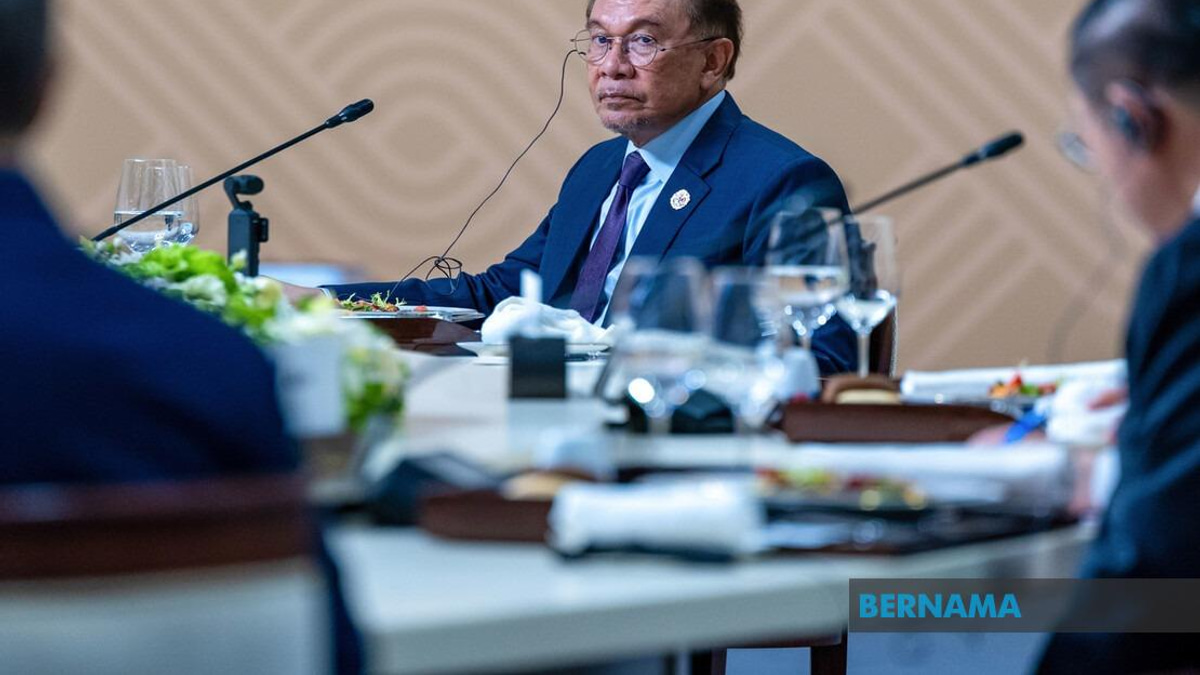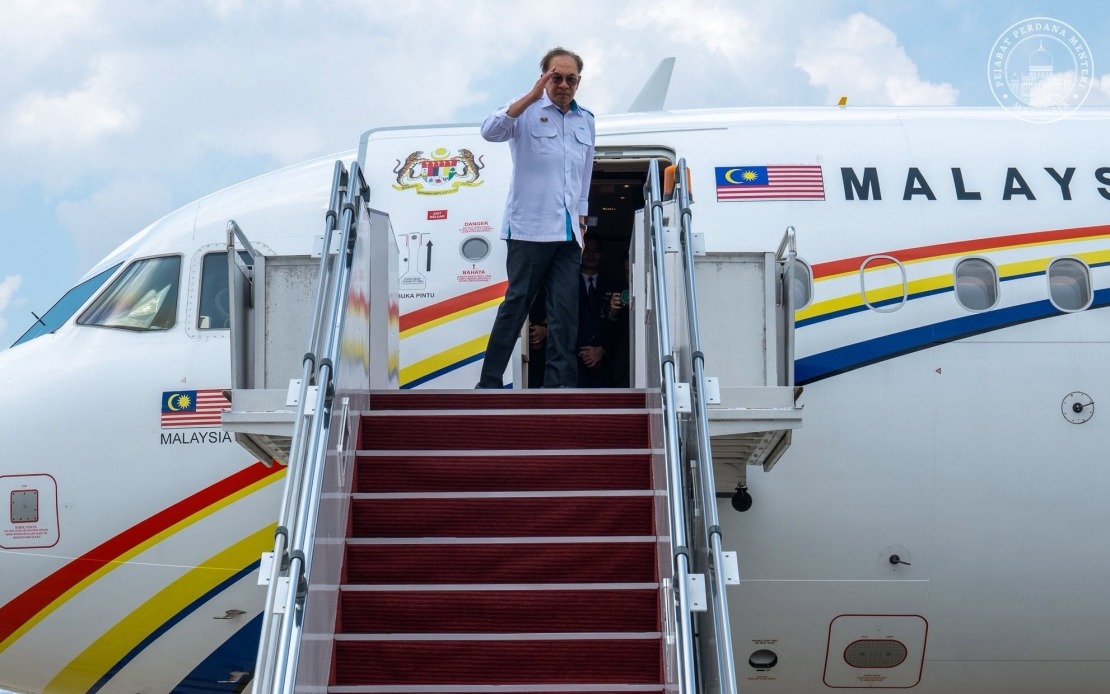
Prime Minister Datuk Seri Anwar Ibrahim departed Malaysia today bound for Kazan, Russia, to spearhead the Malaysian delegation at the ASEAN-Russia Commemorative Summit scheduled for June 17 to 18. The journey marks a significant diplomatic engagement as Malaysia reinforces its engagement with Russia during a period of geopolitical realignment in the Asia-Pacific region and beyond.
Accompanying the Prime Minister will be a high-level delegation comprising Minister of Investment, Trade and Industry Datuk Seri Johari Abdul Ghani and Minister of Economy Akmal Nasrullah Mohd Nasir, underscoring the economic dimensions of the visit. Officials from the Prime Minister's Office and the Foreign Ministry will also form part of the entourage, ensuring comprehensive coordination across government portfolios. The composition of the delegation signals Malaysia's multifaceted approach to the engagement, balancing diplomatic protocol with concrete commercial interests.
The summit itself carries particular symbolic weight, commemorating 35 years of formal relations between ASEAN and Russia—a partnership that traces its origins to Kuala Lumpur in 1991. This milestone reflects decades of evolving engagement between Southeast Asia's leading regional bloc and Moscow, during a period that has witnessed profound shifts in international alignments. The timing of the commemorative summit, coupled with the deliberate inclusion of senior economic ministers, suggests Malaysia views this occasion as an opportune moment to deepen substantive cooperation beyond ceremonial exchanges.
During his time in Kazan, Anwar is scheduled to hold bilateral discussions with Russian President Vladimir Putin, a meeting that carries implications for Malaysian foreign policy and regional stability. Beyond the formal summit proceedings, the Prime Minister will attend the Russia-ASEAN Business Forum, an event designed to facilitate commercial dialogues and explore investment opportunities between Russian enterprises and ASEAN members. Such forums serve as important platforms for Malaysian companies seeking to expand partnerships in energy, technology, and resource sectors where Russia maintains significant competitive advantages.
The summit's agenda encompasses a broad spectrum of cooperation areas that reflect contemporary regional and global challenges. Participants are expected to examine progress made across three and a half decades of engagement while establishing new frameworks for collaboration. Areas of focus include strengthening bilateral trade and investment flows, coordinating on energy security—a matter of considerable importance for energy-importing nations like Malaysia—and addressing food security concerns that remain pressing across Southeast Asia.
Beyond traditional economic cooperation, the discussions will extend to emerging sectors that increasingly define modern geopolitical competition. Digital economy development, science and technology partnerships, and cultural and educational exchanges feature prominently in the planned agenda. These dimensions reflect recognition that 21st-century strategic partnerships must encompass innovation ecosystems and people-to-people connections alongside conventional trade and investment metrics. For Malaysia, participation in these discussions positions the nation at the intersection of Southeast Asian interests and broader Eurasian cooperation initiatives.
Following the conclusion of summit activities in Kazan, the Prime Minister will undertake an official visit to Ashgabat, Turkmenistan, at the invitation of President Serdar Berdimuhamedow. This onward journey extends the diplomatic swing into Central Asia, a region where Malaysia has sought to deepen engagement amid renewed international attention to the area's energy resources, geopolitical location, and development potential. The back-to-back visits demonstrate Malaysia's strategic intent to maintain diplomatic momentum across multiple fronts simultaneously.
The dual-nation visit arrives amid broader Malaysian efforts to strengthen non-aligned positioning and diversify diplomatic and economic relationships. By maintaining substantive engagement with Russia and Central Asian states, Malaysia demonstrates commitment to pragmatic foreign policy that transcends rigid blocs or ideological alignments. This approach has historically characterized Malaysian diplomacy, emphasizing dialogue, commerce, and mutual benefit as foundations for international relations regardless of geopolitical tensions elsewhere.
Anwar's participation in these engagements carries particular resonance given Malaysia's role as chair or participant in various regional forums where Russia's participation and strategic interests have become increasingly significant. The ASEAN-Russia relationship, while not always commanding headlines in Malaysian media, represents a substantive partnership addressing practical concerns from climate change to maritime security. The commemorative summit provides an occasion to assess how effectively these partnerships have addressed shared challenges and where new opportunities for cooperation might emerge.
For Malaysian stakeholders in business, technology, and education sectors, the summit and accompanying business forum represent opportunities to identify partnership pathways with Russian counterparts. The Kazan gathering, as a multiparty forum, creates networking environments where Malaysian delegations can explore opportunities beyond bilateral channels. Energy companies, technology firms, and educational institutions may particularly benefit from enhanced visibility and relationship-building opportunities that such summits facilitate.
The Prime Minister's expressed hope that the visits will yield maximum benefits for Malaysia reflects the substantive ambitions underlying the diplomatic mission. Rather than purely ceremonial participation, the composition and scale of the delegation suggest expectations of concrete outcomes, whether in trade agreements, investment commitments, or cooperative frameworks spanning multiple sectors. Malaysia's engagement with Russia and Turkmenistan through these official channels reinforces the nation's conviction that productive relationships transcend broader geopolitical divisions.