%22%2F%3E%3C%2Fpattern%3E%3C%2Fdefs%3E%3Crect%20width%3D%22100%25%22%20height%3D%22100%25%22%20fill%3D%22url(%23phzxv5g)%22%2F%3E%3Crect%20width%3D%22100%25%22%20height%3D%22100%25%22%20fill%3D%22url(%23phzxv5p)%22%2F%3E%3Ctext%20x%3D%2250%25%22%20y%3D%2250%25%22%20text-anchor%3D%22middle%22%20dominant-baseline%3D%22central%22%20fill%3D%22rgba(255%2C255%2C255%2C0.95)%22%20font-family%3D%22Georgia%2C%20'Times%20New%20Roman'%2C%20serif%22%20font-weight%3D%22700%22%20font-size%3D%22272%22%20letter-spacing%3D%22-0.02em%22%3EAnwar%3C%2Ftext%3E%3C%2Fsvg%3E)
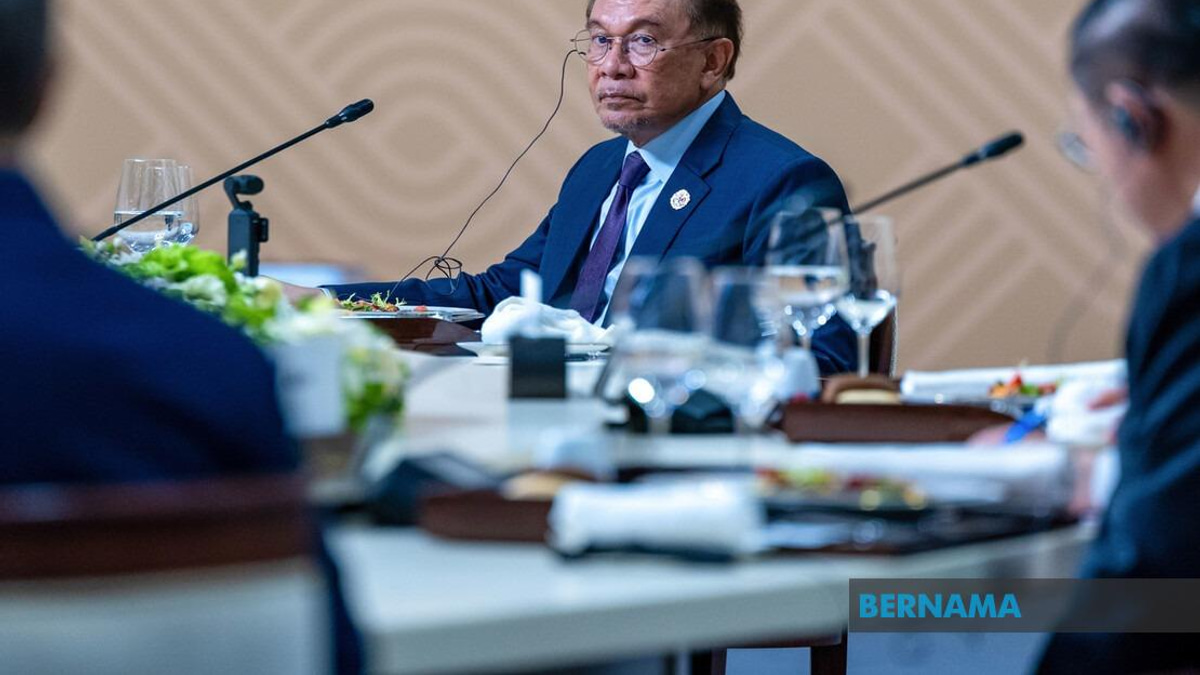
Prime Minister Anwar Ibrahim used a high-profile media engagement in Kazan on June 17 to outline Malaysia's vision for strengthened partnerships between the Association of Southeast Asian Nations and Russia, addressing everything from energy cooperation to literary traditions and humanitarian challenges that confront the international community.
The Prime Minister's extensive discussion with international journalists reflected the expanding diplomatic footprint Malaysia and its Southeast Asian partners maintain across multiple global centres. Kazan, the capital of the Tatarstan region, has emerged as an increasingly important venue for cross-regional dialogue, hosting conversations that bridge Western, Eastern, and Southern hemispheric interests. Anwar's presence underscored Asean's determination to maintain balanced, pragmatic engagement across geopolitical divides rather than aligning exclusively with particular power blocs.
Energy security dominated substantive portions of the exchange, a topic of acute relevance for Southeast Asia's resource-dependent economies and growing energy consumption. The region faces mounting pressure to balance industrial development with climate commitments while managing volatile global energy markets. Russia's role as a significant energy supplier and the potential for expanded trade relationships in petrochemicals and liquefied natural gas represent strategic considerations for Malaysian policymakers navigating the energy transition. Anwar's focus on this dimension suggests Malaysia continues pursuing diversified supply chains rather than consolidating dependencies within single partnerships.
Asean-Russia cooperation mechanisms constitute another pillar of the discussion. The bloc maintains formal frameworks for dialogue with Moscow across defence, economic, and cultural domains. These institutional relationships, though less prominent in international media coverage than ties with Western nations or China, provide valuable channels for regional consensus-building and dispute resolution. The Prime Minister's emphasis on these structures reinforces Asean's commitment to inclusive multilateralism at a time when geopolitical competition intensifies pressures on smaller nations to choose between competing powers.
Russian cultural heritage and literary traditions featured prominently in Anwar's remarks, reflecting a dimension of statecraft often overshadowed by commercial and security discussions. Russian literature has long influenced intellectual traditions across Southeast Asia, and cultural diplomacy serves practical purposes beyond aesthetic appreciation. Such exchanges build mutual understanding, create people-to-people connections that transcend political fluctuations, and anchor diplomatic relationships in shared intellectual values. By addressing this cultural dimension, Anwar signalled that Malaysia's foreign policy encompasses nation-building elements beyond transactional arrangements.
Humanitarian concerns represented a third substantive focus of Anwar's media session, acknowledging global challenges that demand multilateral responses irrespective of geopolitical tensions. Conflicts in multiple regions, displacement crises, and development inequalities affect populations across traditional Cold War dividing lines. Asean's principle of non-interference and its emphasis on peaceful conflict resolution position the region as a potential mediator when humanitarian imperatives transcend political disagreements. Malaysia's role within these frameworks reflects its broader aspirations to be perceived as a responsible global actor capable of balancing interests while maintaining ethical commitments.
The timing of these discussions carries significance within broader regional dynamics. Southeast Asia navigates an increasingly complicated international environment where traditional alignments shift and new partnerships emerge. Myanmar's political turmoil, the South China Sea tensions, and competition among major powers for influence create conditions where middle-power diplomacy becomes essential. Malaysia, through platforms like Kazan media engagements, attempts to shape narratives and preserve space for Asean manoeuvre amid external pressures.
Anwar's diplomatic positioning also reflects domestic political calculations. His administration has emphasised international engagement and regional leadership as components of Malaysia's development strategy. By visibly engaging with global media in prestigious venues, the Prime Minister reinforces perceptions of Malaysia as an active, engaged nation rather than a passive observer of international events. Such appearances build domestic political support through displays of statesmanship and international respect.
The Prime Minister's approach to Asean-Russia relations demonstrates recognition that geopolitical realities require pragmatic engagement with multiple partners. While Western democracies and Asian allies remain significant relationships, Russia's geographic proximity to Southeast Asia, energy resources, and permanent UN Security Council seat ensure continued relevance regardless of Western preferences. Malaysian foreign policy reflects this reality through balanced diplomacy rather than exclusive alignments.
Looking forward, the substance of Anwar's Kazan discussion suggests Malaysia will continue pursuing energy partnerships, cultural exchanges, and institutional cooperation frameworks with Russia while maintaining its traditional alliance structures. This multi-vector approach faces inherent tensions—satisfying Western partners while engaging Russia—but remains consistent with Asean principles of strategic autonomy and non-alignment. Malaysia's success depends on articulating its engagement as beneficial for regional stability rather than challenging to any particular power's interests.
The Prime Minister's engagement with international media in Kazan ultimately served multiple purposes: advancing substantive bilateral and multilateral cooperation, articulating Malaysia's vision for inclusive regional architecture, and demonstrating the country's diplomatic sophistication to both domestic and international audiences. As geopolitical competition intensifies, such careful diplomatic positioning becomes increasingly valuable for nations seeking prosperity without excessive vulnerability to great power rivalries.