%22%2F%3E%3C%2Fpattern%3E%3C%2Fdefs%3E%3Crect%20width%3D%22100%25%22%20height%3D%22100%25%22%20fill%3D%22url(%23ph3dxvfg)%22%2F%3E%3Crect%20width%3D%22100%25%22%20height%3D%22100%25%22%20fill%3D%22url(%23ph3dxvfp)%22%2F%3E%3Ctext%20x%3D%2250%25%22%20y%3D%2250%25%22%20text-anchor%3D%22middle%22%20dominant-baseline%3D%22central%22%20fill%3D%22rgba(255%2C255%2C255%2C0.95)%22%20font-family%3D%22Georgia%2C%20'Times%20New%20Roman'%2C%20serif%22%20font-weight%3D%22700%22%20font-size%3D%22272%22%20letter-spacing%3D%22-0.02em%22%3EAnwar%3C%2Ftext%3E%3C%2Fsvg%3E)
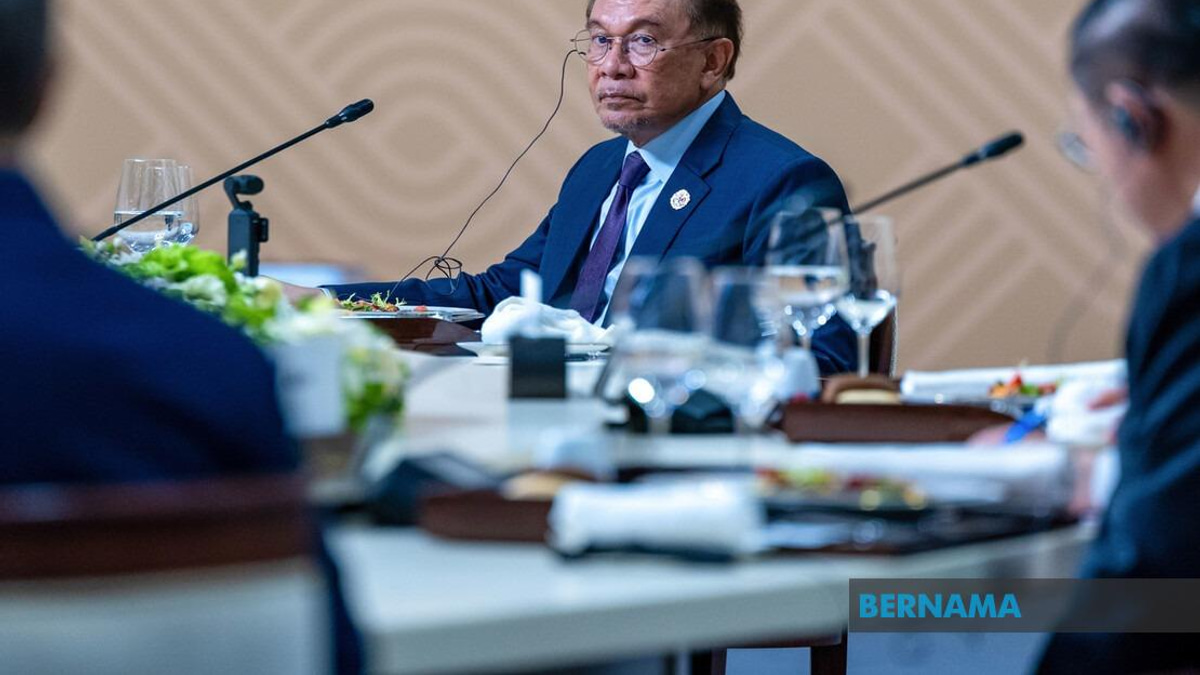
Prime Minister Anwar Ibrahim is embarking on a working visit to Russia tomorrow with energy security firmly at the centre of his diplomatic agenda. The trip, which will include meetings between ASEAN leaders and Russian officials, represents a deliberate strategic move to safeguard Malaysia's long-term access to petroleum products in an increasingly volatile global energy landscape. Anwar outlined his intentions during a community gathering at Pantai Leka Food Court in Muar today, emphasising that securing fuel supplies remains among the government's most pressing economic priorities.
The timing of this mission reflects growing anxieties across Southeast Asia regarding energy stability. Anwar intends to use his direct conversation with Putin to reinforce Malaysia's need for uninterrupted oil shipments, framing the discussion within the broader context of bilateral relations. This approach underscores a fundamental principle of Malaysian foreign policy: that maintaining constructive diplomatic channels with major global powers yields tangible economic benefits. The Premier articulated this philosophy plainly, noting that good international relations translate into energy security—a particularly crucial consideration given recent supply disruptions affecting neighbouring ASEAN nations.
Malaysia's fuel pricing landscape provides context for why this mission matters domestically. The government has managed to maintain RON95 petrol at RM1.99 per litre, among the world's lowest retail prices, through a combination of prudent economic stewardship and strategic international engagement. Preserving this pricing stability requires continuous access to reliable crude oil sources at competitive rates. Any significant disruption to Malaysia's supply chains would inevitably push domestic fuel costs higher, affecting transportation, manufacturing, and consumer spending across the economy.
The geopolitical dimensions of this visit cannot be overlooked. Recent military escalations between Israel and Iran, coupled with threats to close the Strait of Hormuz, have created genuine uncertainty in global energy markets. This critical chokepoint handles roughly one-third of the world's maritime oil trade, making it essential infrastructure for economies like Malaysia that depend heavily on imported energy. Anwar has publicly acknowledged this vulnerability, warning that any closure of the strait would trigger oil price spikes that would inevitably reach Malaysian shores and strain household budgets and corporate operations.
Anwar referenced communications with Pakistan's Prime Minister suggesting potential diplomatic breakthroughs in the Middle East conflict, offering a glimmer of hope that escalation might be averted. However, this optimism must be tempered with realism. Even if current tensions ease, the underlying fragility of global energy markets means that Malaysia cannot afford complacency. The slight recent decline in global oil prices provides temporary relief, but structural vulnerabilities remain.
The Russia visit represents a diversification strategy within Malaysia's energy diplomacy. Rather than concentrating fuel sourcing among a narrow range of suppliers, engaging directly with Russian leadership strengthens alternative pathways for petroleum imports. Russia remains a significant global energy producer, and cultivating stable trade relationships provides Malaysia with buffers against disruptions emanating from any single region or supply route. This hedging approach reflects sophisticated economic management, particularly important for a nation lacking significant domestic crude oil reserves relative to consumption.
Beyond immediate supply concerns, Anwar's mission signals Malaysia's commitment to strategic autonomy in an era of great power competition. By maintaining robust relationships with multiple global powers—including Russia, despite Western sanctions—Malaysia preserves its freedom of manoeuvre and protects its economic interests from being held hostage by any single bloc. This balancing act has long characterised Malaysian foreign policy, and the Russia visit exemplifies its continued relevance.
The consultation with ASEAN partners during these discussions adds another dimension. Collective energy security challenges facing Southeast Asia—including vulnerability to supply shocks and exposure to geopolitical turbulence—benefit from coordinated diplomatic responses. Anwar's participation in ASEAN-Russia talks potentially strengthens the region's negotiating position while demonstrating regional unity on vital economic matters.
For Malaysian consumers and businesses, the stakes of this diplomatic engagement are concrete. Fuel price stability directly affects transportation costs, manufacturing competitiveness, and inflation rates. Agricultural sectors, fishing communities, and rural economies—notably present at today's event in Muar—depend particularly heavily on affordable diesel for operations. The government's ability to maintain these price levels hinges significantly on securing reliable supply sources at reasonable rates, making Anwar's Russia visit more than symbolic diplomacy but rather essential economic housekeeping.
The broader lesson for Malaysia's development trajectory is that energy security cannot be taken for granted. As the nation pursues industrialisation, urbanisation, and higher living standards, energy demand will only increase. Proactive engagement with major energy-producing nations, combined with diversification of supply sources and maintaining strategic reserves, forms the foundation for sustained economic growth. Anwar's forthright acknowledgment of these challenges and his direct diplomatic engagement demonstrate recognition that long-term prosperity requires active management of critical vulnerabilities.
Looking ahead, the outcomes of the Russia talks will likely influence Malaysia's broader energy strategy. Any agreements reached regarding supply volumes, pricing mechanisms, or long-term contracts would provide greater predictability for economic planning. Even without formal agreements, the diplomatic reinforcement of Malaysia's importance to Russian energy exports sends useful signals about mutual interest in stable trade relationships. For a nation navigating complex geopolitical currents while pursuing economic development, such strategic clarity matters considerably.