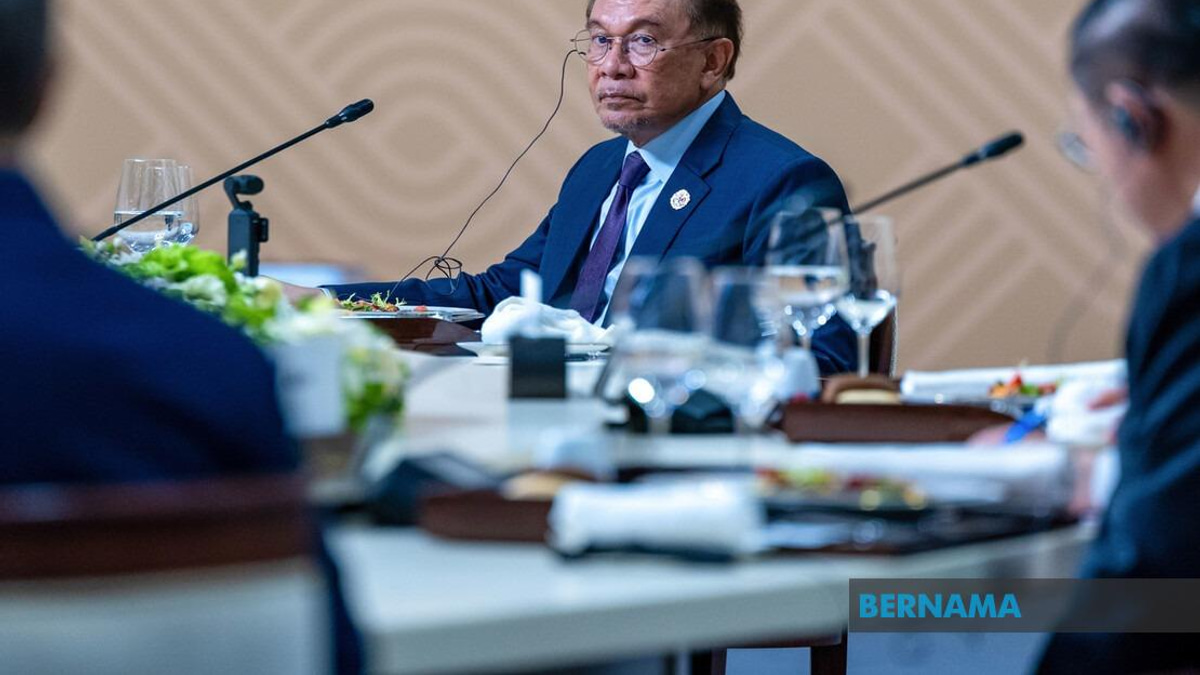
Prime Minister Datuk Seri Anwar Ibrahim will travel to Ashgabat on June 18 for a two-day visit designed to elevate economic cooperation between Malaysia and Turkmenistan, marking a significant diplomatic engagement in Central Asia that reflects Kuala Lumpur's widening geopolitical reach beyond traditional Southeast Asian partnerships.
The visit arrives at a strategic moment for both nations. Turkmenistan, Central Asia's largest natural gas exporter, sits at the crossroads of major energy markets connecting China, Russia, and Europe, while Malaysia remains a key energy consumer in Southeast Asia seeking stable fuel supplies. Bilateral discussions during the visit are expected to focus primarily on hydrocarbon sectors, where substantial opportunities exist for Malaysian companies to participate in Turkmenistan's energy infrastructure development and exploration projects.
Beyond the oil and gas dimension, the two-day engagement will explore cooperation in transportation and logistics—areas of growing importance as Malaysia positions itself as a regional hub for supply chains and intermodal connectivity. Turkmenistan's location along ancient and emerging trade corridors, combined with its strategic ports and infrastructure investments, creates natural synergies with Malaysian expertise in port management, shipping, and regional distribution networks.
Agricultural collaboration also features prominently in the diplomatic agenda. Turkmenistan's vast agricultural potential and Malaysia's advanced agribusiness expertise, particularly in palm oil value-added products and agricultural technology, suggest complementary advantages. Enhanced trade in agricultural commodities and technology transfer could benefit both economies while supporting food security objectives in Central Asia.
This diplomatic initiative underscores Malaysia's increasingly active engagement with non-traditional partners, a policy shift that reflects both economic pragmatism and a desire to diversify international partnerships. While ASEAN cooperation remains foundational to Malaysian foreign policy, expanding ties with energy-rich Central Asian states addresses Malaysia's long-term energy security requirements and opens new markets for Malaysian services and investments.
The Ashgabat visit also carries broader regional significance within the context of Asian geopolitical realignment. As major powers compete for influence and resources across the continent, Malaysia's proactive engagement with Central Asia demonstrates Kuala Lumpur's commitment to maintaining independent foreign policy pathways and cultivating diverse diplomatic relationships that serve national interests.
Turkmenistan has historically maintained a foreign policy of permanent neutrality, a status recognized internationally. This neutrality creates a stable environment for commercial cooperation with multiple partners, including Malaysia. The country's track record of attracting foreign investment in energy sectors and maintaining consistent regulatory frameworks provides Malaysian enterprises with confidence in pursuing long-term commercial engagements.
For Malaysia, access to Turkmenistan's energy resources addresses structural demand pressures in the domestic market. As a net energy consumer facing rising fuel costs and supply security considerations, diversifying energy sourcing from reliable, neutral states reduces vulnerability to supply disruptions and geopolitical volatility affecting traditional supplier relationships.
The visit is also expected to explore institutional frameworks for deeper cooperation, potentially including discussions on establishing joint commissions, business councils, or formal trade agreements that would facilitate sustained engagement beyond this diplomatic visit. Such mechanisms typically pave the way for substantive commercial activity by reducing barriers and creating predictable operating environments for Malaysian investors.
Cultural and educational exchanges may also feature in bilateral discussions, broadening the relationship beyond commercial dimensions. Malaysian universities and technical institutions could explore collaboration agreements with Turkmen counterparts, while people-to-people exchanges strengthen mutual understanding and lay foundations for long-term goodwill.
The timing of Anwar's visit reflects Malaysia's intention to position itself prominently in Central Asian economic development conversations. As these regions attract increasing international attention and investment capital, early engagement allows Malaysia to establish favorable negotiating positions and secure partnerships ahead of competitors.
Looking forward, the June visit likely represents the beginning of a more sustained engagement trajectory rather than a standalone diplomatic event. Success in establishing concrete agreements on energy cooperation, trade facilitation, and institutional mechanisms could lead to regular high-level visits and expanded people-to-people exchanges, transforming Malaysia-Turkmenistan relations from peripheral to strategically significant.