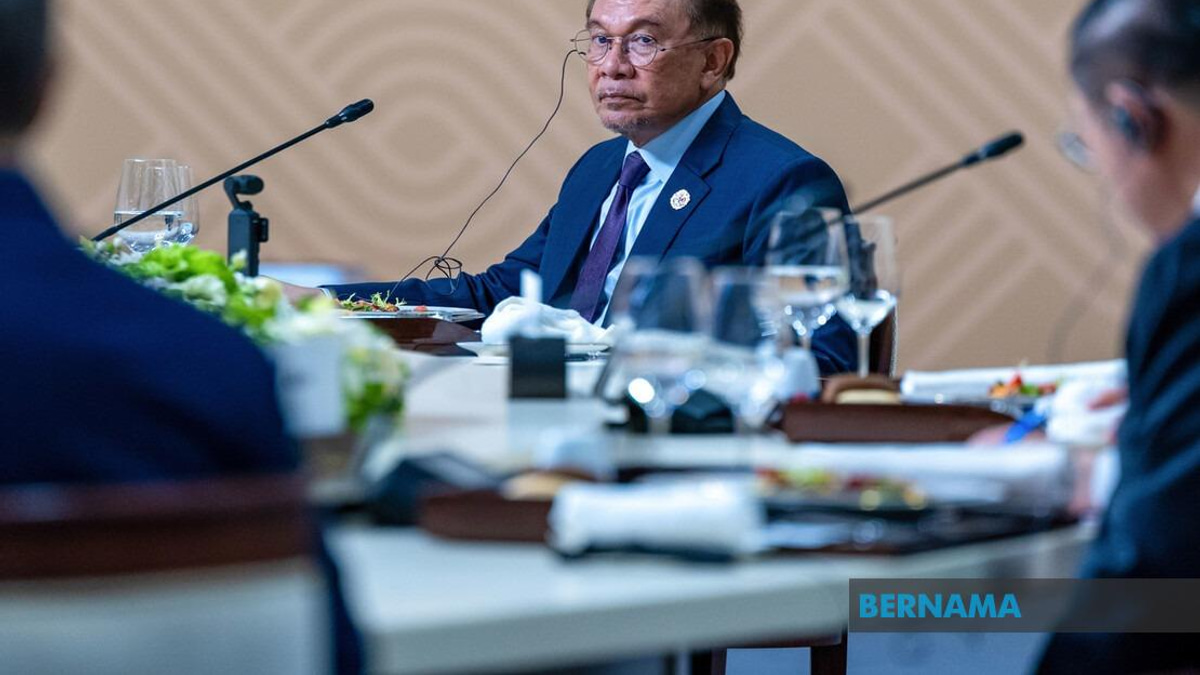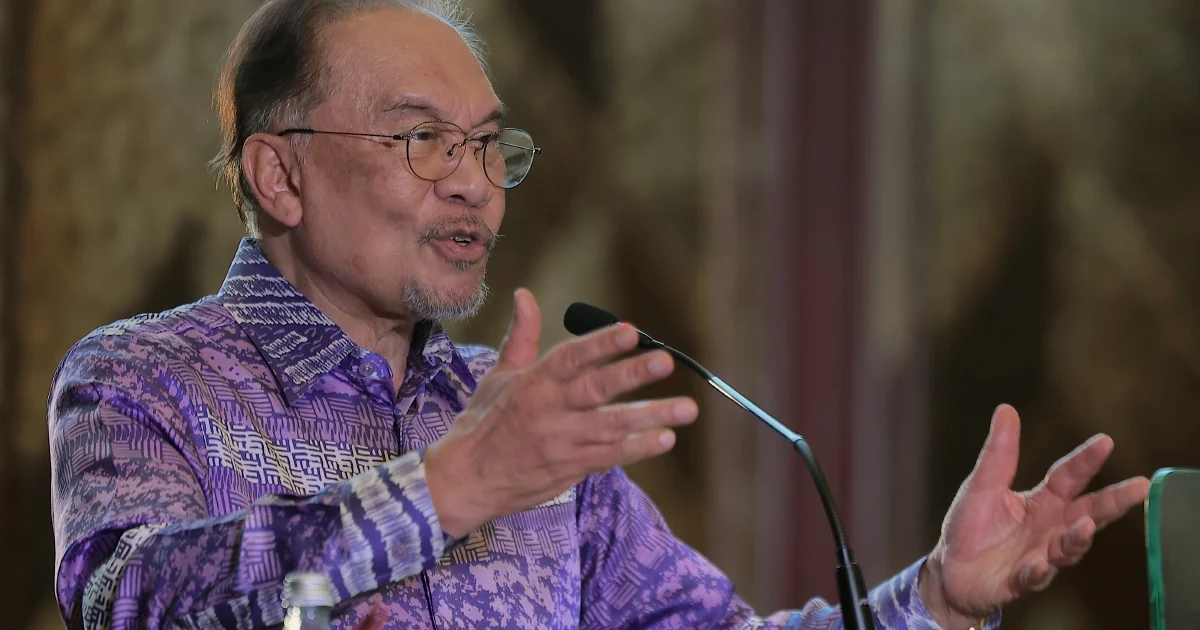
Prime Minister Datuk Seri Anwar Ibrahim is embarking on a two-day working visit to Kazan beginning June 17, during which he will hold talks with Rais of the Republic of Tatarstan Rustam Minnikhanov. The engagement represents a significant diplomatic initiative aimed at broadening Malaysia's strategic footprint in Russia and advancing regional interests across Southeast Asia.
Malaysian envoys have characterised the visit as a deliberate effort to reinvigorate bilateral relations between Kuala Lumpur and Moscow at the highest political level. The meeting between Anwar and Minnikhanov signals Malaysia's intent to move beyond conventional diplomatic courtesies and establish substantive channels for cooperation in sectors ranging from trade and investment to technology and energy infrastructure. For a nation navigating a complex geopolitical landscape, such high-level engagement underscores Malaysia's balancing act between maintaining ties with established partners while building bridges across diverse regional blocs.
Tatarstan's prominence as Russia's economic and cultural hub makes Kazan an symbolically appropriate venue for such discussions. The region has emerged as a centre of innovation and enterprise within the Russian federation, positioning it as a natural interlocutor for Southeast Asian economies seeking deeper commercial integration. Malaysian officials recognise that strengthening ties with Tatarstan can facilitate access to broader Russian markets and create opportunities for Malaysian businesses and investors seeking expansion beyond traditional Asia-Pacific corridors.
The timing of the visit carries particular significance given contemporary shifts in global power dynamics and regional alignment. Malaysia, as a key Asean member and a nation with substantial economic interests across multiple continents, benefits from demonstrating its capacity to engage constructively with major powers regardless of geopolitical tensions elsewhere. Such diplomacy allows the country to pursue independent foreign policy objectives while maintaining credibility with both Western and non-Western interlocutors.
Beyond bilateral matters, Malaysian representatives have emphasised that the visit is designed to strengthen Asean-Russia relations more broadly. This multilateral dimension reflects Malaysia's commitment to advancing collective Southeast Asian interests and ensuring that the bloc remains a relevant player in global affairs. As Asean navigates questions about its own unity and strategic autonomy, Malaysia's proactive engagement with major powers like Russia demonstrates the bloc's continuing capacity to conduct independent diplomacy and pursue diverse partnerships.
The discussions are expected to cover multiple domains of mutual interest. Economic cooperation, including trade expansion and investment frameworks, likely features prominently given Malaysia's position as a significant exporter and its interest in diversifying market access. Energy security represents another probable focus area, particularly given Russia's role as a major energy supplier and Malaysia's growing demand for reliable resource partnerships. Additionally, technology transfer and higher education exchanges could strengthen people-to-people connections and build long-term institutional relationships between the two nations.
From Malaysia's perspective, engagement with Russia also serves to hedge against excessive dependence on any single strategic partner while maintaining flexibility in navigating an era of great power competition. The country's traditional focus on Western partnerships through organisations like the Five Power Defence Arrangements coexists with growing recognition that the future regional order may feature multiple centres of power and influence. Diplomatic initiatives like the Kazan visit reflect this sophisticated approach to foreign policy.
The visit also comes at a moment when regional organisations are reassessing their engagement strategies with major powers. Asean's long-standing commitment to centrality and non-alignment gains renewed importance as geopolitical tensions persist. Malaysia's leadership in strengthening Asean-Russia ties can contribute to preserving space for regional autonomy and ensuring that Southeast Asia remains a valued partner rather than a contested sphere of influence among great powers.
For Tatarstan specifically, the visit represents an opportunity to expand its international profile and demonstrate its role as a significant economic and political actor within Russia. Minnikhanov's discussions with Anwar can showcase Tatarstan's investment potential and openness to international partnerships, positioning the region as an accessible gateway for Southeast Asian enterprises seeking Russian market entry without navigating solely through Moscow's increasingly complex bureaucratic and geopolitical constraints.
The working visit format indicates that substantive business awaits the delegation, with officials on both sides likely having prepared detailed proposals and frameworks for discussion. Rather than ceremonial encounters, such visits typically culminate in memoranda of understanding, joint statements of intent, or concrete agreements on specific collaborative projects. These tangible outcomes matter significantly for demonstrating to domestic constituencies that diplomatic engagement generates practical benefits.
Looking ahead, the success of this engagement may establish a template for deeper Malaysia-Russia cooperation and serve as a catalyst for expanded Asean-Russia dialogue at multiple governmental levels. Should the discussions yield concrete agreements on trade facilitation, investment protection, or technology partnerships, the visit could mark a turning point in regional engagement with Moscow. For Malaysian policymakers, the visit encapsulates a broader strategy of maintaining strategic autonomy while building relationships that serve the nation's long-term economic and political interests in an increasingly multipolar world.