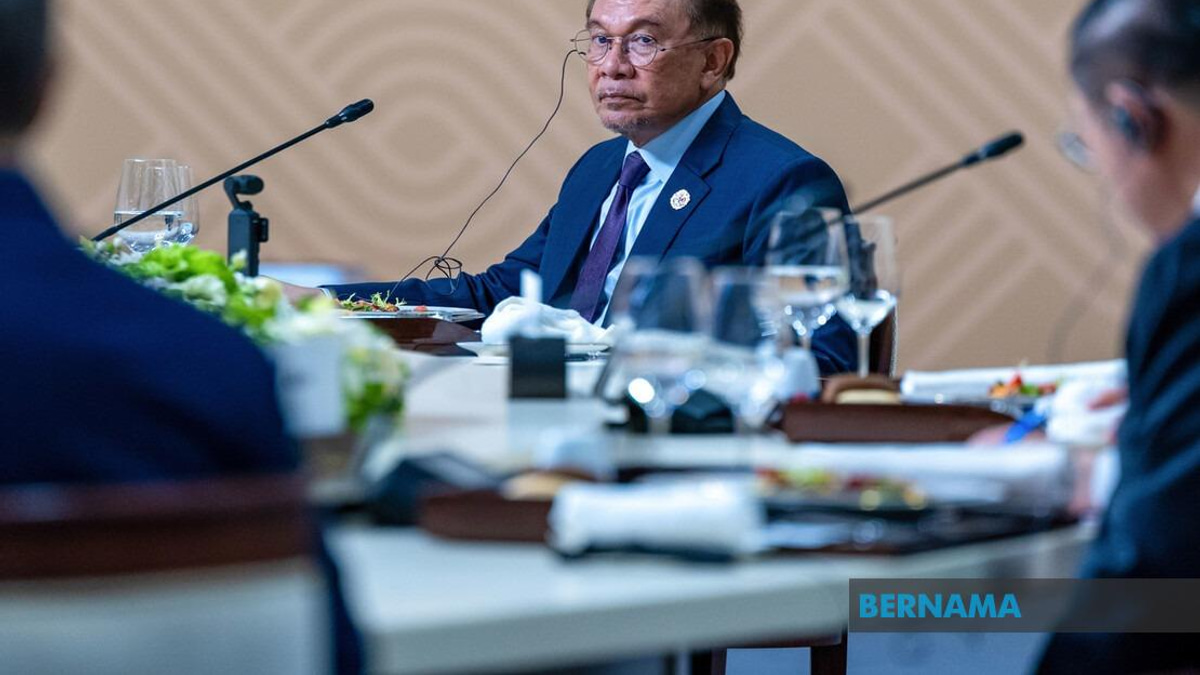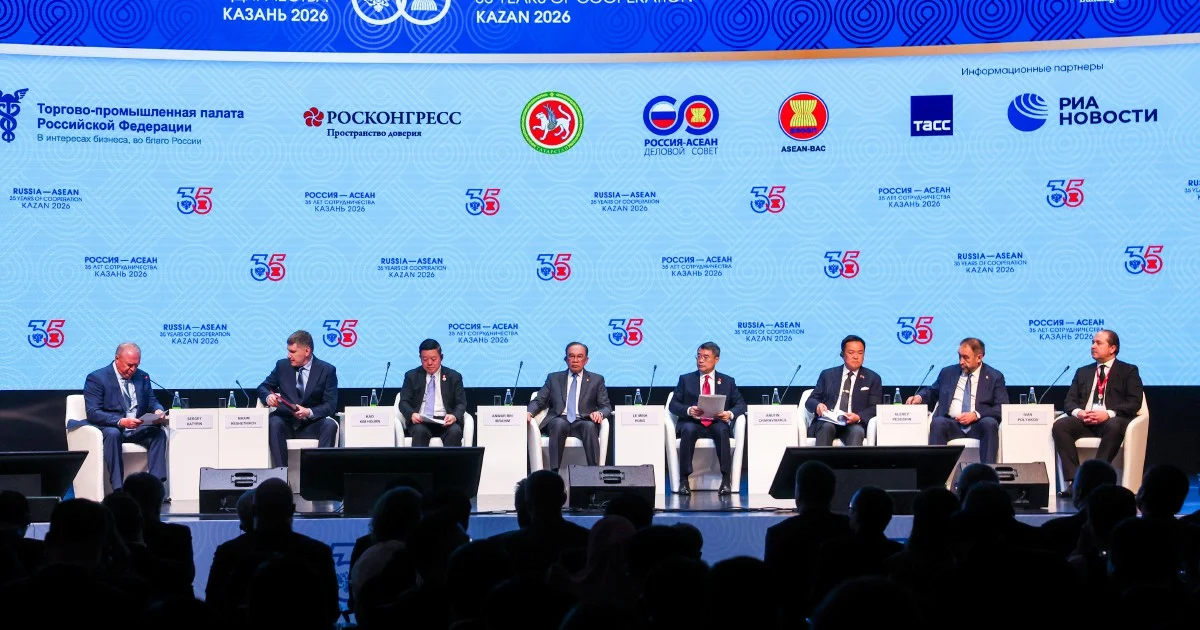
Prime Minister Datuk Seri Anwar Ibrahim has emphasised the urgency of deepening collaborative ties between Asean and Russia across a spectrum of critical sectors that directly impact prosperity and stability in Southeast Asia. Speaking during his presence in Kazan, Anwar outlined a comprehensive agenda for bilateral and multilateral engagement that reflects Malaysia's strategic approach to diversifying regional partnerships beyond traditional alignments.
The Malaysian leader's emphasis on food security represents a particularly pertinent concern for Southeast Asian nations grappling with supply chain vulnerabilities and rising commodity prices. As a region heavily dependent on agricultural imports and contending with climate-related disruptions to harvests, Asean member states stand to benefit significantly from collaborative frameworks with Russia that could enhance resilience through knowledge exchange, technology transfer, and coordinated agricultural development initiatives. Russia's vast agricultural capacity and established expertise in grain production position it as a valuable partner in addressing the region's food sustainability challenges, especially amid geopolitical tensions that have disrupted global markets.
Energy cooperation emerges as an equally critical pillar in Anwar's proposed framework. Southeast Asia's growing demand for reliable energy supplies, coupled with the region's transition towards more diversified fuel sources, creates natural opportunities for expanded Russian involvement in hydrocarbon trade and infrastructure development. For Malaysia specifically, which maintains significant petroleum and natural gas interests, deeper engagement with Russian energy sectors could yield mutual benefits through technology partnerships, joint investment vehicles, and enhanced trading mechanisms that offer alternatives to incumbent suppliers.
The inclusion of advanced manufacturing in this cooperation agenda signals recognition of Russia's industrial capabilities and the region's ambitions to establish competitive manufacturing hubs. By fostering partnerships in this domain, Asean nations could access technical expertise and facilitate knowledge transfers that strengthen their position in global value chains. This dimension carries particular relevance for Malaysia, which has positioned itself as a regional manufacturing centre and seeks to upgrade industrial capabilities through strategic international collaboration.
Digital technologies represent the frontier of contemporary economic competition, and Anwar's explicit inclusion of this sector underscores Southeast Asia's determination to narrow technological gaps with more advanced economies. Russia possesses notable strengths in software development, cybersecurity, and information systems—domains where collaboration could enhance Asean's collective digital infrastructure and foster innovation ecosystems. Malaysian policymakers have recognised that technological leapfrogging opportunities could accelerate economic transformation if channelled through appropriate multilateral mechanisms.
Educational partnerships constitute the long-term foundation upon which sustainable cooperation must rest. Enhanced scholarship programmes, academic exchanges, and capacity-building initiatives between Asean universities and Russian institutions would cultivate the skilled workforce necessary to implement these ambitious cooperation frameworks. For Malaysia, which hosts several regional education hubs, expanded Russian engagement could diversify educational offerings and strengthen the nation's position as a knowledge destination within Southeast Asia.
Anwar's articulation of these priorities reflects Malaysia's broader geopolitical strategy of engaging major powers constructively whilst maintaining strategic autonomy. By proposing structured multilateral frameworks rather than bilateral arrangements, the Malaysian leader avoids perceptions of exclusive alignment whilst creating genuine value-generating platforms. This approach acknowledges that Russia's strategic importance to Southeast Asia extends beyond traditional security considerations to encompass economic interdependence and development partnership.
The timing of these pronouncements carries geopolitical significance given the evolving international order and shifting global alignments. As Western sanctions and diplomatic isolation have prompted Russia to intensify engagement with Asian partners, Asean's willingness to deepen cooperation demonstrates the region's commitment to inclusive multilateralism and pragmatic engagement. For Malaysian policymakers, maintaining substantive partnerships with diverse global actors serves national interests by ensuring access to multiple sources of investment, technology, and trade opportunities.
Implementing this ambitious cooperation agenda requires establishing functional institutional mechanisms and securing political commitment from all participating nations. Asean's consensus-based decision-making processes and its member states' varying strategic priorities create both opportunities and challenges in translating Anwar's vision into concrete collaborative arrangements. Malaysia's role as a bridge-builder between major powers positions it to champion initiatives that balance competing interests and generate inclusive benefits across the region.
The success of expanded Asean-Russia cooperation ultimately depends on identifying mutually beneficial outcomes that transcend narrow geopolitical calculations. Anwar's emphasis on substantive economic and technological partnership suggests a framework grounded in pragmatism rather than ideological opposition to Western-led international systems. This positioning allows Southeast Asian nations, particularly Malaysia, to maximise opportunities whilst preserving flexibility in their broader international engagement strategies. For Malaysian businesses and policymakers, the expansion of Asean-Russia cooperation promises access to new markets, technologies, and investment capital whilst strengthening the region's collective bargaining power in an increasingly multipolar world.