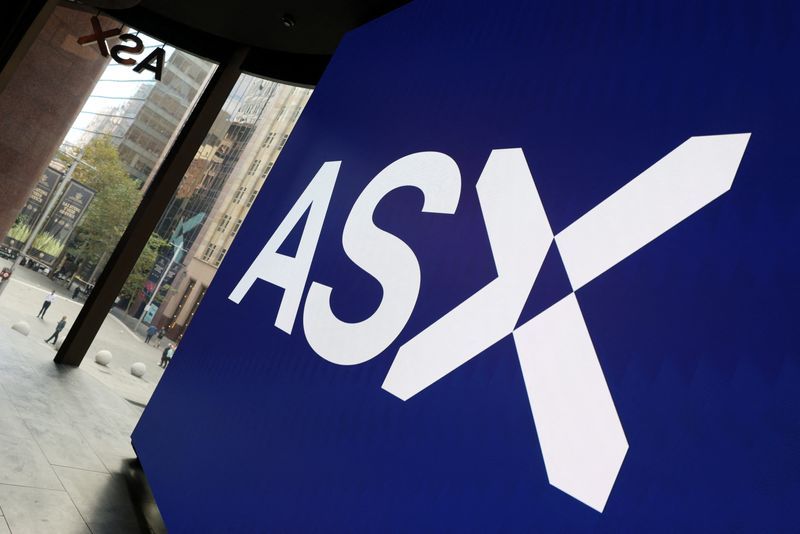
Australia's stock exchange operator, the ASX, has conceded that it misled investors regarding progress on its troubled CHESS clearing system upgrade, agreeing to a settlement that includes a A$20.5 million penalty and A$3 million contribution towards the regulator's legal expenses. The Australian Securities & Investments Commission (ASIC), which serves as the country's financial markets watchdog, pursued legal action against ASX starting in August 2024 over misleading disclosures made during 2022 concerning the Clearing House Electronic Subregister System initiative originally scheduled to launch in 2023.
The case centres on statements ASX made to the market that were materially inaccurate given what the company's own internal assessments showed at the time. By the final months of 2021, ASX had classified the CHESS project internally with a "red" status designation, a serious warning signal indicating substantial jeopardy to the planned delivery timeline. This critical risk assessment reached the ears of ASX's audit and risk committee merely seven days before the company issued its February 2022 trading update, according to ASIC's legal filing.
On February 10, 2022, ASX announced that then-Chief Executive Dominic Stevens would be stepping down from his role. In that same announcement, the company characterised the CHESS replacement initiative as "progressing well" to the broader investment community. This characterisation stood in sharp contrast to the internal "red" status that had been communicated to the board-level risk committee. The discrepancy between what management was telling shareholders and what the company knew internally forms the crux of ASIC's regulatory complaint.
The saga of the CHESS modernisation project reflects broader challenges facing major financial infrastructure operators in managing complex technology transitions. Rather than persist with attempted fixes to the initial iteration, ASX eventually pulled the plug on the original CHESS project in November 2022 after experiencing multiple implementation setbacks and incurring substantial expenses during the reassessment phase. This decision represented a dramatic course correction that essentially admitted the project had become unviable in its original conception.
ASX subsequently initiated a revised approach to upgrading its clearing infrastructure. The first component of the new CHESS clearing system went operational in April of this year, with the company projecting that the complete system will be fully operational by 2029. This extended timeline underscores how significant the technical challenges proved to be, and how far behind schedule the modernisation effort has fallen from its original 2023 target date.
The settlement carries both immediate financial implications and longer-term reputational consequences for the exchange operator. Kai Chen, Director at MPC Markets, observed that whilst the financial penalty formally resolves the legal dispute, deeper questions remain unresolved. Chen noted that the reputational damage and lingering doubts about ASX's operational and governance culture will likely persist until the organisation either faces genuine competitive pressures or demonstrates measurable improvements in how it manages large-scale projects and communicates with stakeholders.
For Malaysian and regional investors with exposure to Australian equities or those tracking corporate governance standards across the Asia-Pacific, the ASX case serves as an instructive example of how major financial infrastructure operators can face serious regulatory consequences when senior management communications diverge materially from internal risk assessments. The incident underscores the heightened scrutiny that regulators now apply to disclosures made during periods of significant operational uncertainty or transition.
The financial impact on ASX itself appears manageable given the company's scale and profitability. The combined penalty and regulatory cost totalling A$23.5 million will be recognised in the company's fiscal 2026 financial statements as a significant non-recurring item, meaning the charge will be clearly identified as an exceptional cost rather than flowing through ordinary operating expenses. This treatment allows investors to assess the company's underlying operational performance separately from the one-off regulatory settlement.
Market reaction to the settlement news proved relatively measured, with ASX shares closing up 2.6 per cent at A$50.46 on the day the agreement was announced, outpacing the broader Australian stock market benchmark's 1.3 per cent gain. This positive response suggests investors viewed the settlement as appropriate resolution rather than indicative of deeper systemic problems with the exchange's current operations or governance structure. However, lingering questions remain about how thoroughly ASX has reformed its internal processes for risk reporting and how candidly management now communicates about operational challenges to external stakeholders.
The penalties and costs must still receive formal approval from the Federal Court before they become binding and enforceable, though such court approval in settlement agreements between regulators and organisations is typically a procedural formality rather than a substantive hurdle. Once finalised, the settlement will represent one of the more significant financial penalties levied against Australia's premier stock exchange, reflecting ASIC's determination to enforce high standards of disclosure integrity at the apex of the nation's financial infrastructure.
For regional market participants, the ASX case illustrates the increasing regulatory focus on ensuring that major financial infrastructure operators maintain rigorous internal governance, particularly around risk escalation and truthful market disclosures. The incident suggests that investors should expect regulators throughout Asia-Pacific to apply similar scrutiny to disclosures made by major exchanges, clearing houses, and settlement operators during periods when significant technology projects or operational challenges are underway, reinforcing broader trends toward enhanced transparency and accountability in financial market infrastructure.