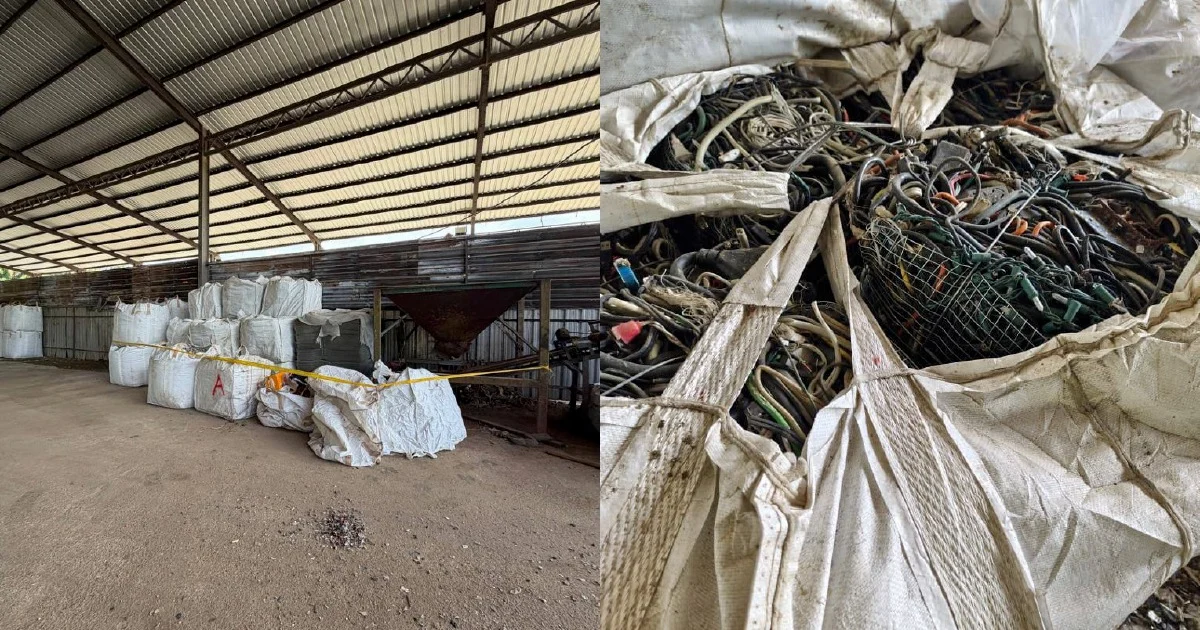
A substantial haul of improperly handled electronic waste, estimated at RM3 million, has been recovered following a coordinated enforcement operation targeting an unlicensed recycling operation in Bukit Mertajam. Authorities moved against the facility after intelligence suggested systematic breaches of environmental protection laws governing hazardous material handling. The raid marks an intensifying effort to combat the growing problem of clandestine e-waste networks that divert materials away from legitimate disposal channels, threatening both environmental integrity and public health across Malaysia's northern regions.
The operation yielded the apprehension of five individuals suspected of involvement in the illegal accumulation, processing, and distribution of electronic refuse. These persons are believed to have operated the facility without proper licensing or environmental compliance certification, enabling them to avoid the stringent regulations imposed on legitimate recycling enterprises. Investigators are examining the extent of the operation's activities and whether the material stockpile represents the entirety of their inventory or merely the quantity detected during yesterday's intervention.
Electronic waste remains among Malaysia's most problematic disposal challenges, containing copper, gold, and other valuable metals alongside toxic substances including lead, cadmium, and mercury. When processed outside regulated frameworks, e-waste operations expose workers and surrounding communities to severe health risks whilst contaminating soil and water supplies. The materials seized in this action likely comprised outdated computing equipment, mobile devices, televisions, and industrial electronics, reflecting the mounting challenge of managing technological obsolescence in an increasingly digitised economy.
The Bukit Mertajam operation typifies a broader Southeast Asian challenge wherein the region has become an informal dumping ground for developed nations' discarded electronics. Malaysia's position as a regional manufacturing hub with established ports has made it attractive to illegal traders seeking to bypass developed country regulations. Local operators exploit inadequate monitoring in less urbanised areas to establish hidden processing centres, where unprotected workers manually disassemble components to extract precious metals, generating dangerous waste streams in the process.
Enforcement agencies across Peninsular Malaysia have intensified interdiction operations throughout this year as environmental compliance bodies prioritise e-waste trafficking alongside traditional narcotics and contraband trafficking. The Bukit Mertajam discovery underscores how sophisticated illegal recycling networks have become, with operators maintaining substantial stockpiles that suggest ongoing commercial activity rather than isolated instances of improper disposal. The RM3 million valuation indicates the material held genuine economic value, meaning participants were motivated by profit potential to circumvent environmental protections entirely.
The arrested suspects will face investigation under relevant environmental protection legislation governing hazardous waste handling, illegal importation, and unlicensed recycling operations. Penalties for such violations carry substantial fines and potential imprisonment, with authorities signalling their determination to prosecute operators engaged in environmental crimes. Prior cases involving illegal e-waste facilities have resulted in sentences exceeding two years, reflecting judicial recognition of the serious ecological consequences these operations precipitate.
For Malaysian consumers and businesses generating electronic waste, this operation illustrates the importance of utilising certified recycling pathways rather than diverting materials to informal markets. Legitimate recyclers operate under government oversight, employ proper containment procedures, and ensure hazardous components are safely neutralised before material recovery commences. Organisations discarding equipment without verifying receiver credentials risk inadvertently supporting criminal operations and incurring potential legal liability themselves.
The Bukit Mertajam seizure comes amid escalating regional concerns regarding illegal e-waste flows throughout Southeast Asia. Indonesia, Thailand, and Vietnam have reported similar underground recycling networks, suggesting a coordinated regional problem requiring multilateral enforcement cooperation. Malaysia's cooperation with neighbouring countries through information sharing and joint operations has begun yielding results, though activists argue considerably more investment in border surveillance and port monitoring remains necessary to adequately address the phenomenon.
Beyond enforcement dimensions, the case highlights Malaysia's continued struggle to establish adequate domestic e-waste infrastructure. Whilst licensing frameworks exist, the availability of legitimate recycling facilities remains concentrated in urban areas, creating accessibility gaps that inadvertently incentivise illegal alternatives. Industry analysts suggest that expanding certified facility networks and improving public awareness regarding proper disposal pathways could significantly reduce both environmental contamination and criminal activity within the informal e-waste sector.
The investigation into the Bukit Mertajam operation continues as authorities examine financial records, client networks, and supply chains associated with the facility. Determining whether international trafficking elements were involved will shape prosecution strategies and potentially trigger coordination with overseas law enforcement partners. The outcome of this case will likely inform policy discussions regarding e-waste management frameworks and the resource allocation necessary to combat illegal recycling operations throughout Malaysia's manufacturing-dependent economy.