Malaysia's government has issued a fresh appeal for measured public discourse on the Rohingya issue, urging citizens to navigate the complex humanitarian crisis with both legal propriety and human decency. Speaking from Putrajaya, officials stressed that responses to the presence of Rohingya refugees must rest on foundational values of compassion while respecting the nation's legal framework and administrative capacity.
The intervention comes as Rohingya-related discussions have gained renewed prominence in Malaysian media and public forums, occasionally tinged with anxiety about integration, resource allocation, and security concerns. This amplification reflects broader regional anxieties surrounding one of the world's most severe displacement crises, which has left nearly one million Rohingya stateless following military operations in Myanmar's Rakhine State since 2017. Malaysia, geographically close and already hosting significant refugee populations, has become a focal point for international and domestic scrutiny on how host nations manage such large-scale humanitarian challenges.
The government's emphasis on balancing legal responsibilities with humanitarian obligations underscores a genuine tension facing Malaysia. As a nation hosting approximately 180,000 registered Rohingya refugees according to UNHCR data, Malaysia faces competing pressures: international expectations to provide sanctuary, domestic public opinion reflecting both compassion and concern, and practical constraints on housing, employment, health services, and educational infrastructure. The official reminder reflects recognition that sustainable solutions require public buy-in based on understanding rather than fear or resentment.
This dual-track approach—respecting both humanity and law—carries specific implications for Malaysian policy. It suggests continued commitment to international refugee conventions while maintaining border security protocols and domestic legal frameworks governing residence and employment. For the Rohingya themselves, it implies protection against both exploitation and arbitrary treatment, coupled with structured pathways for community integration or eventual repatriation should conditions in Myanmar permit safe return. The balance acknowledges that either abandoning legal structures or abandoning compassion would create worse outcomes for all involved.
Public sentiment toward the Rohingya in Malaysia has become increasingly complex. While many Malaysians, particularly those with strong Islamic faith or humanitarian inclinations, view the Rohingya crisis as a moral imperative requiring generous response, others express legitimate concerns about economic competition, public service strains, and integration challenges. These perspectives are not inherently contradictory—they reflect the genuine difficulty of absorbing large refugee populations into countries already managing development challenges, infrastructure limitations, and employment concerns among citizens.
Media coverage has heightened awareness but sometimes amplified polarization. Stories focusing on crime, disease, or resource competition circulate alongside narratives of suffering and resilience, creating an information environment where public opinion can shift rapidly and dramatically. The government's call for balanced discourse attempts to counter oversimplification in either direction, encouraging Malaysians to hold multiple truths simultaneously: that the Rohingya have experienced genuine persecution meriting international support, and that Malaysia must carefully manage integration while protecting citizen welfare.
Regional context matters significantly. Myanmar's government has shown no credible commitment to addressing conditions that would enable safe, voluntary return of Rohingya populations. Bangladesh, which hosts nearly one million Rohingya in refugee camps, faces its own capacity limits. Indonesia and other Southeast Asian nations have periodically resisted accepting refugees. Malaysia's position as a relatively developed economy with established refugee infrastructure has made it an unofficial destination of necessity, though this arrangement was never designed to be permanent. The government's message partly addresses this reality: Malaysia cannot solve the Rohingya crisis alone, but it can uphold its values while the international community seeks durable solutions.
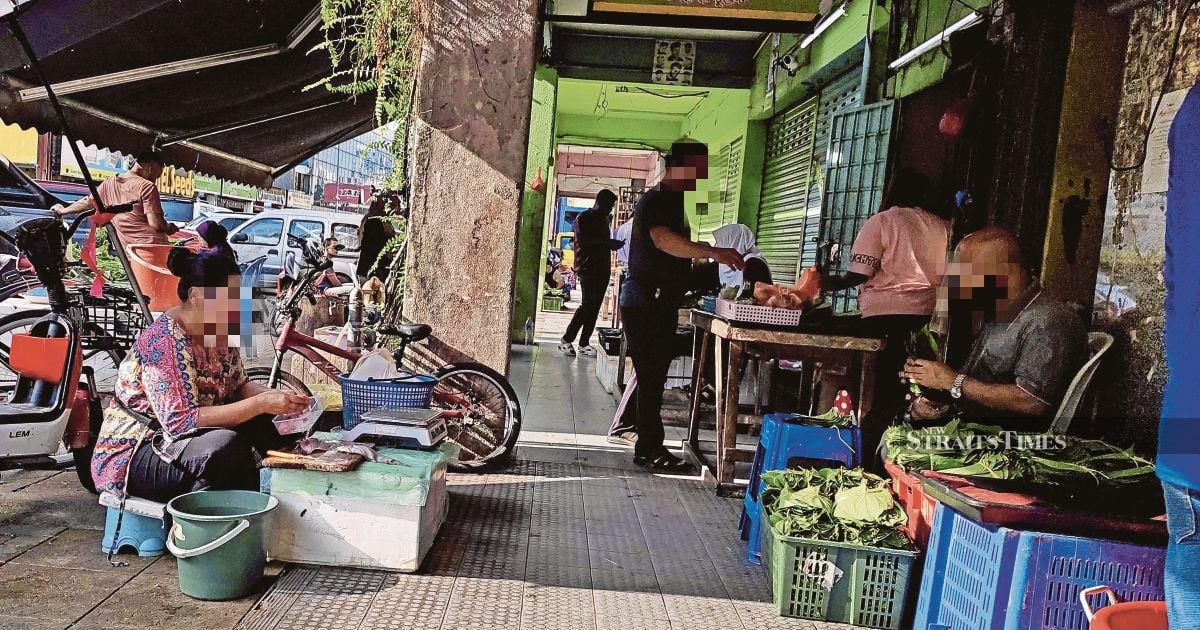
The appeals for compassion also recognize economic and social contributions Rohingya have made within Malaysian communities. Many have established informal businesses, participated in labor markets despite legal restrictions, and created cultural and religious institutions that have enriched urban neighborhoods. Younger Rohingya, particularly those born in Malaysia or arriving as children, have grown up speaking Malay and holding few if any memories of Myanmar. Acknowledging these positive integrations can shift public conversation from viewing Rohingya purely through security or burden lenses toward recognizing them as participants in Malaysian society.
Government messaging on this issue influences both public opinion and policy implementation at local levels. When officials emphasize humanitarian values, it provides political cover for civil servants, NGOs, and community leaders taking inclusive approaches. Conversely, when rhetoric becomes restrictive, it can embolden discriminatory enforcement or social exclusion. Malaysia's government appears positioning itself as the voice of moderation—neither demanding wholesale absorption nor encouraging marginalization, but rather defining a sustainable middle path.
Looking forward, the government's balanced approach will likely shape how Malaysia engages with international community efforts on Rohingya issues. Whether through UNHCR resettlement programs, diplomatic pressure on Myanmar, or support for Bangladesh, Malaysia's domestic consensus on compassion combined with legal order becomes crucial. The message from Putrajaya essentially asks Malaysians to expand their circle of concern while remaining realistic about what is achievable.
The underlying challenge remains: can public discourse on refugee and minority issues mature beyond polarized positions? The government's reminder suggests officials believe it can, but only if political leaders, media organizations, and citizens consciously choose nuance over simplification. For Southeast Asia watching Malaysia's approach, the precedent being set carries significance for how the region will handle future displacement crises, climate migration, and communal tensions that will inevitably emerge in coming decades.