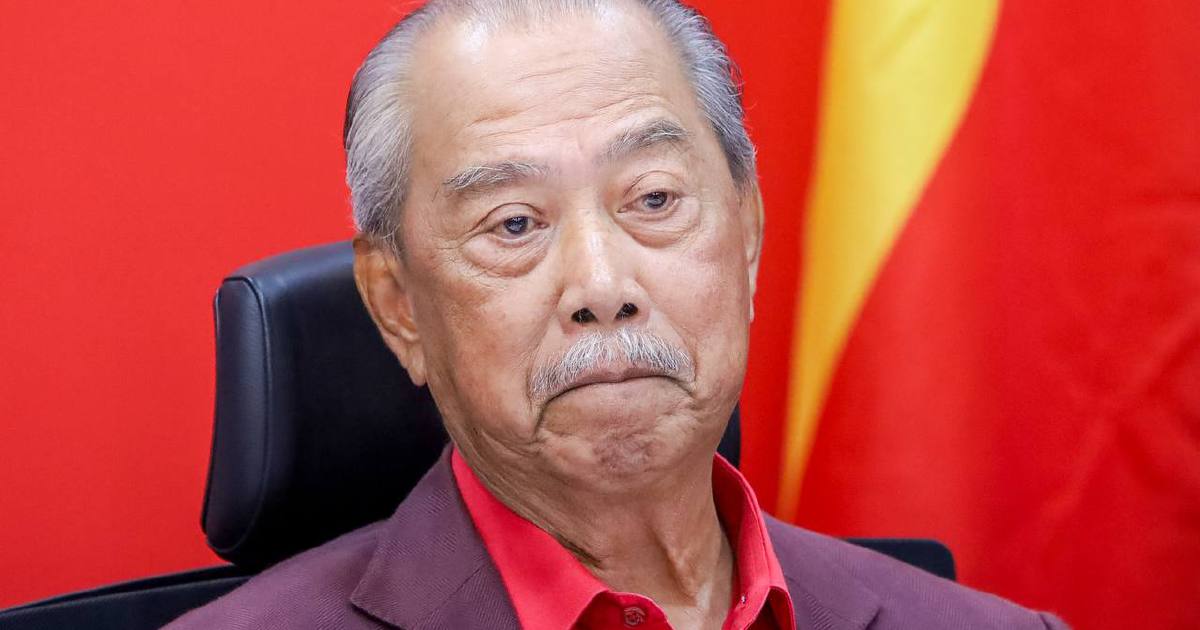
Parti Pribumi Bersatu Malaysia (Bersatu) is staying the course with Perikatan Nasional (PN), with party president Tan Sri Muhyiddin Yassin confirming that the coalition partnership remains intact. The decision carries particular significance as both Johor and Negri Sembilan prepare for state-level elections, representing critical battlegrounds where the PN alliance aims to strengthen its political footprint across Malaysia's peninsular geography.
Muhyiddin's announcement reaffirms Bersatu's commitment to the PN platform after months of political speculation about potential realignments within Malaysia's fractious opposition bloc. The coalition, which has positioned itself as an alternative to the ruling Pakatan Harapan government, faces a pivotal moment as state elections loom. By explicitly pledging to contest under the PN logo rather than fielding candidates independently, Bersatu demonstrates its intention to prioritise collective strength over individual party branding in these contests.
The decision to maintain the coalition identity carries strategic implications for electoral performance. Using a unified PN symbol allows the alliance to present voters with a consolidated alternative to the incumbent administrations in both states, potentially streamlining campaign messaging and reducing the confusion that typically emerges when coalition partners run separate campaigns. This approach reflects lessons learned from previous multiparty contests where fragmented opposition votes allowed dominant parties to secure victories with reduced plurality support.
Johor holds particular electoral weight within Malaysian politics, given its status as the second-largest state by population and its historical influence as a Barisan Nasional stronghold. Recent electoral trends in the state have shown competitive dynamics, with neither the government nor opposition commanding overwhelming dominance. The decision by Bersatu to contest jointly under the PN banner suggests confidence in the coalition's ability to challenge Johor's current administration, while the unified approach aims to consolidate anti-government sentiment behind a single electoral alternative.
Negri Sembilan, meanwhile, represents a different but equally important contest for the coalition. The state has experienced political volatility in recent years, and PN's determination to field candidates there indicates ambitions to expand its territorial control. For Bersatu specifically, these state contests offer opportunities to demonstrate grassroots support and build legitimacy across demographic segments beyond the party's core constituencies.
The timing of Muhyiddin's statement also addresses internal party dynamics. Maintaining coalition membership while securing resources and prominence for Bersatu's candidates requires careful political management. By announcing the decision publicly, the Bersatu president signals to the party membership that internal debates about the coalition's future have been resolved, at least for the immediate electoral cycle. This provides clarity for party machinery at federal and state levels as they prepare campaign infrastructure and resource allocation.
From a broader Malaysian political perspective, Bersatu's reaffirmation of PN commitment reflects the complex landscape of opposition politics. While Pakatan Harapan remains the largest government coalition at federal level, PN has carved out substantial electoral appeal in certain regions and among specific voter demographics. The upcoming state elections will provide crucial data about which opposition narrative resonates with voters in Johor and Negri Sembilan, and whether the PN alliance can translate anti-incumbent sentiment into actual legislative seats.
The coalition branding strategy also has implications for inter-party dynamics within PN itself. Other members, including PAS and parties within the Gabungan Rakyat Semesta framework, will observe how Bersatu's commitment translates into actual campaign coordination and candidate nomination decisions. Tensions frequently emerge in multi-party alliances when allocation of winnable seats becomes the critical battleground, and the coming months will test whether PN's constituent parties can maintain unity of purpose despite such internal pressures.
For Malaysian voters in both states, the PN coalition's unified approach means they will encounter a more structured opposition alternative than they might have if Bersatu had chosen to contest independently. This could simplify electoral choice on one level, though it also potentially obscures individual party positions on state-specific issues where different PN members might otherwise have offered distinct policy emphases. The coalition brand homogenises messaging, which carries both strategic advantages and potential vulnerabilities when specific state concerns demand tailored responses.
Looking ahead, Muhyiddin's announcement establishes a foundation for coordinated PN campaigning in these contests, though significant logistical and political challenges remain. Determining which PN members contest which seats, ensuring equitable distribution of campaign resources, and maintaining public unity while managing internal disagreements will occupy coalition leadership in the lead-up to voting day. The success or failure of this collaborative approach in Johor and Negri Sembilan may well influence whether PN pursues similar coalition strategies in future electoral contests or reverts to more independent party positioning.