The sustainability of Bersatu's presence within the Perikatan Nasional coalition has come under sharp scrutiny, with PAS treasurer Iskandar Abdul Samad suggesting the party occupies an increasingly untenable position that threatens its operational effectiveness. His statement represents a significant moment of internal pressure within a coalition that has formed the backbone of Malaysia's federal government structure, raising questions about the stability of the three-part alliance between Bersatu, PAS, and Umno.
Iskandar's comments underscore deepening fissures within PN as the coalition navigates a complex political environment marked by competing interests and strategic divergences among its constituent members. The treasurer's willingness to voice such criticism publicly signals that concerns about Bersatu's role have moved beyond private coalition discussions into the realm of open party discourse, a development that typically precedes substantive shifts in political alignment.
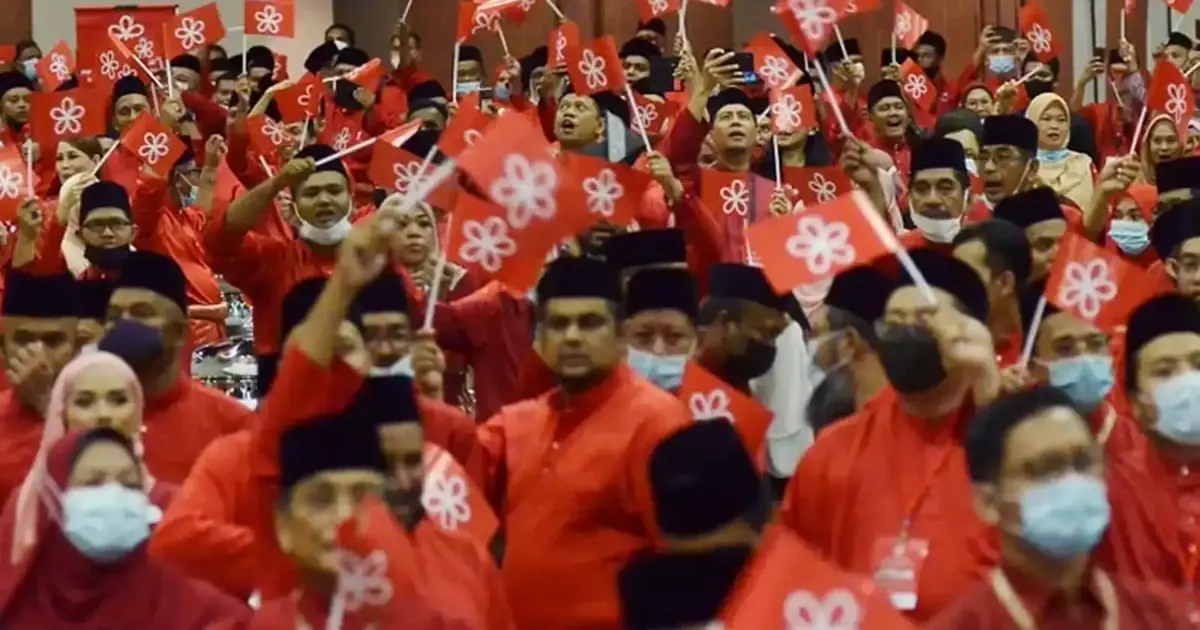
Bersatu, led by former Prime Minister Muhyiddin Yassin, joined the federal coalition landscape following the 2022 general election aftermath, becoming instrumental in the formation of the current government structure. However, the party's position has faced recurring strain as it navigates the challenge of maintaining relevance within a partnership dominated by larger, more established players with deeper organizational roots and broader grassroots support networks.
The party's difficulties extend beyond mere numbers within parliamentary caucuses. Bersatu has confronted persistent questions about its organizational coherence, with internal faction disputes occasionally spilling into public view and creating operational complications. Additionally, the party's limited geographical presence and concentrated support base in certain states have restricted its capacity to mount effective campaigns and recruit candidates across Malaysia's diverse electoral landscape.
Within the PN framework, Bersatu faces structural disadvantages that have become increasingly apparent. While PAS commands substantial influence through its traditional strongholds in the northeast peninsula and growing support in urban centres, and Umno maintains a broad organizational apparatus with deep roots in virtually every state, Bersatu operates without comparable institutional infrastructure. This imbalance has meant the party frequently finds itself dependent on its coalition partners for political advancement and resource allocation.
The broader political environment has shifted in ways that magnify these vulnerabilities. The emergence of competing coalitions, ongoing debates about government direction, and evolving voter preferences have created a marketplace where smaller coalition partners must constantly justify their continued participation. Bersatu's inability to demonstrate unique value propositions or secure tangible achievements for its supporters has intensified scrutiny regarding its long-term viability within the arrangement.
Iskandar's intervention carries particular weight given PAS's strong institutional position within PN. The Islamic party's willingness to question another coalition member's sustainability suggests calculations within the leadership regarding the coalition's future direction and composition. Such statements typically reflect broader consensus among senior party figures and should not be dismissed as isolated commentary from a single official.
For Malaysian observers and political analysts, the treasurer's remarks highlight the inherent instability of coalition arrangements dependent on parties with vastly different organizational capacities and political constituencies. Coalitions serve crucial functions in delivering stable government, yet they require careful management and regular recalibration to maintain coherence, particularly when composed of partners with unequal influence and resources.
The implications extend beyond immediate coalition dynamics. Bersatu's potential withdrawal or diminished role within PN could reshape parliamentary mathematics and force recalculations across Malaysia's political landscape. Other smaller parties, particularly those considering coalition options, will monitor developments closely as indicators of whether junior partners can sustain meaningful roles within larger arrangements or whether they ultimately face marginalization.
For the government's legislative agenda, any coalition reconfiguration could introduce unpredictability into parliamentary proceedings and complicate the passage of proposed legislation. Stability in government requires reliable coalition partners, and sustained questions about any member's sustainability inevitably create uncertainty that affects policy implementation and long-term planning.
The situation also reflects broader trends in Malaysian coalition politics where structural imbalances between partners frequently breed tension. Unlike democracies where coalition stability typically depends on shared ideological commitments and electoral pacts, Malaysian coalitions often reflect pragmatic combinations of convenience, making them vulnerable to shifts in political fortunes or the emergence of alternative arrangements.
Looking forward, Bersatu faces critical decisions about its strategic direction. The party might seek to strengthen its organizational capacity through recruitment and institutional development, attempt to negotiate more favourable terms within PN, or explore alternative political partnerships altogether. Each path carries significant risks and uncertain outcomes in Malaysia's volatile political environment, where party fortunes can shift rapidly in response to electoral cycles and leadership changes.