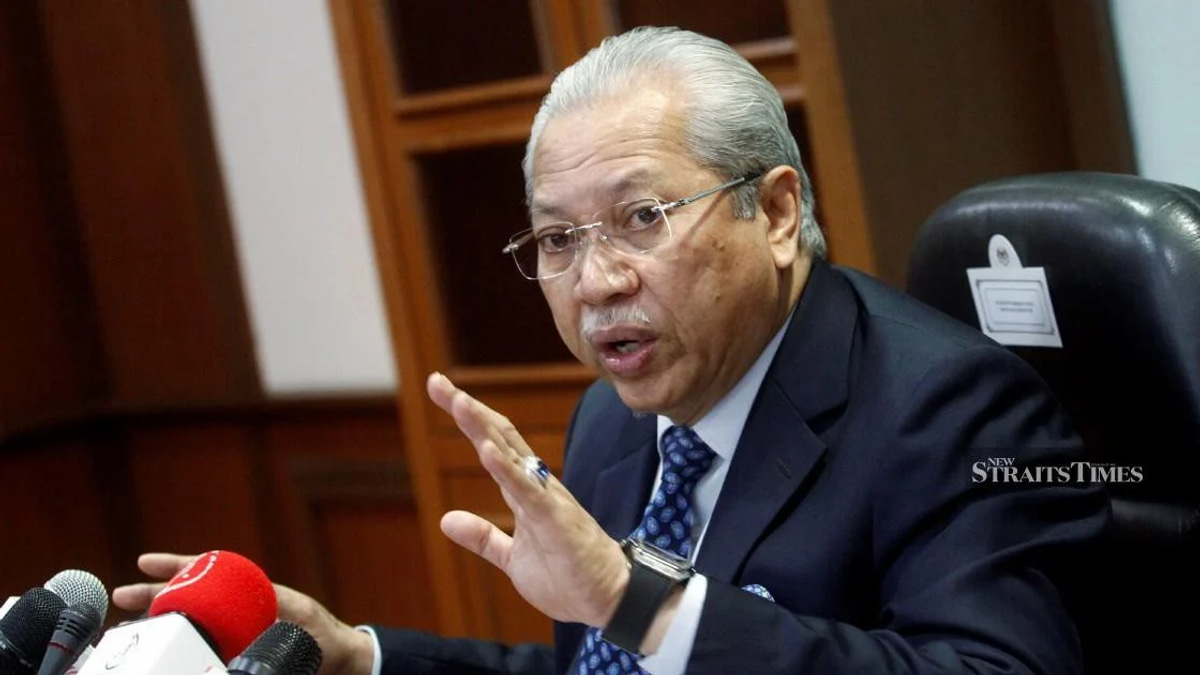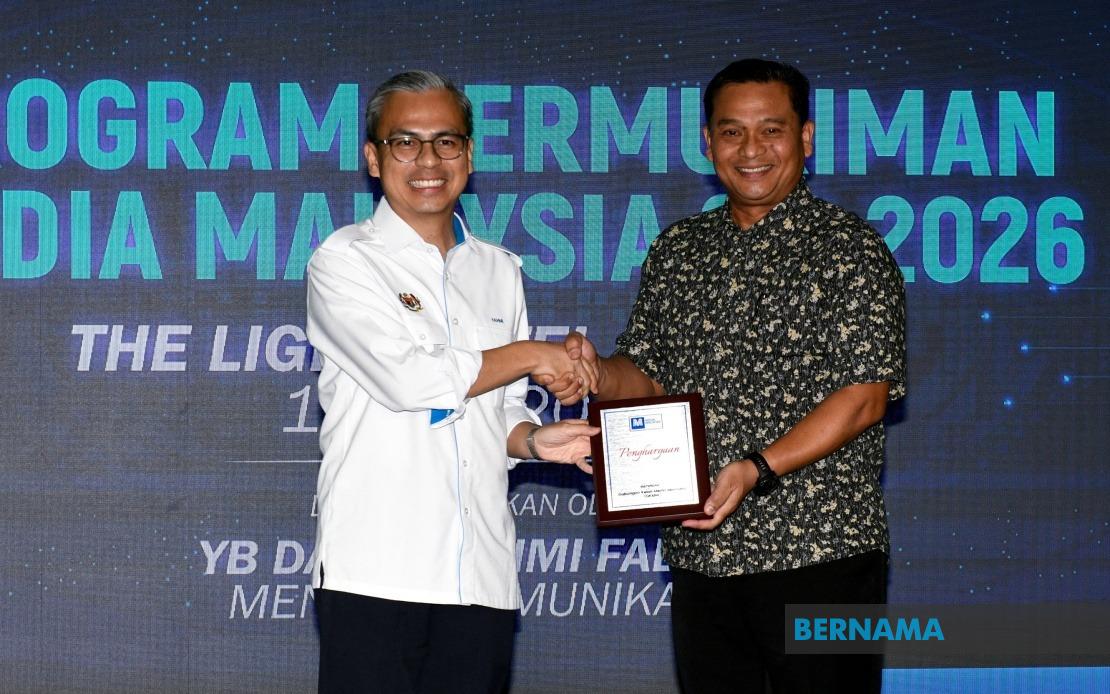
Communications Minister Datuk Fahmi Fadzil has unveiled a fresh funding initiative aimed at bolstering Malaysia's journalism sector, pledging RM10,000 to each state media club under the Malaysian Media Clubs Association (GKMM) umbrella, whilst allocating an additional RM30,000 to the association to underwrite welfare-focused activities and programmes for journalists. The announcement was made during the Malaysia Media Retreat Programme 2.0 in Butterworth on June 19, signalling the government's continued commitment to supporting the fourth estate amid evolving media landscapes and economic pressures facing newsrooms across the country.
Fahmi expressed optimism that the financial injections would be deployed strategically to enhance conditions for media professionals. He emphasised the critical importance of ensuring these contributions directly benefit journalism practitioners, framing the initiative as evidence of the Communications Ministry's determination to preserve and strengthen the profession. The funding represents a tangible expression of support at a time when many media organisations grapple with declining advertising revenues and the structural challenges of digital transformation.
The minister articulated a compelling defence of journalism's irreplaceable role in democratic societies, arguing forcefully that artificial intelligence cannot substitute for the human judgment, ethical grounding, and ground-truth verification that trained journalists provide. This statement carries particular resonance in Malaysia, where concerns about media independence and journalistic capacity have periodically dominated policy discourse. By reaffirming that "without journalists, there is no news," Fahmi positioned job preservation in the media industry as a governmental priority rather than a market-determined outcome.
Though GKMM operates outside the formal labour union framework, Fahmi acknowledged its legitimate function as an advocacy platform through which media practitioners can channel grievances and concerns to policymakers. This recognition reflects an understanding that professional associations can meaningfully represent sectoral interests even without statutory bargaining rights. The allocation to GKMM signals that the government views the body as a legitimate interlocutor in discussions about journalist welfare and industry health, potentially expanding the association's capacity to advocate on behalf of members across Malaysia's diverse media landscape.
The Communications Ministry's engagement with GKMM extends beyond financial transfers. Fahmi noted the association's potential to elevate concerns about journalism's future trajectory, ranging from economic sustainability to professional standards and ethical practice. In Malaysian context, where media pluralism remains contested and economic viability of independent journalism remains precarious, institutional forums like GKMM take on heightened significance as spaces where the profession can articulate collective positions to government and the public.
Fahmi referenced the government's consultative approach during the formulation of the Malaysian Media Council Act, citing extensive engagement with industry stakeholders and incorporating their suggestions into the legislative framework. This invocation of collaborative policymaking suggests the administration views ongoing dialogue with journalists and their representatives as essential to developing media regulation that commands professional legitimacy. For Malaysia's journalism sector, such engagement mechanisms matter significantly in determining whether regulations enhance or constrain editorial independence.
The funding announcement occurs against a backdrop of structural transformation in global journalism. Digital disruption has fundamentally altered economic models that previously sustained newsrooms, forcing media organisations to navigate simultaneous challenges of audience migration, advertising fragmentation, and rising costs of investigative work. Government financial support, whether direct or channelled through professional associations, becomes an important stabiliser for journalism's institutional capacity at a moment when market forces alone prove insufficient to maintain robust reporting infrastructure.
From a Southeast Asian perspective, Malaysia's approach merits comparative attention. The region's media sectors face similar pressures from technological disruption and economic competition, yet policy responses vary considerably across countries. By explicitly linking journalist welfare to broader strategic interests in information quality and democratic functioning, Fahmi articulates a framework positioning journalism not merely as a commercial enterprise but as a public good warranting government concern. Such framing could influence how peer countries approach media policy.
The composition of the retreat's attendees—including Communications Ministry secretary-general Datuk Abdul Halim Hamzah, Bernama chief executive Datin Paduka Nur-ul Afida Kamaludin, and Bernama editor-in-chief Arul Rajoo Durar Raj—underscores the event's significance within official circles. The presence of the national news agency's leadership indicates government recognition that state media institutions have stakes in how broader journalistic conditions evolve and that addressing professional welfare cuts across public and private sector boundaries.
Implementation logistics will determine whether this initiative generates meaningful impact for journalists operating in smaller states or less commercially viable markets. The RM10,000 allocation per state club requires careful planning to translate into tangible benefits—whether through training programmes, mental health support, professional development, or advocacy initiatives. GKMM's stewardship of the RM30,000 allocation will likewise shape whether these funds catalyse substantive improvements in journalist welfare across Malaysia's federated structure.
Looking forward, this funding mechanism may establish precedent for sustained government engagement with journalist welfare as distinct from broader media regulation. Malaysian policymakers appear increasingly cognisant that journalism's institutional viability depends not only on regulatory frameworks but also on the professional conditions, economic sustainability, and sense of security that allow journalists to perform their work effectively. The announcement suggests recognition that abandoning journalism to purely market forces risks eroding reporting capacity in ways that ultimately undermine the information ecosystems upon which informed citizenship depends.