Perikatan Nasional has imposed stricter governance controls over the use of its name for any activities or meetings, requiring prior authorization from coalition chairman Datuk Seri Dr Ahmad Samsuri Mokhtar. The directive, announced through secretary-general Datuk Seri Takiyuddin Hassan on June 19, follows official correspondence from the Registrar of Societies addressing the coalition's administrative framework and operational procedures.
The timing of this announcement reflects heightened attention to internal governance structures within Malaysia's opposition alliance. The ROS letter dated June 19, 2026, formally acknowledged receipt of minutes from the PN Supreme Council's extraordinary meeting held on February 22, 2026, which documented the resignation of the previous chairman and appointment of the current leadership. This bureaucratic formality underscores the regulatory oversight that political coalitions must maintain with state authorities, particularly regarding leadership transitions and organizational restructuring.
Takiyuddin emphasized that the coalition has also provided the ROS with documentation from the Supreme Council Meeting No. 1/2026 conducted on March 14, 2026, including comprehensive records of newly appointed leadership positions and revised committee memberships. By formally registering these changes with the ROS, PN demonstrates its commitment to compliance with the Societies Act 1966 (Act 832), the legal framework governing political organizations and coalitions in Malaysia. This procedural transparency represents a departure from the sometimes opaque internal dynamics that characterize opposition politics.
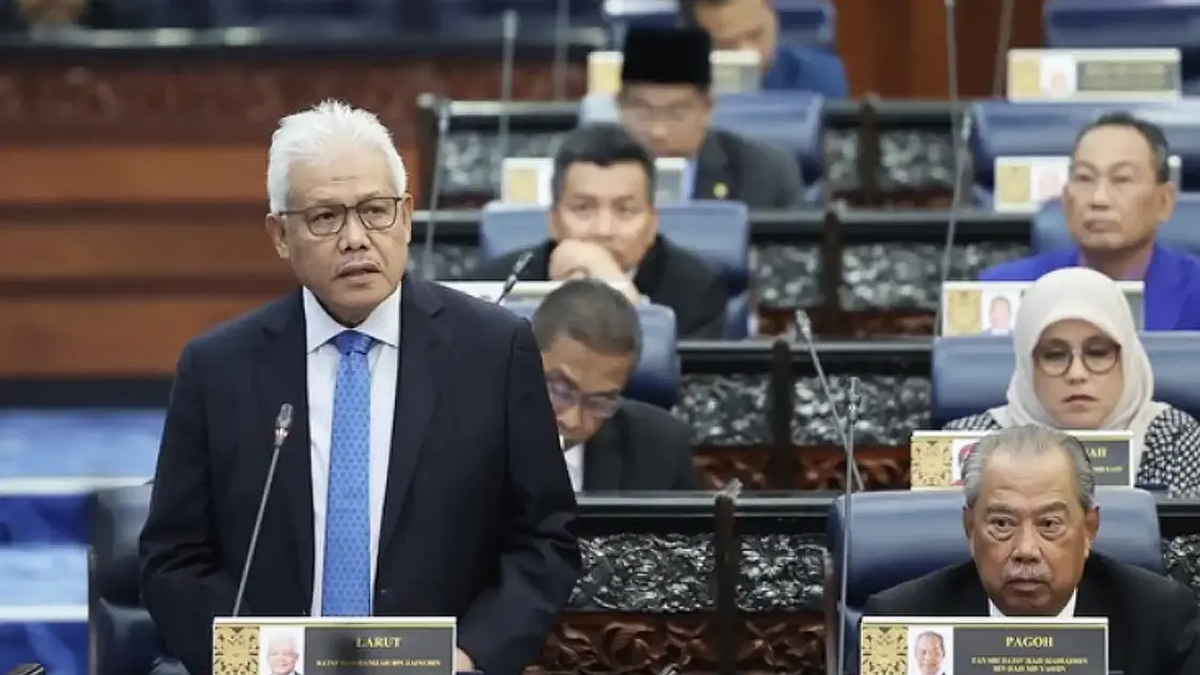
The stricter approval requirements emerge against a backdrop of recent discord within the coalition. Social media circulated an AI-generated poster announcing a PN Supreme Council meeting allegedly presided over by Bersatu president Tan Sri Muhyiddin Yassin. However, Bersatu secretary-general Datuk Seri Mohamed Azmin Ali categorically rejected the claim that such a meeting was planned or that Muhyiddin would chair it. The incident exposed vulnerabilities in managing the coalition's public communications and preventing misuse of its institutional apparatus.
This episode illustrates broader tensions within Perikatan Nasional, which comprises Bersatu, PAS, and other parties with occasionally divergent political interests. The requirement for centralized approval mechanisms from the chairman's office represents an attempt to prevent individual component parties or factions from unilaterally organizing activities under the coalition banner without broader consensus. Such governance tightening is not uncommon in multi-party coalitions, where competing power centers can generate confusion or internal conflict if activities proceed without coordination.
For Malaysian political observers, the development signals PN's effort to project organizational discipline and legitimacy at a time when opposition coalitions face scrutiny regarding their capacity to govern coherently. The explicit reference to Act 832 compliance underscores that political coalitions are subject to regulatory frameworks designed to ensure democratic accountability and transparent operations. Coalition leadership recognizes that operational chaos or perceived mismanagement can undermine public confidence and provide ammunition to political opponents.
The ROS's formal acknowledgment of PN's leadership changes and committee restructuring carries significance beyond administrative formality. It establishes an official record of organizational modifications that may become relevant in future disputes over representation, decision-making authority, or legitimacy within the coalition. By maintaining rigorous documentation standards, PN creates a verifiable audit trail that protects the organization against challenges to its leadership structure or claims that leadership transitions occurred without proper procedures.
Takiyuddin's statement reaffirms the coalition's commitment to constitutional governance and regulatory compliance across all administrative functions. This language suggests that previous operational patterns may have fallen short of expected standards, necessitating formal reassertion of governance principles. In the context of Malaysian politics, where parties have historically struggled with internal democracy and transparent decision-making, such emphatic commitments represent responses to both external regulatory expectations and internal stakeholder demands for accountability.
The directive also addresses the practical challenge of coalition management in an environment where digital communication enables rapid organization of activities outside traditional hierarchical channels. By requiring chairman approval for any activity bearing the coalition's name, PN establishes a gatekeeping mechanism designed to prevent proliferation of unauthorized events or misleading representations of coalition positions. This proves particularly important for coalitions comprising multiple parties with distinct organizational structures and communication protocols.
For Southeast Asian coalition politics more broadly, PN's experience reflects universal challenges that multi-party alliances confront when attempting to balance autonomy for constituent parties against the need for coordinated strategic action. The requirement for centralized approval can enhance coherence and prevent damaging internal conflicts, but may also breed resentment among partner parties feeling constrained by bureaucratic procedures. The sustainability of PN's governance reforms will depend on whether partner parties view the approval process as legitimate coordination or as domination by the coalition center.
Moving forward, the implementation of these procedures will test PN's capacity to administer consistent governance standards while maintaining the political flexibility necessary for opposition coalition survival. The framework also establishes clearer lines of accountability that may help resolve future disputes over whether particular activities or statements legitimately represent the coalition's collective position or constitute unauthorized actions by individual parties. As Malaysian opposition politics continue evolving, such institutional refinements may prove instrumental in determining which coalitions can maintain functional unity and credibility with the electorate.