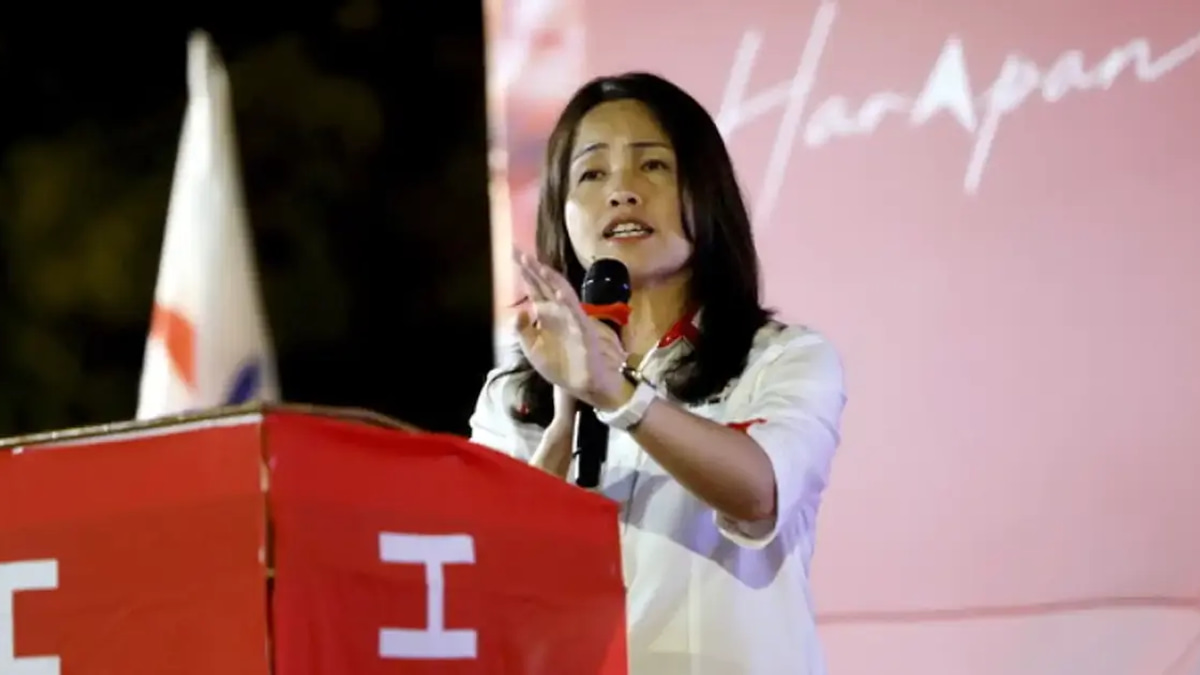
Johor DAP chairman Teo Nie Ching has raised concerns about what she characterizes as a coordinated campaign employing falsified campaign materials, alleging that opposition figures have deliberately manipulated posters purporting to show Pakatan Harapan candidates to erode voter confidence in the coalition ahead of Johor state elections.
The allegations underscore escalating tensions in the competitive Johor political landscape, where the stakes remain exceptionally high for both Pakatan Harapan and its rivals. Johor remains a bellwether state in Malaysian politics, with state-level results frequently prefiguring broader national electoral trends. The Johor electorate has historically demonstrated considerable volatility, swinging between coalitions depending on prevailing sentiments regarding governance and leadership performance.
Teo's assertion that manipulation of campaign visuals is occurring reflects a troubling trend in contemporary Malaysian electoral politics. The weaponization of digital and print media for candidate misrepresentation has become an increasingly sophisticated tool for undermining opposition coalitions. By circulating posters bearing altered images or misleading information ostensibly attributable to PH candidates, bad actors can create confusion among voters whilst maintaining plausible deniability. Such tactics exploit the rapid transmission of information across social media platforms and WhatsApp groups, where verification remains minimal.
The strategic purpose underlying such activities appears calculated to generate negative sentiment toward Pakatan Harapan by implying party positions or commitments that candidates neither endorse nor intend. When voters encounter these manipulated materials, they may develop distorted impressions of coalition positions or individual candidates' credibility. This approach is particularly effective among less politically engaged voters who consume campaign information casually rather than through deliberate research.
For Pakatan Harapan, such allegations compound challenges associated with campaign management in a competitive state where coalition cohesion and voter messaging must remain tightly controlled. The coalition comprises multiple parties with occasionally divergent policy priorities, and effective communication requires presenting a unified front to voters. Uncontrolled dissemination of false or manipulated campaign materials can fracture this messaging discipline and create openings for opponents to exploit internal divisions.
The implications extend beyond immediate electoral concerns in Johor. Allegations of systematic poster manipulation highlight the broader vulnerability of Malaysia's electoral environment to misinformation campaigns. Unlike traditional elections where voters received information primarily through controlled mainstream media channels, contemporary campaigns occur across fragmented digital ecosystems where content verification remains limited. Candidates and parties must constantly counter false narratives whilst simultaneously delivering affirmative messaging—a resource-intensive endeavor that often advantages well-funded actors.
Johor's political significance means that developments there reverberate throughout Southeast Asia's largest economy. The state accounts for approximately 15 percent of Malaysia's population and represents substantial economic output, particularly in port operations, petrochemicals, and manufacturing. Electoral outcomes in Johor consequently influence investor confidence, policy direction at state level, and the broader political atmosphere affecting businesses operating across Malaysia.
Teo's public articulation of these concerns signals that Pakatan Harapan intends to highlight opponent tactics to voters rather than silently absorbing the effects of such campaigns. By publicizing alleged manipulation efforts, the DAP leader hopes to inoculate voters against false campaign materials by establishing advance awareness that such deceptive content circulates. The strategy assumes voters will view campaign posters with greater skepticism once primed to expect manipulation.
The allegation also implicitly raises questions about enforcement of electoral regulations and the Election Commission's capacity to manage campaign conduct across platforms and geographies. Malaysian electoral law contains provisions addressing false campaign materials, yet real-time monitoring and enforcement remain challenging, particularly when content proliferates across digital channels operating beyond government oversight capabilities.
For voters navigating the Johor electoral environment, such allegations underscore the necessity for independent verification of campaign claims and materials. Consulting official candidate statements from party websites, attending campaign events directly, and cross-referencing information across multiple sources provides more reliable foundations for electoral decisions than relying upon posters encountered in public spaces or shared through social media.
The broader question emerging from such allegations concerns systemic vulnerabilities in Malaysia's electoral integrity mechanisms. As campaign tactics grow increasingly sophisticated and campaigns increasingly decentralized across digital platforms, traditional regulatory approaches struggle to maintain pace. Achieving genuinely clean elections may require not merely reactive enforcement against detected violations, but proactive investment in voter literacy regarding misinformation tactics and systematic platform governance addressing false content circulation.