%22%2F%3E%3C%2Fpattern%3E%3C%2Fdefs%3E%3Crect%20width%3D%22100%25%22%20height%3D%22100%25%22%20fill%3D%22url(%23ph3wgshg)%22%2F%3E%3Crect%20width%3D%22100%25%22%20height%3D%22100%25%22%20fill%3D%22url(%23ph3wgshp)%22%2F%3E%3Ctext%20x%3D%2250%25%22%20y%3D%2250%25%22%20text-anchor%3D%22middle%22%20dominant-baseline%3D%22central%22%20fill%3D%22rgba(255%2C255%2C255%2C0.95)%22%20font-family%3D%22Georgia%2C%20'Times%20New%20Roman'%2C%20serif%22%20font-weight%3D%22700%22%20font-size%3D%22226%22%20letter-spacing%3D%22-0.02em%22%3EDeputy%3C%2Ftext%3E%3C%2Fsvg%3E)
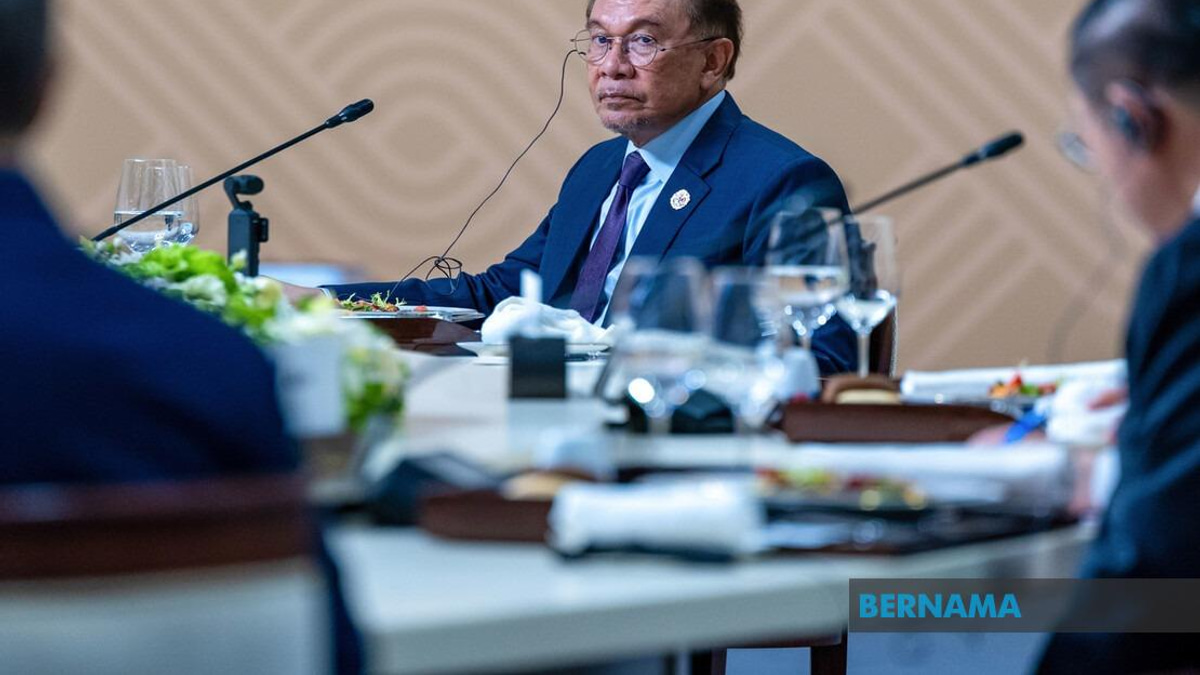
The appointment of a new chair for the Malaysia Media Council has drawn backing from a senior government figure, with Deputy Communications Minister Teo Nie Ching throwing her weight behind former Federal Court judge Nallini for the influential position. Teo's public endorsement carries particular weight given her portfolio's direct oversight of media and communications matters, signalling potential momentum for Nallini's candidacy in what represents a significant decision for the nation's media governance landscape.
Teo's support hinges substantially on Nallini's judicial track record, particularly her rulings that have historically favoured press freedom and expression rights. During her tenure on the Federal Court, Nallini delivered several landmark judgments that reinforced constitutional protections for journalists and news organisations, establishing herself as a defender of media independence during a period when press constraints were frequently contested in Malaysian courts. This jurisprudential foundation appears critical to the government's thinking about who should lead the Media Council at a time when media freedoms remain a sensitive and closely watched issue both domestically and internationally.
The Malaysia Media Council occupies a unique position within the country's institutional framework, serving as both an industry self-regulator and a bridge between government expectations and press autonomy. The appointment of its leadership therefore carries implications extending far beyond administrative personnel decisions. Nallini's judicial background, combined with her demonstrated commitment to constitutional rights, suggests the government may be attempting to project an image of commitment to institutional independence at a moment when Malaysia's media environment faces scrutiny from international press freedom organisations and civil society watchdogs.
Nallini's selection would mark a notable departure from previous council leadership models in some respects. Her judicial credentials and public record of supporting press rights could reshape how the council approaches contentious issues such as journalistic source protection, defamation proceedings against media outlets, and regulatory enforcement against news organisations. These concerns have proven particularly divisive in recent years, with tensions frequently surfacing between government communication objectives and journalistic accountability requirements.
The endorsement from Teo also reflects broader policy considerations within Malaysia's communications sector. The Deputy Minister's backing suggests alignment between executive priorities and the judicial independence perspective that Nallini represents. This convergence could facilitate smoother cooperation between government and the Media Council on future policy initiatives, though it also raises questions about whether an appointee backed by government figures can maintain sufficient distance to function as a credible self-regulatory body in journalists' eyes.
Nallini's judicial philosophy extends beyond mere press freedom rhetoric into substantive legal reasoning. Her Federal Court judgments have navigated complex territory between national security imperatives and expression rights, establishing precedents that recognise legitimate state interests while defending against overreach. This balancing act represents precisely the kind of nuanced thinking that a Media Council chair must employ when mediating disputes between government communication needs and newsroom autonomy.
The timing of this appointment decision deserves scrutiny as well. Malaysia's media landscape has undergone considerable transformation in recent years, with digital platforms fragmenting traditional audience structures and new regulatory questions emerging around online journalism, social media accountability, and digital misinformation. A Media Council led by someone with Nallini's background might be better positioned to develop contemporary governance frameworks that address these emerging challenges while maintaining foundational commitments to editorial independence.
International observers will likely view this appointment development positively, particularly if Nallini's judicial orientation toward press freedom rights translates into Media Council policies. Malaysia's ranking on global press freedom indices has fluctuated considerably, with various international organisations expressing concerns about harassment of journalists and restrictive application of defamation law. An appointment that demonstrates commitment to media independence could provide reassurance to international media bodies and potentially improve Malaysia's standing in comparative press freedom assessments.
Yet complications remain for how Nallini might operate as Media Council chair. Despite her judicial credentials supporting press freedom, she would inherit an institution charged with regulating industry standards and occasionally restraining excessive practises within newsrooms. Balancing her judicial philosophy favouring expression rights against the council's legitimate regulatory functions represents an ongoing tension. Some media observers anticipate she would bring greater transparency and consistency to council decision-making, while others worry that a judge-led council might become overly legalistic in addressing matters that sometimes require sectoral consensus rather than judicial reasoning.
The Deputy Minister's public backing also carries strategic communication value for the government, demonstrating responsiveness to press freedom concerns without necessarily committing to dramatic policy shifts. By supporting an appointee with strong judicial credentials protecting media rights, the government signals openness to institutional independence while maintaining its ability to influence council operations through appointment powers and government representation on council boards.
Looking forward, Nallini's potential elevation to the Media Council chair would establish a precedent of appointing respected judicial figures to media governance positions rather than drawing exclusively from media industry backgrounds. This could reshape the council's approach to several perennial disputes, including defamation standards, judicial reporting guidelines, and the balance between legal constraints and journalistic enterprise. Her appointment would substantially influence Malaysian media governance trajectories for years to come.