A 16-year-old female student at a school in Negeri Sembilan died on June 19, prompting Education Minister Fadhlina Sidek to appeal for compassion and discretion from the public during what she described as a deeply sensitive period for those affected. The minister's statement underscores the gravity of the incident and the need for measured responses as authorities work through the investigative process.
Fadhlina released her statement through a Facebook post, expressing condolences to the student's family and emphasising the Islamic prayer for the deceased's soul. Her remarks reflected the emotional toll such incidents place on educational institutions and families, while also signalling the ministry's commitment to supporting those connected to the tragedy. The tone of her message highlighted the balance between honouring the deceased and protecting the grieving family from unwanted public scrutiny.
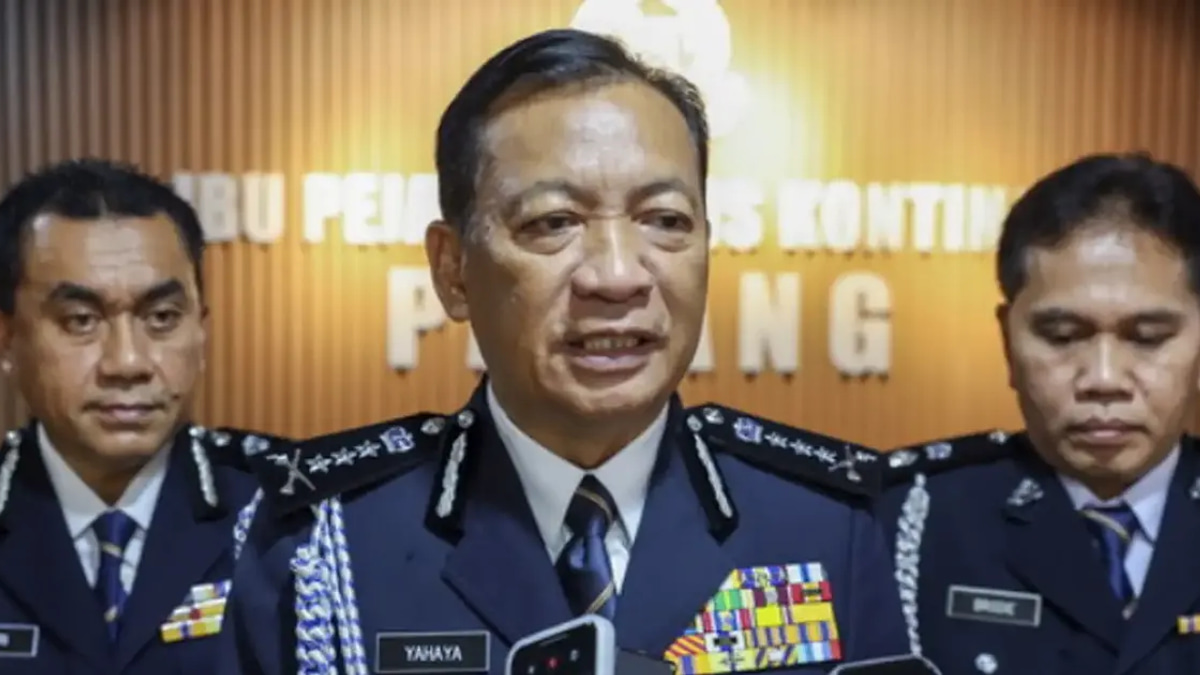
The police have launched an investigation into the circumstances surrounding the student's death. The Education Ministry has declared its full cooperation with law enforcement in establishing what occurred. This collaborative approach between educational authorities and police is standard protocol in cases involving student fatalities, particularly where the cause remains unclear and requires formal examination. Transparency in such investigations is crucial for Malaysian public institutions seeking to maintain trust and accountability.
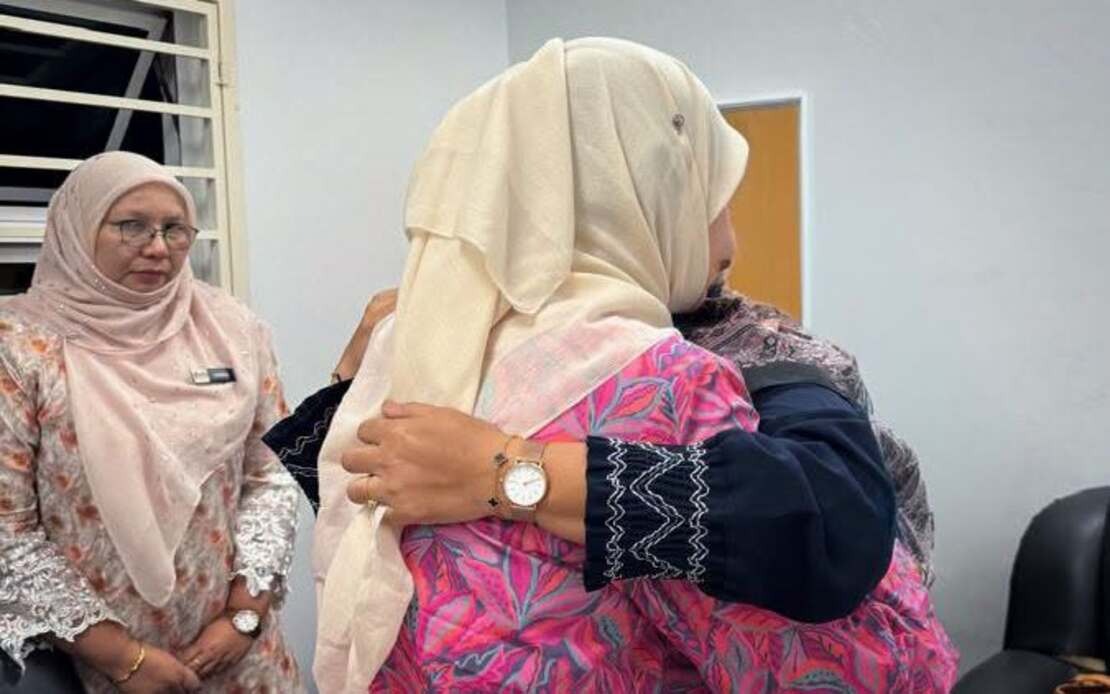
In a show of solidarity, Fadhlina and Education director-general Datuk Dr Mohd Azam Ahmad visited the student's family at Rembau Hospital to offer direct support. This personal gesture by senior government officials signals the seriousness with which the ministry treats such incidents and demonstrates institutional responsibility beyond formal statements. Hospital visits during crisis periods allow families to access information directly from officials and communicate their immediate needs and concerns.
The ministry has prioritised ensuring comprehensive assistance reaches both the grieving family and others affected by the tragedy. This includes school staff, fellow students, and the broader school community who may experience psychological distress following such an incident. Educational institutions typically activate counselling services and support mechanisms following student deaths to prevent secondary trauma among the school population.
School-related deaths, particularly among teenagers, carry significant implications for public perception of educational safety in Malaysia. Such incidents invariably prompt discussions about school facilities, duty of care standards, and support services available to students. The detailed investigation will likely examine multiple factors ranging from medical to environmental considerations, depending on the circumstances.
Fadhlina's appeal for privacy reflects international best practices in handling such tragedies, where premature speculation or sensationalised reporting can complicate grief and hamper investigations. Media responsibility during such periods remains paramount, as does public awareness of the human dignity owed to families experiencing loss. The minister's emphasis on respect demonstrates institutional sensitivity to how such matters are handled in the public sphere.
For Malaysian families with schoolchildren, such incidents inevitably raise questions about duty of care, emergency protocols, and support systems within educational settings. Schools are expected to maintain safe environments and respond appropriately to medical emergencies or welfare crises among their student populations. The investigation into this particular case will likely provide insights into whether such standards were maintained.
The incident also reflects broader regional concerns about student welfare across Southeast Asia. Malaysia, like other developing nations in the region, continues strengthening its student support infrastructure, including mental health services, emergency medical capabilities, and safeguarding protocols. Understanding incidents like this one contributes to ongoing improvements in institutional practices.
As investigations proceed, the focus will remain on understanding what led to the student's death while ensuring the family receives appropriate support. The Education Ministry's approach of combining official investigation with compassionate engagement sets a framework for handling such tragedies professionally. Public cooperation in respecting the family's privacy during this investigative phase remains essential for both procedural integrity and humanitarian considerations.