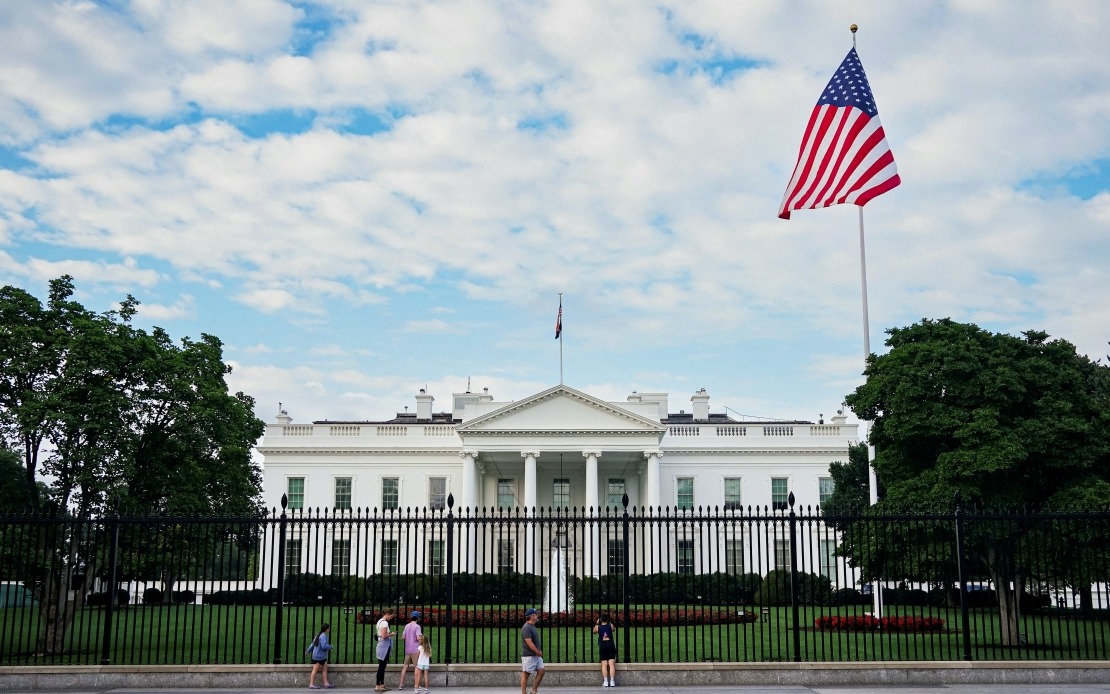
Federal authorities in the United States have announced the successful disruption of an alleged terror plot targeting a major sporting event held at the White House. The Federal Bureau of Investigation disclosed on Tuesday that it had prevented attacks planned against the UFC America 250 event, an unprecedented cage-fighting championship held on the South Lawn of the presidential residence on Sunday. The occasion marked both President Donald Trump's 80th birthday and the 250th anniversary of American independence, making it a particularly high-profile gathering that attracted roughly 4,000 spectators.
According to FBI Director Kash Patel, law enforcement agencies became aware of potential threats to the Washington, D.C. event on June 10 and moved swiftly to neutralise the danger. Patel announced via social media that multiple individuals had been taken into custody and that the alleged attacks had been prevented from materialising. This disclosure represents one of the most significant security interventions for a presidential event in recent years, highlighting the ongoing challenges facing US authorities in protecting high-profile gatherings against extremist threats.
Investigators have revealed troubling details about the alleged operational plan. According to officials cited by Fox News, the plotters purportedly intended to deploy explosive-laden drones to strike buildings in proximity to the venue. The strategy allegedly aimed to trigger a mass panic and force large crowds to evacuate towards a predetermined location where an armed sniper team had been positioned. This coordinated multi-stage approach suggests a level of planning and coordination that authorities viewed as a serious and imminent threat requiring immediate intervention.
The scope of the alleged conspiracy extended beyond those immediately apprehended. While five individuals were in custody by Monday, investigators have identified a broader network of approximately 23 people suspected of involvement in the plotting. More alarming still, law enforcement detected indications that a second wave of coordinated violence was being prepared, with operatives allegedly planning to storm the White House gate itself. This revelation suggests a conspiracy far larger than the initial wave of arrests and indicates that multiple cells or individuals may have been working in concert towards overlapping objectives.
The UFC event itself had faced legal challenges before it could proceed. Two Virginia residents filed suit against the federal government, contending that hosting a combat sports event on the White House grounds was unlawful and represented an inappropriate use of presidential property. The legal dispute reached the US District Court for the District of Columbia, where a federal judge ultimately sided with the government on Friday, declining to block the event and allowing it to proceed as scheduled. This judicial decision cleared the way for the unprecedented gathering, though it occurred against the backdrop of heightened security concerns now revealed to the public.
The thwarted attack represents merely one incident within a troubling pattern of political violence affecting the United States. In April of this year, another individual breached security at the White House Correspondents' Dinner, armed with guns and knives, and was subsequently charged with attempting to assassinate the president. These incidents illustrate a concerning trend of individuals or groups attempting to breach or target presidential venues and events, placing extraordinary pressure on Secret Service and FBI personnel responsible for protecting national leadership.
From a security perspective, the incident raises questions about how extremist networks form, communicate, and plan coordinated action in an increasingly digital environment. The identification of 23 individuals across what investigators characterised as a network suggests that threat detection systems are identifying larger conspiratorial ecosystems before they can mobilise into violence. However, the ongoing frequency of such plots indicates that radicalization pathways continue to develop faster than intervention capabilities can fully address them.
For Malaysian and Southeast Asian observers, this episode offers important context about security challenges facing democratic nations with open political systems. While Malaysia and regional countries face distinct domestic security threats, the American experience demonstrates how large public gatherings, especially those with political significance, require extensive coordination between intelligence agencies, law enforcement, and event security. The scale and sophistication of resources deployed for a single event—including drone detection, sniper team positioning, and intelligence network development—illustrates the contemporary complexity of event security.
The incident also underscores the tension between security and openness that democratic societies navigate. Despite the alleged plot, the event proceeded with approximately 4,000 attendees gathered on what is normally one of the most restricted and heavily fortified pieces of real estate in Washington. The decision to hold the event, arrest the suspects, and proceed reflects a democratic society choosing not to be deterred by threats, while simultaneously deploying unprecedented security measures to manage those threats.
Moving forward, the revelations about this alleged conspiracy will likely influence how American authorities plan major public events at sensitive locations. The identification of extensive networks of plotters ahead of the event suggests that intelligence gathering, social media monitoring, and cooperative law enforcement coordination have matured significantly in detecting multi-person conspiracies. However, each successful interdiction raises the question of how many plots are disrupted without public disclosure, and whether the public can ever fully understand the threat environment facing the nation's leaders and public spaces.