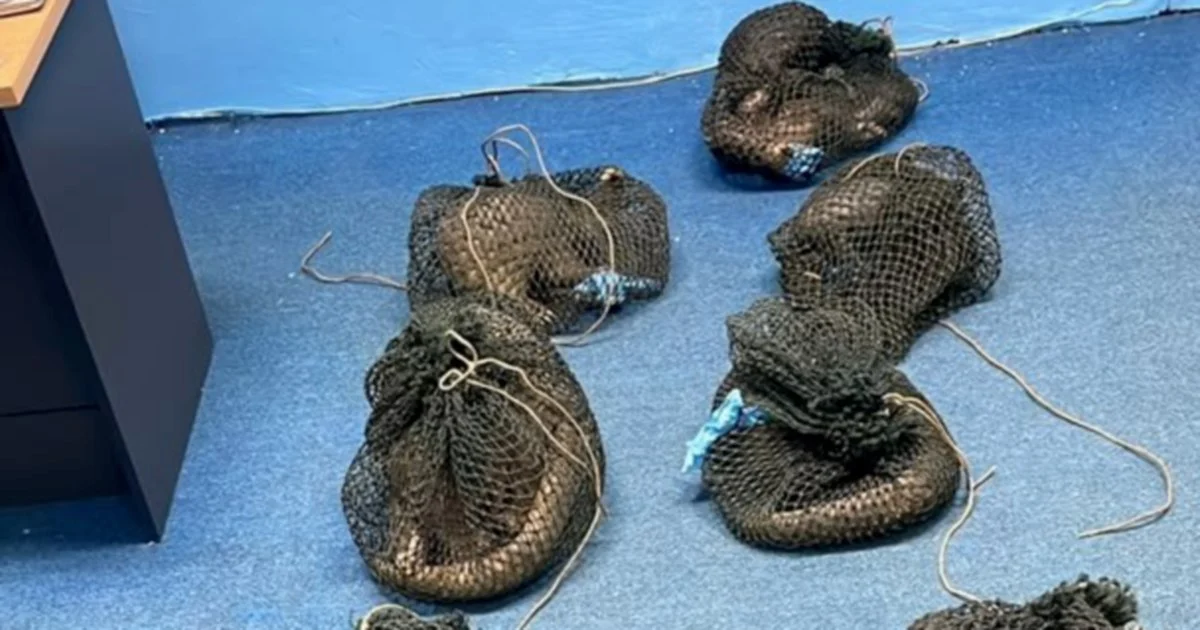
A 27-year-old Filipino national faces wildlife trafficking charges after enforcement officers raided a rural plantation in Kinabatangan and discovered 10 living pangolins along with an elephant tusk in his possession. The operation unfolded in Kampung Paris 3, where officers acting on intelligence conducted a thorough search that uncovered the protected animals in makeshift enclosures. The suspect's detention marks the latest in a series of enforcement actions targeting illegal wildlife trade networks operating across Sabah's porous borders.
Pangolins rank among the world's most trafficked mammals, hunted extensively for their scales, which command premium prices in traditional medicine markets across Asia, particularly in China and Vietnam. The scales are processed into remedies despite scientific evidence showing no medicinal value, yet demand remains robust in underground markets. Their meat is also sought in certain regions as a delicacy, creating a powerful economic incentive for poachers and smugglers. The discovery of ten individuals represents a significant haul, suggesting organised trafficking operations rather than opportunistic poaching.
The presence of an elephant tusk alongside the pangolins indicates the operation likely served as a consolidation point for multiple contraband species destined for onward smuggling. Elephant ivory continues commanding extraordinary prices, particularly in Southeast Asian markets where it is carved into ornaments and religious items. The combination of species suggests either a sophisticated trafficking network coordinating multiple supply chains or a storage facility serving multiple smuggling syndicates. Such discoveries provide enforcement agencies crucial intelligence about trafficking routes and consolidation points.
Sabah faces particular vulnerability to wildlife smuggling due to its location on Borneo, home to exceptional biodiversity and significant populations of pangolins, elephants, and rhinoceroses. The state's extensive coastline and numerous ports create numerous transit points for contraband shipments heading toward international markets. Rural agricultural areas, particularly plantation zones, frequently serve as holding stations where animals are temporarily housed before transportation. The prevalence of such operations suggests trafficking networks have established relatively secure logistics chains within the state.
The arrest reflects enhanced vigilance from Sabah's wildlife enforcement agencies, though experts note that apprehensions represent only a fraction of trafficking activities. Law enforcement estimates suggest that for every animal successfully intercepted, multiple others reach their destinations undetected. The volume of contraband discovered in individual operations has remained relatively consistent over recent years, but the sophistication and coordination of trafficking networks continues evolving. Traffickers employ increasingly complex methods to evade detection, including hidden compartments in vehicles and documentation falsification.
Pangolin populations across Southeast Asia have declined precipitously, with several species now considered vulnerable or endangered by international conservation bodies. Once relatively abundant in Malaysian forests, the animals have become increasingly scarce in the wild as trapping intensifies. The loss of pangolin populations from wild ecosystems disrupts ecological balance, as these specialised ant-eaters play crucial roles in forest food webs. Beyond ecological consequences, pangolin trafficking generates significant economic losses to developing nations through lost biological resources and enforcement costs.
The suspect's nationality points toward the significant role foreign nationals play in regional wildlife smuggling operations. Many trafficking rings recruit operational personnel from neighbouring countries, providing them compensation while compartmentalising network structure to limit exposure if arrests occur. This arrangement allows kingpins to maintain distance from direct contraband possession, complicating prosecution efforts. The individual detained likely occupied a lower tier within a larger operation, responsible for animal custody rather than higher-level coordination or financing.
Malaysia and neighbouring nations have strengthened bilateral cooperation on wildlife enforcement in recent years, with Sabah serving as a critical focal point. However, intelligence-sharing remains inconsistent, and coordination challenges hamper efforts to dismantle trafficking networks operating across borders. The sophistication of transnational smuggling operations frequently outpaces capacity of individual nations to respond effectively. Regional law enforcement agencies increasingly recognise that confronting wildlife trafficking requires unprecedented cooperation and resource sharing.
Conservationists emphasise that enforcement actions alone cannot reverse wildlife trafficking without simultaneous reduction in demand. Market interventions targeting consumers of pangolin scales and elephant ivory remain essential to reducing incentives driving poaching. Public awareness campaigns highlighting trafficking's ecological and health consequences have shown modest success in some markets. The COVID-19 pandemic renewed focus on zoonotic disease risks associated with wildlife trafficking, creating potential momentum for sustained demand reduction initiatives.
The suspect remains in custody pending investigation by wildlife authorities and potential prosecution under Malaysian wildlife protection legislation. Penalties for trafficking protected species carry substantial prison sentences and financial penalties designed to deter participation in smuggling networks. Successful prosecution depends on thorough documentation of evidence and expert testimony regarding species identification and legal protection status. The case will likely generate detailed reports providing enforcement agencies insights into trafficking methodologies and network structures.