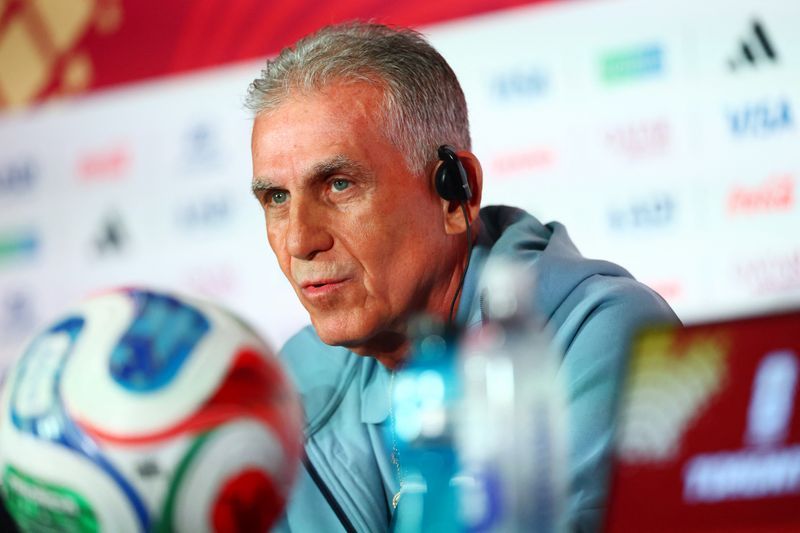
Ghana will proceed with their World Cup Group L fixture against Panama at Toronto Stadium on Wednesday, coach Carlos Queiroz insisted on Tuesday, even as a Canadian federal court weighed an appeal over Thomas Partey's contentious entry refusal. The standoff over the Villarreal midfielder has created last-minute uncertainty for the West African nation, yet Queiroz's measured public stance reflects a pragmatism born from decades navigating high-stakes football. With roughly 24 hours until kickoff, Ghana's technical staff has already formulated contingency plans, signalling that whatever the court decides, the match will proceed as scheduled.
Partey finds himself at the centre of a complex intersection of sporting and legal proceedings. The 29-year-old faces allegations of rape and sexual assault in Britain, charges he has consistently denied. Canada's initial refusal to grant him entry appears rooted in security and judicial considerations, prompting Ghanaian authorities to challenge the decision through federal court. The appeal hearing on Tuesday placed the outcome squarely in the hands of Canadian judges with less than 48 hours before Ghana's opening group match. For Ghana's football administration, the situation underscores the vulnerability international teams face when players become entangled in legal processes abroad, particularly when tournaments are underway.
Queiroz's measured tone at Tuesday's press conference reflected both realism and diplomatic restraint. When pressed on Partey specifically, the 73-year-old Portuguese coach deflected, stating he preferred not to amplify matters he considered distracting from his core responsibility. His repeated assertion that Ghana possessed viable alternatives and tactical flexibility suggested confidence that losing one midfielder, however accomplished, would not fundamentally compromise the team's competitive standing. This posture—focusing on solutions rather than obstacles—has characterised Queiroz's management style throughout his extensive career across multiple continents and elite clubs.
The Panama encounter presents Ghana with a challenging but winnable opening assignment. Queiroz acknowledged his Central American opponents' organisational discipline and tournament experience, yet he appeared optimistic about Ghana's capacity to exploit vulnerabilities in Panama's game. The coach outlined several areas where his squad held advantages: experience accrued from previous World Cup appearances, technical quality across the outfield, pace that could unsettle defences, and particular strength in one-on-one contests. Such comments, while confident, avoided overconfidence, a calculated tone that reflected awareness of Panama's proven resilience in competitive settings.
Ghana's World Cup history provides both encouragement and caution. The nation has qualified for five World Cup tournaments, reaching the quarter-finals in 2010 when they came agonisingly close to a maiden semi-final appearance. More recently, Ghana failed to advance from the group stage in 2014 and 2018, results that stung given the nation's considerable pool of talent and football development infrastructure. The match against Panama, therefore, carries weight beyond typical group-stage openers; it represents an opportunity to reset expectations and demonstrate that recent disappointments do not reflect Ghana's true capability. A positive result would provide psychological momentum and shift focus away from off-field complications.
Queiroz's appointment as Ghana coach came with significant expectations. The Portuguese strategist's résumé includes stints with major national teams and prominent club assignments, including leadership of Iran and Colombia at previous World Cups. His presence signals Ghana's commitment to world-class coaching expertise, though it also places additional scrutiny on results. The Partey situation, while regrettable, represents precisely the type of external disruption that separates competent coaching from excellence—the capacity to maintain focus and execute plans despite distractions beyond immediate control.
The coach also addressed FIFA's mandatory hydration breaks, a procedural innovation that has generated controversy among footballing circles. Rather than dismissing the rule outright, Queiroz advocated for transparency once the tournament concluded, specifically requesting that FIFA publish an integrity assessment examining whether the decision genuinely prioritised player welfare or accommodated commercial interests. This measured critique reflected broader frustrations within the coaching community about rule changes perceived as serving broadcast and sponsorship agendas rather than sporting integrity. For Southeast Asian observers, such concerns resonate given regional clubs' experience with FIFA directives that sometimes seem disconnected from on-field realities in tropical climates.
The backdrop of Group L contains interesting dynamics for Ghana. Besides Panama, the group includes Costa Rica and a fourth opponent, creating a genuinely competitive miniature tournament. Ghana's trajectory in the group stage will substantially influence their knockout prospects. A stumble against Panama would compound pressure on subsequent matches, whereas victory would establish psychological dominance and strategic flexibility. Queiroz's emphasis on readiness regardless of Partey's status reflects recognition that while individual players matter, institutional preparation and collective execution remain paramount.
For Malaysian and broader Southeast Asian readers, Ghana's situation illustrates the pressures that non-traditional football powerhouses navigate at the World Cup. Ghana, despite its continental football prominence, remains perpetually vulnerable to early elimination, partly because consistency in international fixtures remains elusive outside elite European and South American nations. The Partey complication exemplifies how off-field complications can derail campaigns, a lesson relevant for any emerging footballing nation where players operate globally and personal circumstances intrude upon collective objectives.
Queiroz's calmness heading into Wednesday's encounter suggests Ghana will be competitive. Whether Partey features or not, the team possesses sufficient quality to trouble Panama, a squad that, while organised, lacks Ghana's defensive flexibility and creative dynamism. The real test for Ghana's campaign lies beyond this opener, in translating preparation and coaching excellence into consistent results across three group matches—a challenge that has eluded them since their quarter-final run more than a decade ago.