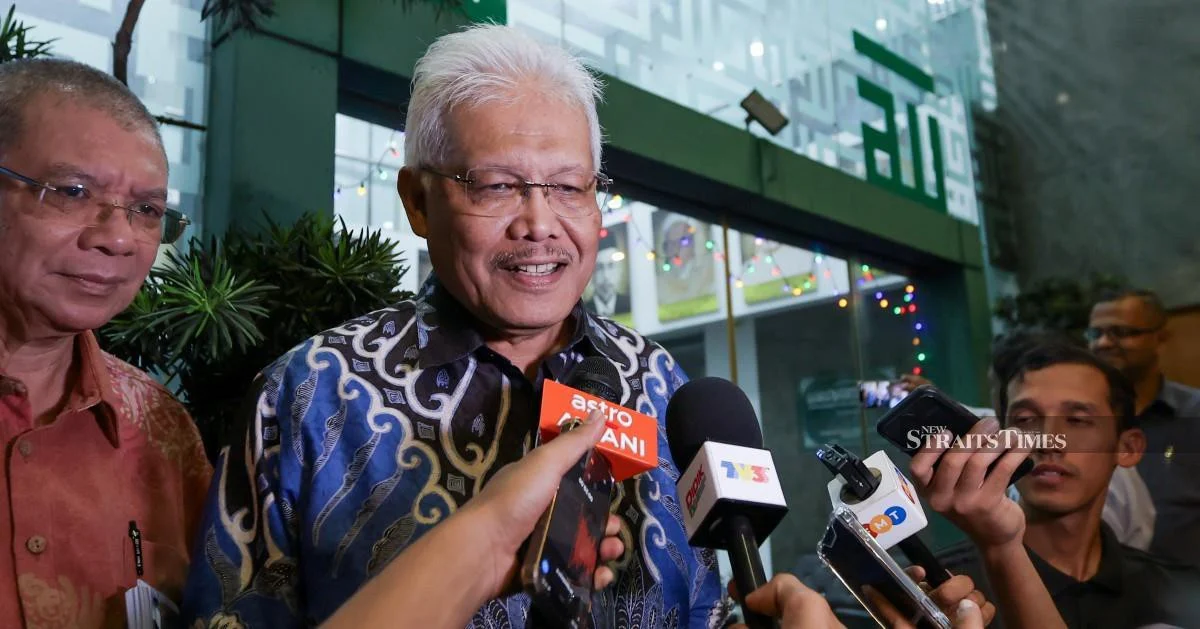
Datuk Seri Hamzah Zainudin is set to reclaim the opposition leader's seat in the Dewan Rakyat when Parliament resumes sitting on Monday, marking a pivotal moment in Malaysia's political landscape that underscores ongoing realignments within the opposition coalition. The repositioning, confirmed through the official parliamentary seating chart, signals a reconfiguration of opposition dynamics following recent political developments that have reshaped the parliamentary balance.
The move will displace Bersatu president Tan Sri Muhyiddin Yassin from his current prominent position on the front bench, effectively reducing his visibility and influence within the opposition framework. This demotion reflects broader changes in the coalition's internal structure and the relative standing of key opposition figures. The alteration comes at a time when opposition parties are navigating complex strategic choices about their collective positioning against the government and their internal power structures.
Hamzah's return to the opposition leader's seat represents a restoration of his formal authority within the parliamentary opposition, a role that carries significant constitutional and procedural weight. As opposition leader, he will have designated speaking rights, priority in parliamentary debates, and enhanced platform to articulate opposition positions on government policies and legislation. The formal recognition embedded in the seating arrangement carries practical implications for how opposition voices will be heard during parliamentary proceedings.
The timing of this transition comes amid broader conversations within opposition circles about leadership, strategy, and unity. Different opposition parties have grappled with questions about how to present a cohesive alternative to government policies while managing internal differences on issues ranging from fiscal policy to governance priorities. The seating chart change may signal a consolidation of leadership roles or a recognition of shifting alliances within the opposition bloc.
Muhyiddin's repositioning from the front bench reflects the complex nature of opposition politics in Malaysia, where different parties must balance maintaining their distinct identities with the necessity of presenting united fronts on key votes and policy positions. Bersatu, which has oscillated between government and opposition throughout recent political cycles, continues to navigate its position within the broader coalition. The former prime minister's party remains a significant force within the opposition despite the reduced ceremonial prominence his new seating arrangement suggests.
The opposition bloc in Parliament represents a diverse coalition of parties with varying ideological positions and political histories. This heterogeneity has historically complicated efforts to mount sustained challenges to government initiatives, as members sometimes pursue divergent interests or policy preferences. The formal acknowledgment of opposition leadership hierarchy through seating arrangements reflects attempts to impose some organisational structure on this diversity.
Parliamentary procedures and conventions carry substantial weight in Malaysian politics, where constitutional norms and procedural traditions provide framework for legislative and executive interactions. The seating chart, while seemingly a ceremonial matter, embeds important signals about political standing and influence that members and observers carefully parse for insights into shifting power dynamics. The positioning of key figures on the front bench versus further back carries symbolic and practical significance for how each party approaches parliamentary business.
For Malaysian governance and the broader functioning of Parliament, clear opposition leadership structures facilitate more effective scrutiny of government actions and policies. When opposition roles and responsibilities are clearly defined and widely recognised, parliamentary debates often proceed with greater clarity about who speaks for opposition positions and how the various parties coordinate their responses to government initiatives. This clarity serves the institutional interests of Parliament as a site of genuine political engagement and accountability.
The implications of these seating changes extend beyond ceremonial considerations to influence how media covers parliamentary proceedings, how public audiences understand opposition positioning, and how different parties signal their relevance and authority within the wider political ecosystem. Seating assignments in the Dewan Rakyat have long served as visible markers of political status that journalists and analysts use to track shifts in coalition dynamics and internal party politics.
As Parliament enters a new phase with this revised leadership arrangement, observers will watch how Hamzah utilises the opposition leader's platform and whether the repositioning translates into more effective legislative strategies or policy coordination among opposition parties. The practical effectiveness of opposition oversight often depends less on formal arrangements than on the energy and strategic clarity that leadership brings to parliamentary engagement.