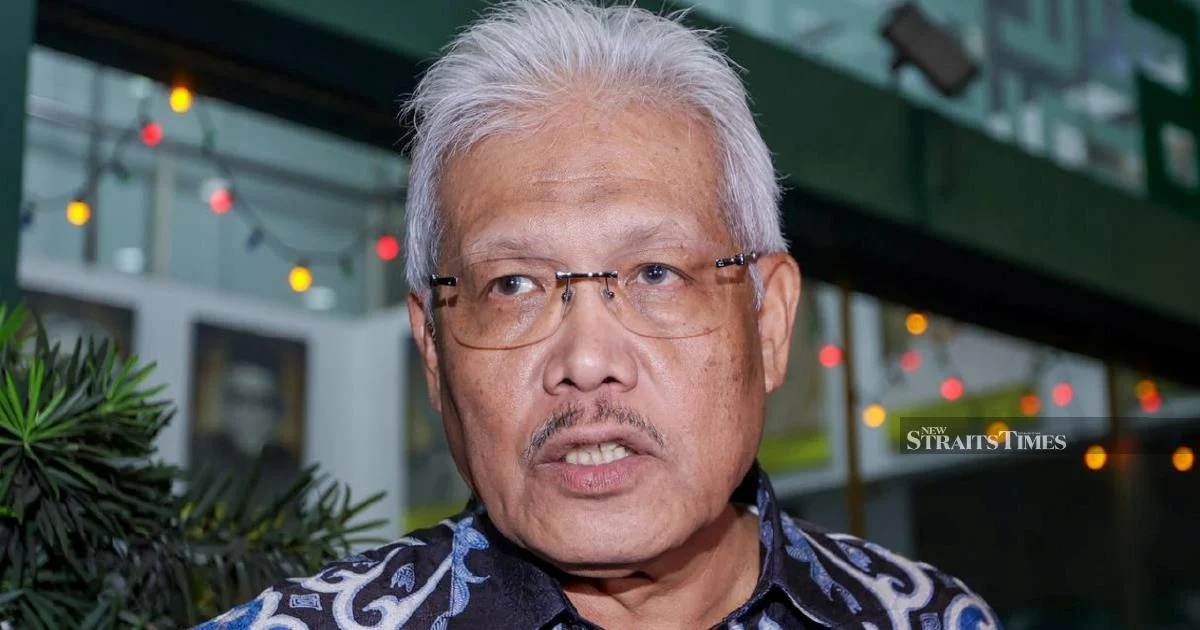
Datuk Seri Hamzah Zainudin will receive formal parliamentary recognition as opposition leader when the Dewan Rakyat Speaker is notified of his appointment before the next sitting of parliament. The administrative process, announced in Kota Baru, represents the final procedural step to institutionalise what has largely been an understood arrangement within opposition circles, giving Hamzah's position the official standing it requires to exercise the constitutional and ceremonial prerogatives that accompany the office.
The move to formally lodge notice with the Speaker underscores how Malaysian parliamentary practice distinguishes between de facto and de jure leadership structures. While opposition figures have operated under particular command structures and informal understandings for some time, the written notification to the Speaker transforms these arrangements into documented constitutional fact. This distinction carries practical significance in how the opposition can exercise parliamentary privilege, claim speaking time, lodge formal motions, and engage in other procedural mechanisms that depend on recognised opposition leadership.
Hamzah's elevation to the opposition leadership role represents a significant development in Malaysian political realignment. The positioning brings together various strands of opposition politics that have operated with differing levels of coordination. As opposition leader, Hamzah gains the formal authority to articulate a unified opposition stance on government policies, coordinate parliamentary tactics across different opposition blocs, and serve as the primary interlocutor between parliament's minority and the government on matters of parliamentary procedure and legislative engagement.
The timing of the formal notification before the next parliamentary sitting indicates deliberate choreography to maximise the symbolic and practical impact of the announcement. By submitting the notice before lawmakers return to the chamber, the opposition ensures that Hamzah's leadership position carries immediate parliamentary validity when the house reconvenes. This approach prevents any procedural ambiguity about opposition representation during the coming session and establishes clear lines of authority for opposition activity on the parliamentary floor.
For Malaysian readers, the establishment of formal opposition leadership matters because it clarifies the institutional architecture of parliamentary scrutiny. A properly constituted opposition with recognised leadership structures can more effectively challenge government proposals, demand accountability for executive decisions, and articulate alternative policy positions. The office of opposition leader carries specific parliamentary rights including reserved speaking time and the ability to table formal responses to government announcements, privileges that depend upon official recognition.
The notification process also reflects how Malaysian parliamentary conventions continue evolving. Historical practice has seen opposition leadership arrangements vary in formality and stability, reflecting broader patterns of coalition-building and political realignment. The decision to formalise Hamzah's position through Speaker notification suggests a preference among opposition parties for institutional clarity and structured coordination rather than the looser arrangements that have sometimes characterised opposition politics in Malaysia.
From a regional perspective, the Malaysian opposition's move toward more formalised structures aligns with broader trends in Southeast Asian parliaments, where opposition leadership positions increasingly receive explicit constitutional or procedural recognition. Thailand, Indonesia, and the Philippines all maintain formal mechanisms for recognising opposition leadership, ensuring that minority voices operate within clearly defined institutional frameworks. Malaysia's approach to formalising opposition leadership reflects similar concerns about procedural transparency and institutional stability.
The Dewan Rakyat Speaker's receipt of the formal notification will complete the constitutional loop for opposition leadership recognition. The Speaker, as custodian of parliamentary procedure and the institution's administrative authority, maintains official records of such appointments and ensures that parliament's rules of procedure are applied consistently regarding opposition representation and parliamentary rights. This creates a binding documentary record that opposition parties can reference when asserting their rights and prerogatives under the parliamentary system.
Hamzah's position as opposition leader also carries implications for government management of parliamentary business. With a formally recognised opposition leader, the government can conduct more structured parliamentary negotiations around legislative timetables, debate schedules, and procedural matters. Both sides of the house benefit from clear understanding of who holds authority to negotiate and commit on behalf of the opposition, reducing procedural friction and facilitating smoother legislative processes even amid substantive political disagreement.
The announcement from Kota Baru signals that opposition parties have moved beyond merely accepting Hamzah's de facto leadership to actively cementing it through formal procedures. This suggests a degree of consensus among opposition figures about the advantages of institutional clarity during what remains a challenging period for Malaysia's parliamentary opposition. Structured leadership allows opposition parties to pool resources, coordinate messaging, and present unified alternatives to government proposals more effectively than fragmented arrangements permit.
Moving forward, Hamzah's formally recognised position should enhance the opposition's capacity to function as an effective parliamentary check on executive power. With clear institutional standing and parliamentary rights, the opposition leader can more credibly demand government accountability, propose legislative alternatives, and articulate the concerns of constituents whom opposition parties represent. This formalisation ultimately strengthens parliamentary democracy by ensuring that governmental scrutiny operates within transparent, predictable institutional frameworks rather than depending on informal arrangements subject to periodic challenge.


%22%2F%3E%3C%2Fpattern%3E%3C%2Fdefs%3E%3Crect%20width%3D%22100%25%22%20height%3D%22100%25%22%20fill%3D%22url(%23ph2xpp4g)%22%2F%3E%3Crect%20width%3D%22100%25%22%20height%3D%22100%25%22%20fill%3D%22url(%23ph2xpp4p)%22%2F%3E%3Ctext%20x%3D%2250%25%22%20y%3D%2250%25%22%20text-anchor%3D%22middle%22%20dominant-baseline%3D%22central%22%20fill%3D%22rgba(255%2C255%2C255%2C0.95)%22%20font-family%3D%22Georgia%2C%20'Times%20New%20Roman'%2C%20serif%22%20font-weight%3D%22700%22%20font-size%3D%22136%22%20letter-spacing%3D%22-0.02em%22%3EPAS-Bersa%E2%80%A6%3C%2Ftext%3E%3C%2Fsvg%3E)