%22%2F%3E%3C%2Fpattern%3E%3C%2Fdefs%3E%3Crect%20width%3D%22100%25%22%20height%3D%22100%25%22%20fill%3D%22url(%23ph4536mg)%22%2F%3E%3Crect%20width%3D%22100%25%22%20height%3D%22100%25%22%20fill%3D%22url(%23ph4536mp)%22%2F%3E%3Ctext%20x%3D%2250%25%22%20y%3D%2250%25%22%20text-anchor%3D%22middle%22%20dominant-baseline%3D%22central%22%20fill%3D%22rgba(255%2C255%2C255%2C0.95)%22%20font-family%3D%22Georgia%2C%20'Times%20New%20Roman'%2C%20serif%22%20font-weight%3D%22700%22%20font-size%3D%22226%22%20letter-spacing%3D%22-0.02em%22%3EHAWANA%3C%2Ftext%3E%3C%2Fsvg%3E)
Malaysia's National Journalists' Day (HAWANA) 2026 will debut a special merchandise collection at its flagship Penang celebration on June 20, offering attendees commemorative items that underscore the significance of the occasion. The limited-edition range, unveiled by the HAWANA 2026 Secretariat, comprises three pieces of branded apparel—a bomber jacket priced at RM59, a collared T-shirt at RM37, and a round-neck T-shirt at RM30—each emblazoned with the official HAWANA 2026 identity and logo.
The merchandise initiative reflects a strategic effort to create tangible mementos of the event while generating support for the celebration's broader mission. These items will be stocked at the HAWANA Official Merchandise booth stationed within PICCA@Arena Butterworth Convention Centre, the main venue hosting the centrepiece festivities. The availability is strictly limited to the duration of the event and subject to stock availability, creating an incentive for early purchases among journalists and media enthusiasts attending the gathering.
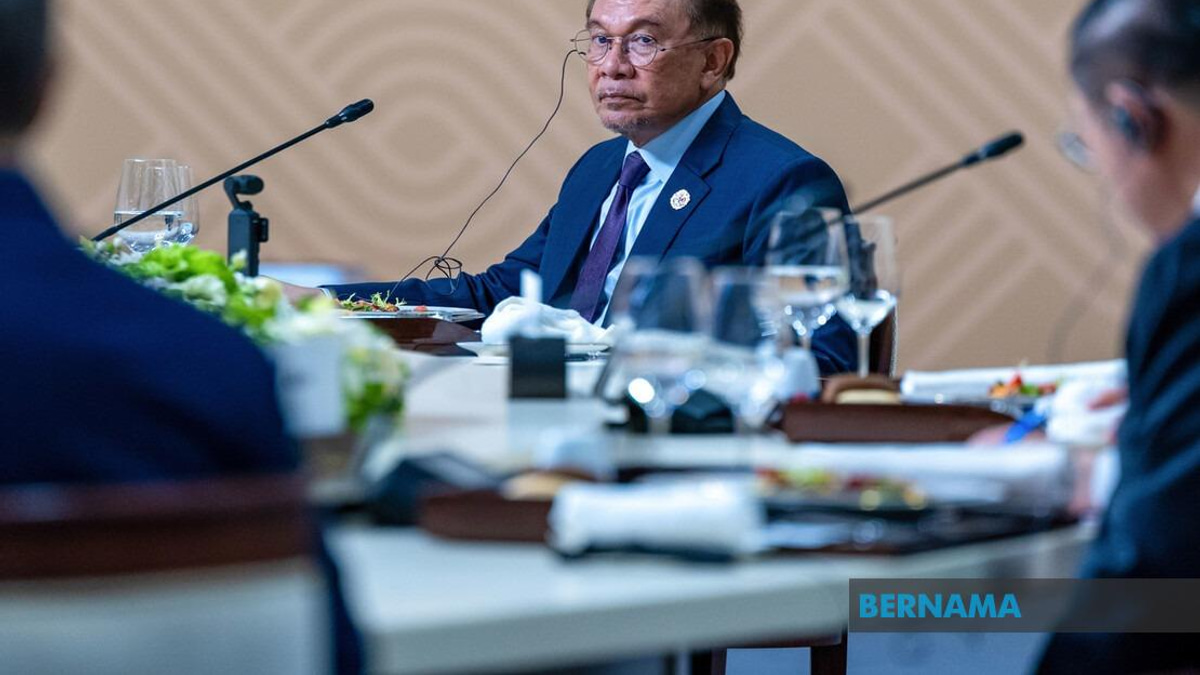
The centrepiece celebration carries the thematic focus of "Media Integrity Strengthens Credibility," a pivotal message for Malaysia's journalism sector at a time when questions about media trustworthiness remain prominent in public discourse. Prime Minister Datuk Seri Anwar Ibrahim will officiate the event, underscoring the government's institutional recognition of journalism's role in national development and democratic discourse. This high-level endorsement signals that media practitioners' contributions extend beyond commercial news production to encompassing broader civic responsibilities.
The Ministry of Communications oversees the HAWANA initiative, with the Malaysian National News Agency (Bernama) functioning as the implementing authority. This institutional structure ensures coordination across Malaysia's media landscape and demonstrates how state bodies and press organisations collaborate to celebrate professional standards in journalism. Bernama's central role places the national news agency at the forefront of advancing media professionalism across the country's diverse newsrooms.
The Penang edition represents the largest convergence of Malaysian media practitioners in the annual calendar, transforming the celebration into a rare opportunity for industry-wide reflection and networking. Journalists from print, broadcast, and digital platforms gather to acknowledge collective achievements and reaffirm shared professional values. This assembly becomes particularly significant given Malaysia's geographically dispersed media presence, where practitioners in different states often operate within relatively isolated professional communities.
Beyond the central ceremony, organisers have structured the HAWANA 2026 programme to extend engagement across broader society through the RIUH Pi HAWANA Carnival, a three-day initiative commencing June 19. This carnival blends creative arts components with substantive dialogue sessions, deliberately crafting programming accessible to audiences beyond the journalism profession. By incorporating artistic elements and intergenerational activities, the carnival acknowledges that media literacy and appreciation for journalistic standards extend across demographic segments and age groups within Malaysian society.
The merchandise strategy serves multiple purposes within this broader framework. Functionally, limited-edition apparel generates revenue that may support event operations or related media development initiatives. Symbolically, wearable items carrying HAWANA branding extend the celebration's visibility beyond the convention centre, allowing journalists and supporters to publicly identify with the event's messaging around media integrity. This visibility becomes particularly valuable in contexts where journalism faces scepticism or criticism, as branded merchandise transforms attendees into advocates whose visible support endorses professional standards.
The pricing structure reflects accessibility considerations, with entry-level options priced at RM30 enabling broader participation across income tiers within the journalism profession. Malaysian journalists work across commercial, government, and non-profit organisations with varying compensation levels, and tiered pricing acknowledges this diversity. The bomber jacket option at RM59 provides a premium selection for those seeking higher-visibility merchandise, while the mid-range collared T-shirt bridges the two extremes.
For Malaysian media practitioners and observers, HAWANA 2026's emphasis on integrity and credibility arrives at a moment when local journalism confronts questions regarding political independence, ownership transparency, and engagement with misinformation challenges. The thematic focus directly addresses these concerns, suggesting institutional recognition that journalism's social legitimacy depends fundamentally on demonstrable commitment to verification, fairness, and public service rather than partisan advantage. By gathering journalists around this explicit theme, the celebration becomes a visible reaffirmation of professional standards that transcend commercial pressures and political expectations.
The timing of merchandise availability during the main celebration creates urgency that encourages attendance and participation. Journalists unable to attend the Penang event will miss the opportunity to acquire these commemorative items, implicitly positioning physical attendance as the preferred mode of engagement. This approach potentially drives higher participation rates among practitioners who might otherwise view attendance as discretionary. Within Malaysia's competitive news environment, industry gatherings serve important functions beyond ceremonial recognition, providing forums where professional networks expand and industry challenges can be discussed collectively among practitioners facing common pressures.
The HAWANA 2026 programme ultimately reflects how state institutions, professional bodies, and media organisations can collaborate to advance journalism's standing during periods when public trust in media institutions requires reinforcement. The merchandise component, though seemingly peripheral, contributes to this broader initiative by transforming abstract commitments to integrity into concrete symbols that participants carry forward into their newsrooms and professional communities. As Malaysian journalism navigates challenges ranging from digital disruption to political pressures, such institutional affirmation of professional values takes on heightened significance.