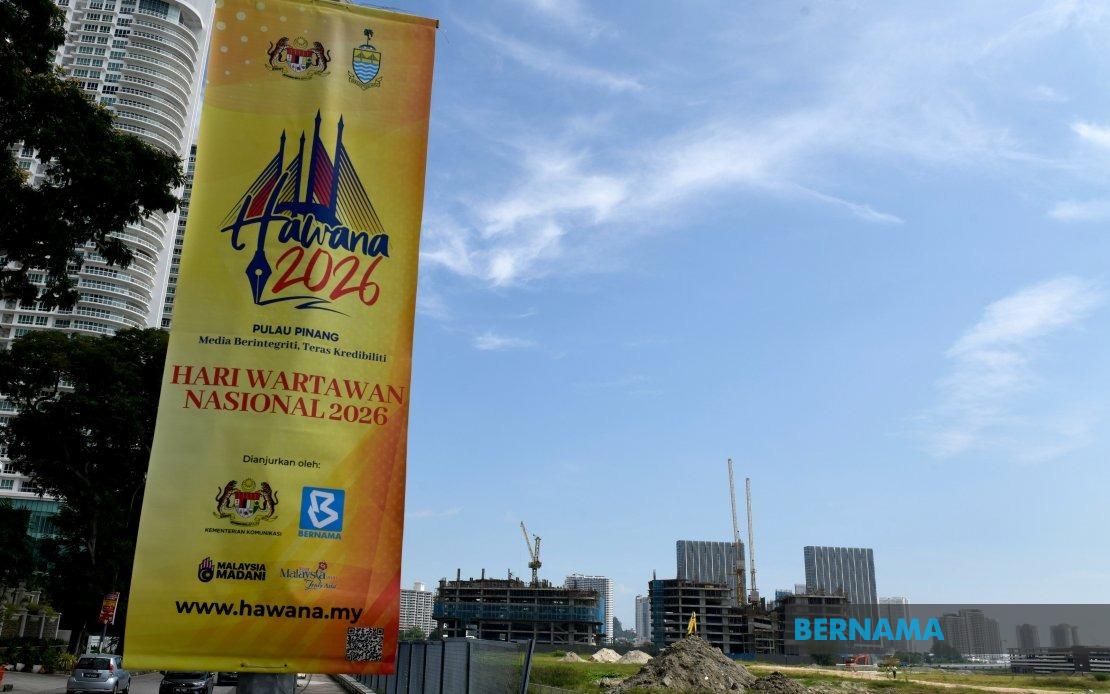
Penang is positioned to unlock significant economic opportunities and amplify its regional standing through hosting the main National Journalists' Day celebration in 2026. The selection represents recognition of the state's proven capacity to deliver large-scale international events while strengthening its credentials as a premier tourism destination in Malaysia, according to State Tourism and Creative Economy Committee chairman Wong Hon Wai.
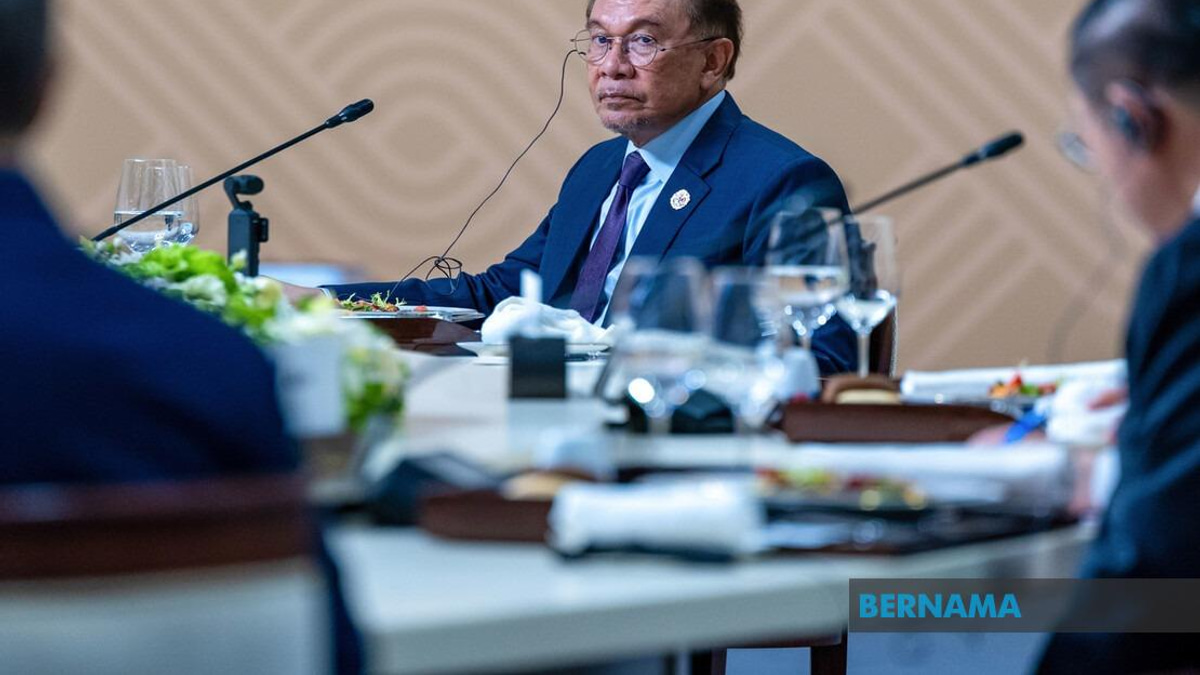
The event underscores a strategic recognition that media coverage and journalist participation can substantially reshape how destinations are perceived regionally and globally. By concentrating thousands of media practitioners from across Malaysia and ASEAN countries in Penang, the hosting arrangement creates a concentrated opportunity to broadcast the state's competitive advantages to influential gatekeepers of information and tourism narratives. The June 20 official ceremony, to be led by Prime Minister Datuk Seri Anwar Ibrahim at the PICCA Convention Centre @ Butterworth Arena, signals the national significance attached to both HAWANA 2026 and Penang's role as host.
Wong articulated the commercial mechanics underlying the event's appeal to the state. The anticipated arrival of approximately one thousand media professionals will translate into substantial demand across the hospitality sector, from hotel accommodation to dining establishments, transportation services, and retail outlets. Seberang Perai, designated as the primary venue, possesses sufficient lodging capacity to comfortably accommodate the influx expected during the June 19-21 window. Early indicators from tourism operators confirm robust hotel reservations, suggesting market confidence in the event's drawing power and the state's readiness to host at scale.
Beyond immediate economic stimulus, Wong emphasized media's pivotal role in shaping perception and driving sustained growth. Journalists and media outlets function as essential conduits for disseminating accurate information about destinations, thereby influencing travel decisions among potential visitors. In the context of Penang's creative economy—encompassing local artisanal producers, cultural practitioners, and innovative enterprises—media representation elevates visibility and credibility. By ensuring comprehensive coverage of Penang's cultural heritage, gastronomic offerings, and contemporary creative initiatives, the media amplifies these sectors' reach and reinforces the state's identity as a culturally dynamic and economically vibrant region.
The thematic framing of HAWANA 2026 as 'Media Integrity Strengthens Credibility' carries particular relevance in an era of information fragmentation and audience skepticism toward media institutions. The event, organized by the Ministry of Communications and executed by Bernama, honors the professional dedication and ethical commitments of Malaysian journalists. This emphasis on integrity serves dual purposes: it celebrates the journalism profession while implicitly affirming the quality and reliability of media coverage that will emerge from Penang during and after the event.
The accompanying RIUH Pi HAWANA Carnival represents a deliberate strategy to extend the event's footprint beyond the professional media sphere to engage general audiences. Projected to attract approximately thirty thousand visitors over three days at the same venue, the carnival democratizes access to content and experiences surrounding HAWANA 2026. The programming integrates over twenty-four local creative brands with food vendors and live performances from established Malaysian artists including Exists, Bunkface, Masdo, Sakura Band, Budak Nakal Hujung Simpang, and Chelsea Ng. Free admission lowers barriers to participation, potentially converting casual visitors into advocates for Penang's cultural offerings.
The carnival's structure reflects contemporary understanding that tourism promotion and creative economy development function most effectively when audiences can directly experience and interact with offerings rather than merely consuming promotional content. Hands-on workshops embedded within the carnival framework allow attendees to engage with creative processes, sampling local products and artistic practices in immersive formats. This experiential approach generates both immediate economic transactions and lasting impressions that influence long-term travel intentions and purchasing behavior.
For Malaysia's broader creative economy aspirations, Penang's hosting of HAWANA 2026 carries strategic significance. The state has increasingly positioned itself as a creative hub, competing alongside Kuala Lumpur and other regional centers for talent, investment, and recognition. By leveraging the platform provided by a prestigious national event centered on media and communications, Penang strengthens its narrative as a destination where creative work thrives and receives institutional recognition. The presence of media from ASEAN nations extends this positioning beyond domestic audiences to neighboring markets, potentially opening export opportunities for Penang-based creative enterprises.
Wong's characterization of media as essential partners in state development reflects evolving governance approaches that recognize journalism's instrumental value beyond its democratic and accountability functions. By positioning media relationships as central to economic strategy, Penang's administration signals sophisticated understanding of how narrative authority shapes competitive positioning in the tourism and creative sectors. The investment in hosting HAWANA 2026 constitutes, in effect, an investment in media capacity-building and relationship cultivation with influential information intermediaries.
The timing of the 2026 event allows sufficient runway for sustained marketing and logistical preparation. Tourism operators and creative sector participants have approximately eighteen months to enhance offerings, develop new attractions, and coordinate messaging with media partners. This extended timeline permits organic growth in capacity and reduces risks associated with rushed event preparation, establishing conditions for both immediate success and longer-term competitive advantage in tourism positioning.
Looking forward, the HAWANA 2026 experience in Penang may establish precedent for how Malaysian destinations engage with national media institutions to drive economic development. Successful execution could encourage other states to similarly leverage media events as economic development instruments, potentially stimulating healthy competition that elevates quality across Malaysia's tourism and creative offerings. For Penang specifically, the event represents a concentrated moment to demonstrate capabilities, build media relationships, and generate content assets that will continue circulating and influencing perceptions well beyond the June 2026 window.