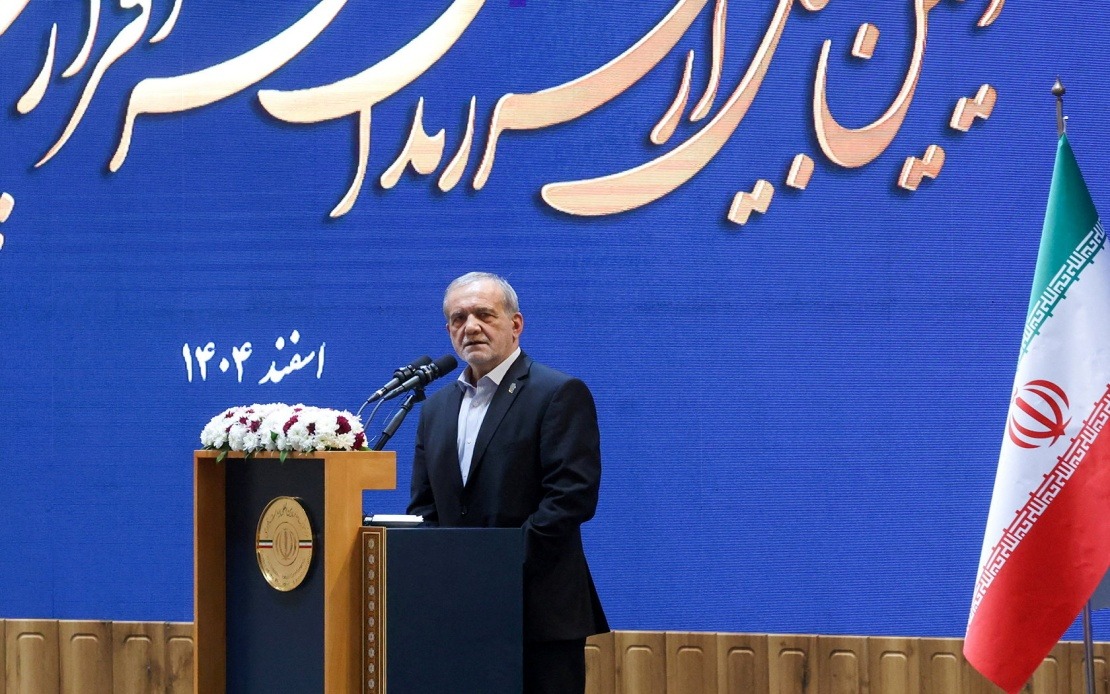
Tehran has signalled a potential shift in its negotiating stance on nuclear matters, with Iranian President Masoud Pezeshkian indicating that his government could commit itself to a formal written declaration renouncing the pursuit of nuclear weapons. The statement, made through state media channels, represents a significant gesture at a moment when both Iran and the United States are engaged in delicate talks aimed at resolving one of the region's most contentious geopolitical issues. The declaration would provide written assurance to the international community that Iran does not intend to develop atomic weapons, a longstanding point of contention between Tehran and Western powers.
The timing of Pezeshkian's remarks carries considerable weight, emerging as representatives from Iran and the United States began substantive discussions in Switzerland over the weekend. These negotiations follow the signing of a memorandum of understanding earlier in the week, marking a resumption of diplomatic engagement after years of tension. The framework agreement under which both parties are operating stipulates that a comprehensive final deal governing Iran's nuclear programme must be concluded within a 60-day window, creating considerable pressure on negotiators to move quickly towards resolution.
What remains unclear is whether the proposed written declaration forms part of the current negotiating agenda or represents an optional concession that Iran might deploy if talks encounter obstacles. Pezeshkian did not explicitly clarify how this commitment would fit into the broader architecture of a final agreement, leaving room for interpretation about whether it would constitute a binding international instrument or a unilateral Iranian undertaking. The absence of such detail has prompted observers to question whether this represents a substantive negotiating proposal or principally a rhetorical positioning ahead of intensive discussions.
The Iranian leadership has sought to ground its nuclear position in religious authority, with Pezeshkian invoking the theological objections of former supreme leader Ali Khamenei to the development of weapons of mass destruction. This invocation of religious grounds for rejecting nuclear armament has long featured in Iran's official narrative, though it sits somewhat uneasily with international scrutiny of Tehran's atomic activities. The reference to Khamenei's previous stance suggests Iran wishes to portray its nuclear restraint as rooted in deeply held principles rather than merely responding to external pressure or sanctions.
Iran's political establishment has consistently maintained in public statements that the nation does not seek to acquire nuclear weapons, characterising its atomic programme as exclusively peaceful and designed to meet the country's energy requirements. This position has been stated repeatedly by officials at various levels, creating what Tehran views as a clear record of intent. However, the international community, particularly the United States and its allies, has expressed persistent concerns about the scope and trajectory of Iran's nuclear activities, leading to a breakdown of the previous Joint Comprehensive Plan of Action in 2018.
Pezeshkian has expressed optimism regarding the trajectory of negotiations with Washington, suggesting that agreements reached thus far align substantially with Iranian interests. This expression of confidence may be intended to build domestic political support for any eventual agreement, as well as to signal to Western negotiators that Iran perceives the current discussions as broadly favourable. The president's positive assessment could indicate that both sides have identified common ground on several issues, though disagreements undoubtedly remain on technical, verification, and sanctions-related matters.
One concrete measure being discussed involves the release of approximately US$6 billion in Iranian assets that have been frozen in Qatar by the United States. This sum represents money from oil sales and other transactions that Tehran has been unable to access due to American sanctions regimes. The potential unfreezing of these funds would provide immediate economic relief to Iran's constrained economy and has likely featured prominently in Iran's negotiating priorities. For the United States, agreeing to release these funds signals willingness to provide tangible benefits in exchange for Iranian commitments on nuclear matters.
From a regional perspective, the progress in US-Iran negotiations holds implications for several Southeast Asian nations that maintain energy relationships with Iran. Malaysia and other ASEAN countries have historically imported Iranian oil and maintained commercial ties, though these relationships have been complicated by American sanctions enforcement. Any resolution of the nuclear dispute could potentially facilitate a broader normalisation of Iran's international trade relationships, creating new opportunities for regional partners to expand economic engagement with Tehran.
The 60-day timeline for reaching a final agreement represents an ambitious target that will require sustained diplomatic effort and flexibility from both parties. This compressed schedule contrasts with the years-long negotiations that preceded the original nuclear accord, suggesting that both Iran and the United States have come to view rapid progress as preferable to the alternative of continued deadlock and escalating tensions. However, the complexity of issues remaining to be resolved—including verification mechanisms, sanctions relief schedules, and the status of Iran's current enriched uranium stockpiles—suggests that meeting this deadline will demand considerable compromise from both sides.
%22%2F%3E%3C%2Fpattern%3E%3C%2Fdefs%3E%3Crect%20width%3D%22100%25%22%20height%3D%22100%25%22%20fill%3D%22url(%23ph5142vg)%22%2F%3E%3Crect%20width%3D%22100%25%22%20height%3D%22100%25%22%20fill%3D%22url(%23ph5142vp)%22%2F%3E%3Ctext%20x%3D%2250%25%22%20y%3D%2250%25%22%20text-anchor%3D%22middle%22%20dominant-baseline%3D%22central%22%20fill%3D%22rgba(255%2C255%2C255%2C0.95)%22%20font-family%3D%22Georgia%2C%20'Times%20New%20Roman'%2C%20serif%22%20font-weight%3D%22700%22%20font-size%3D%22194%22%20letter-spacing%3D%22-0.02em%22%3EBintulu%3C%2Ftext%3E%3C%2Fsvg%3E)