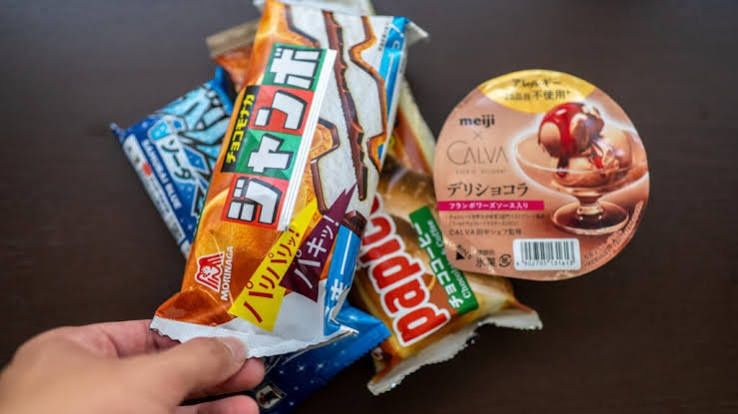
Japan's competition regulator has intensified its scrutiny of the ice cream industry, raiding the head offices of six major manufacturers on suspicion of orchestrating a price-fixing cartel. The Japan Fair Trade Commission (JFTC) conducted searches at Meiji Co., Morinaga Milk Industry Co., Lotte Co., Ezaki Glico Co., Morinaga & Co., and Akagi Nyugyo Co., according to officials from the firms and sources familiar with the investigation. The timing of the enforcement action comes as Japan enters the peak summer season, traditionally the most lucrative period for ice cream producers across the market.
According to investigators and industry sources, officials from these competing companies are believed to have engaged in sustained communication over a period of years to coordinate the timing and magnitude of retail price increases. The suspected collusion allegedly involved the exchange of emails and in-person meetings designed to align pricing strategies across the sector. This type of coordination undermines normal market competition, as it prevents consumers from benefiting from independent pricing decisions that might otherwise result in competitive pressure on costs and margins.
The pattern of suspicious activity became apparent when authorities observed a striking synchronicity in pricing behaviour. Since approximately 2022, each of these six ice cream producers has implemented price increases annually at nearly identical intervals, suggesting coordinated action rather than independent business decisions responding to market conditions. The suspicious timing and alignment across multiple firms, combined with evidence of direct communication between competitors, prompted regulators to escalate their investigation into formal searches and seizures of company documents.
Investigators are examining whether the companies exploited inflationary pressures as a convenient cover for price increases that exceeded what legitimate cost increases in raw materials could justify. The JFTC is investigating the possibility that firms used widespread inflation as a pretext to boost margins beyond what movements in ingredient costs would warrant. This distinction is legally important, as price increases stemming directly from genuine cost pressures may be defensible under competition law, while those designed primarily to extract additional profit through coordinated action constitute illegal cartel behaviour.
The financial scale of the ice cream industry in Japan underscores why regulators are treating this matter seriously. The industry experienced exceptional growth in the fiscal year ending March, with total ice cream sales reaching a record 660 billion yen, buoyed by Japan's exceptionally hot summer—the warmest recorded since comprehensive temperature record-keeping began in 1989. This surge in consumer demand, combined with the alleged price coordination, suggests that consumers may have paid significantly inflated prices during a period when their purchasing was most intensive.
For Malaysia and Southeast Asia, this Japanese enforcement action carries broader implications for competition policy in the region. The ice cream and frozen dessert market in Southeast Asia remains fragmented but growing, with multinational firms and local producers competing across markets. The JFTC's aggressive investigation signals that authorities in developed Asian economies are willing to prosecute complex cartel cases involving coordinated pricing strategies. This sets an enforcement precedent that could influence how regulators in Malaysia, Singapore, and Thailand approach suspected collusion in consumer goods sectors.
All five companies that have issued public statements—with Akagi Nyugyo confirming through its official representative Natsuyo Suzuki—have pledged cooperation with the JFTC's investigation. This professed willingness to assist could range from providing documents and testimony to more substantive cooperation that might involve admissions or leniency applications. Typically, firms that cooperate early in cartel investigations may receive reduced penalties if regulators ultimately establish violations.
The potential consequences for the implicated firms are substantial. Should the JFTC conclude that a cartel arrangement existed, it possesses authority to issue orders requiring the companies to reform their business practices and implement compliance mechanisms. Additionally, the regulator can impose significant financial penalties on participating firms. The magnitude of any fines would likely reflect the scale of overcharges imposed on consumers, the duration of the alleged conspiracy, and each firm's role in coordinating the scheme.
This investigation represents a significant enforcement moment for Japan's competition authority and reflects broader global trends toward stricter scrutiny of price coordination. In recent years, antitrust agencies across developed economies have increasingly pursued cases involving coordinated pricing in consumer staples and everyday products. The food and beverage sector, which includes ice cream manufacturers, has attracted particular regulatory attention as consumers are most sensitive to price movements in frequently purchased items.
The implications extend beyond penalties and reputational damage. A cartel finding could influence how Japanese consumers and international partners perceive these brands during a period when the ice cream market remains buoyant. Companies may face consumer backlash, reduced market share if competitors differentiate themselves on fair pricing, and operational constraints imposed by compliance requirements. For multinational corporations among the accused, such as Lotte, a cartel finding in Japan could affect their competitive positioning across Asia.
The investigation also highlights the ongoing challenge that competition authorities face in detecting and proving sophisticated cartel arrangements in digital environments. While the suspected use of emails and meetings provides evidence trails, modern cartels often employ encrypted communications and coded language to avoid detection. The JFTC's ability to pursue this case suggests that investigators possessed sufficient evidence through intercepted communications or whistleblower disclosures to justify formal enforcement action.
Looking forward, the resolution of this case will likely influence how ice cream manufacturers and other consumer goods producers structure their industry interactions. Trade associations and informal industry gatherings may face heightened scrutiny, and companies will likely implement stricter compliance protocols to avoid even the appearance of coordination. For consumers, a successful enforcement action could moderate pricing behaviour across the sector, particularly during high-demand periods when producers might otherwise feel emboldened to raise prices simultaneously.