Malaysia's Johor state is set for a political campaign season marked by a clear royal directive emphasizing decorum and restraint. His Majesty Sultan Ibrahim, the King of Malaysia, alongside Tunku Mahkota Ismail, the Regent of Johor, have issued a cautionary message to the political establishment warning against the descent into personal attacks and uncivil behaviour during the forthcoming state election campaign. This guidance, relayed through Johor Barisan Nasional chairman Datuk Onn Hafiz Ghazi, reflects growing concerns within institutional circles about maintaining acceptable standards of political discourse in the state.
The intervention by the Johor palace carries considerable weight in Malaysia's constitutional framework and political culture. As custodians of state institutions and symbols of unity, the Sultan and Regent occupy positions that transcend partisan politics, allowing them to speak to broader principles of civic conduct without being perceived as supporting any particular party. Their explicit caution against personal attacks suggests an underlying anxiety about the trajectory of political campaigns in Johor, where competitive pressures between rival camps have occasionally spilled into territory that many consider unbecoming of electoral contests at any level.
Johor's political landscape has historically been characterized by intense competition, particularly between Barisan Nasional and Pakatan Harapan. The state holds considerable significance within Malaysia's broader political equation, given its size, economic importance, and consistent electoral influence. When the palace feels compelled to intervene with guidance on campaign conduct, it signals that stakeholders perceive a genuine risk of deterioration in the quality of political engagement. Such royal interventions are neither unprecedented nor casual; they represent a measured but serious effort to shape the tone and substance of political contestation before campaigns reach their most combative phases.
The emphasis on civility and avoidance of personal attacks addresses a pattern that has become increasingly visible in Malaysian politics across both national and state levels. Campaigns in recent years have occasionally featured rhetoric targeting politicians' personal characteristics, family backgrounds, or unverified allegations rather than focusing on policy differences and substantive governance questions. These dynamics not only diminish the quality of democratic discourse but can also contribute to polarization among voters and undermine public confidence in political institutions. The palace's intervention attempts to reset expectations before such patterns take root in Johor's campaign.
For Malaysian readers and regional observers, this royal guidance reflects important aspects of how Malaysia's constitutional monarchy intersects with democratic practice. Unlike purely Westminster systems where royal figures remain entirely removed from political commentary, Malaysia's constitutional framework provides space for the King and state sultans to offer moral guidance on matters affecting the nation's stability and institutional health. This represents a distinctive feature of Malaysian democracy, where traditional institutions and modern electoral systems coexist in a carefully balanced relationship. The palace's willingness to speak on campaign conduct demonstrates that this balance remains active and operational.
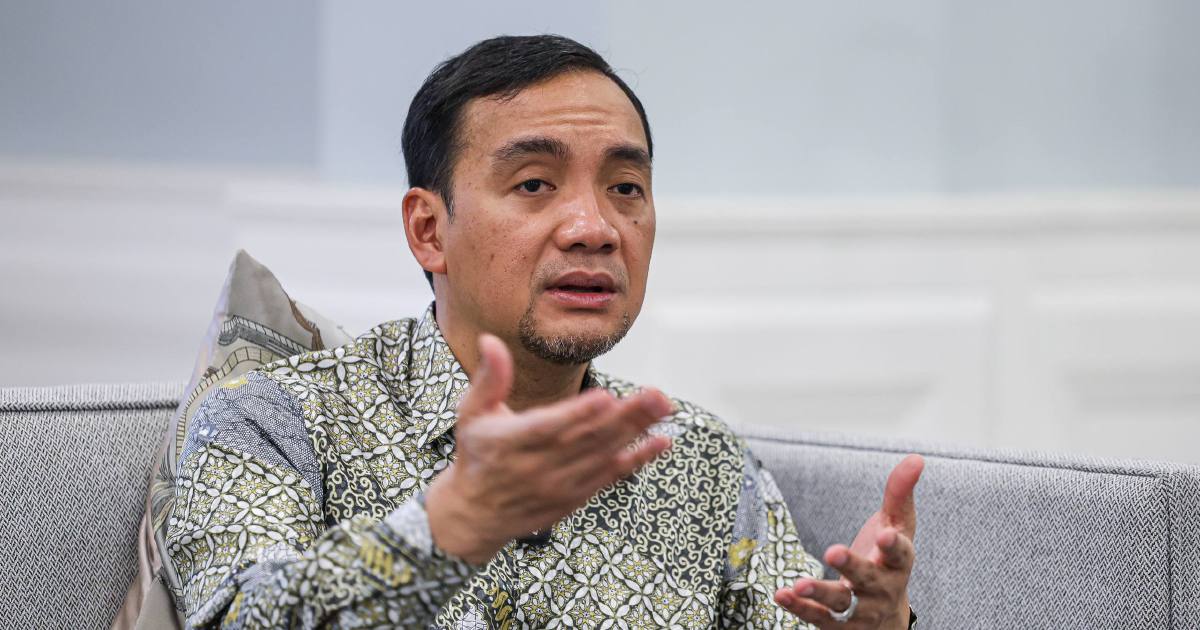
The involvement of Datuk Onn Hafiz Ghazi in communicating this message also merits attention. As Johor Barisan Nasional chairman, his role in relaying royal guidance carries multiple implications. It positions the ruling coalition as responsive to institutional concerns about political conduct, while also placing responsibility on BN to model the civility standards the palace advocates. This dynamic creates expectations that the party holding state power should lead by example in maintaining campaign standards, understanding that failure to do so would appear as though they ignored royal counsel.
The timing of this intervention, emerging before the election campaign period formally begins, suggests deliberate strategic communication. By establishing ethical parameters in advance, the palace creates a framework against which campaign conduct can be measured. Political parties and individual candidates are now on notice that their behaviour will be evaluated against the standard of civility and avoidance of personal attacks explicitly endorsed by the state's highest institutional authority. This advance positioning allows the palace to influence campaign culture without appearing to intervene during active campaigning, when neutrality concerns become more acute.
For opposition parties in Johor, the royal guidance presents both opportunities and constraints. While it theoretically applies equally to all competitors, opposition parties may view it as particularly aimed at controlling their rhetoric, especially if they employ more combative campaign styles. Conversely, they can reference the palace's clear statement on civility as a benchmark for holding the ruling coalition to account, should BN candidates resort to the very personal attacks and uncivil behaviour the palace cautioned against. This creates an interesting dynamic where the royal intervention establishes common ground that different parties can invoke depending on their interests.
The broader context includes Malaysia's ongoing efforts to strengthen democratic institutions and enhance public confidence in electoral processes. Regional democracy has faced challenges relating to institutional erosion, the spread of misinformation, and declining faith in political systems. When leadership institutions like the palace emphasize the importance of respectful, substantive political engagement, they contribute to counteracting these trends. The Johor palace's intervention thus fits within a wider narrative about how Malaysia's traditional institutions attempt to reinforce democratic norms during a period of significant political transition and competition.
For observers across Southeast Asia, Malaysia's model of constitutional monarchy offering guidance on democratic conduct presents an interesting case study. While perspectives vary on how effectively royal institutions can shape political behaviour, their willingness to articulate clear expectations about campaign standards reflects a conscious commitment to maintaining institutional integrity and public order during competitive elections. The Johor palace's intervention demonstrates that even in democracies with active party competition, traditional institutions retain meaningful roles in promoting shared commitments to civility and responsible governance, though ultimately the effectiveness of such guidance depends on political actors choosing to embrace rather than merely acknowledge these principles.