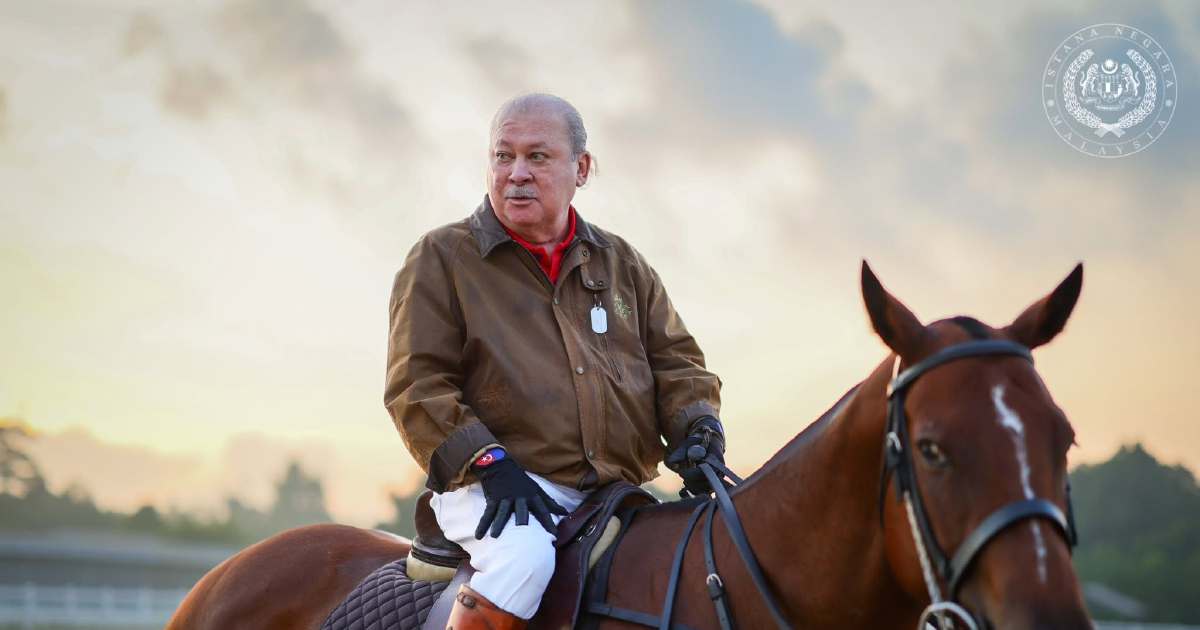
His Majesty Sultan Ibrahim, King of Malaysia, has remained steadfast in his commitment to physical wellness, pursuing his customary dawn equestrian pursuit at the Royal Johor Polo Club situated at Istana Pasir Pelangi. The monarch was observed navigating the grounds on horseback with measured paces, displaying the composure and fluidity characteristic of an accomplished rider maintaining disciplined exercise habits.
The continuation of this morning regimen underscores the importance placed on personal fitness within the Malaysian royal household. Regular physical activity, particularly equestrian pursuits, has long been associated with maintaining cardiovascular health and overall wellbeing, especially for individuals with demanding public schedules. Horse riding demands sustained core strength, balance, and mental focus—qualities equally valuable for governance and state responsibilities.
The Royal Johor Polo Club serves as the traditional venue for the royal family's equestrian activities, situated within the sprawling grounds of Istana Pasir Pelangi. This facility has functioned as a centre for polo and riding pursuits for generations, reflecting the longstanding connection between Malaysia's monarchy and equestrian culture. The club provides appropriate infrastructure and security arrangements necessary for the King's recreational activities.
For Malaysian readers, the visibility of the King maintaining active health practices carries broader significance beyond personal fitness. Royal households worldwide increasingly acknowledge that demonstrating commitment to wellness sets an example for the general population, particularly regarding preventive health measures and lifestyle choices. The establishment of such routines communicates that staying active and prioritising physical health remains important regardless of age or position.
The measured pace observed during this particular session—described as calm and relaxed—also suggests a measured approach to exercise. Rather than pursuing strenuous or potentially risky activities, the emphasis on steady, controlled riding reflects prudent health management. This methodical approach to fitness represents a balance between maintaining vitality and exercising appropriate caution, messaging that resonates with health authorities' recommendations for sustainable wellness practices.
Equestrian activities hold cultural resonance across Malaysia and Southeast Asia, where horses maintain both historical and symbolic significance. The sport of polo particularly carries associations with tradition, discipline, and international diplomatic engagement. By maintaining active participation in such pursuits, the King reinforces connections to Malaysia's cultural heritage while engaging in activities recognised globally as marks of accomplished horsemanship and refined leisure.
The royal household's engagement in public-visible activities like morning riding provides citizens with occasional glimpses of their monarch in everyday circumstances. These moments of accessibility, while naturally bounded by security and protocol considerations, humanise the institution and demonstrate that those in positions of authority remain subject to the same principles of health maintenance that apply universally. Such visibility can subtly reinforce messages about the importance of regular exercise in contemporary Malaysian society.
Maintaining consistent exercise routines requires discipline and organisation, particularly when balancing the competing demands of state functions, official engagements, and ceremonial responsibilities. The fact that His Majesty preserves time for this established practice suggests effective schedule management and recognition that personal wellbeing directly impacts capacity to discharge official duties effectively. This principle has relevance for Malaysian professionals across sectors managing high-pressure roles.
The equestrian community in Malaysia and Southeast Asia has historically included members of royal families as both practitioners and patrons. The King's continuation of riding activities supports the broader ecosystem surrounding horse sports in the region, from stable management to veterinary care to the training of riders and handlers. Such participation, even in recreational contexts, maintains traditional knowledge and sustains communities dependent on equestrian-related industries.
Regional observers have noted that Southeast Asian monarchies increasingly emphasise transparency regarding their activities and wellbeing, departing from historical patterns of institutional opacity. The documentation of such routine activities reflects evolving communication strategies within modern royal households. Malaysian media coverage of the King's morning pursuits represents a small but meaningful shift toward demystification of royal life while maintaining appropriate respect for the institution.
Looking forward, such consistency in personal habits may inform public discourse about health expectations across Malaysian society. With healthcare systems across the region grappling with rising lifestyle-related diseases, visible commitment to preventive health measures from figures of authority carries messaging weight beyond their individual impact. The King's dedication to maintaining regular exercise provides a subtle but potent example of prioritising long-term wellness despite demanding professional obligations.