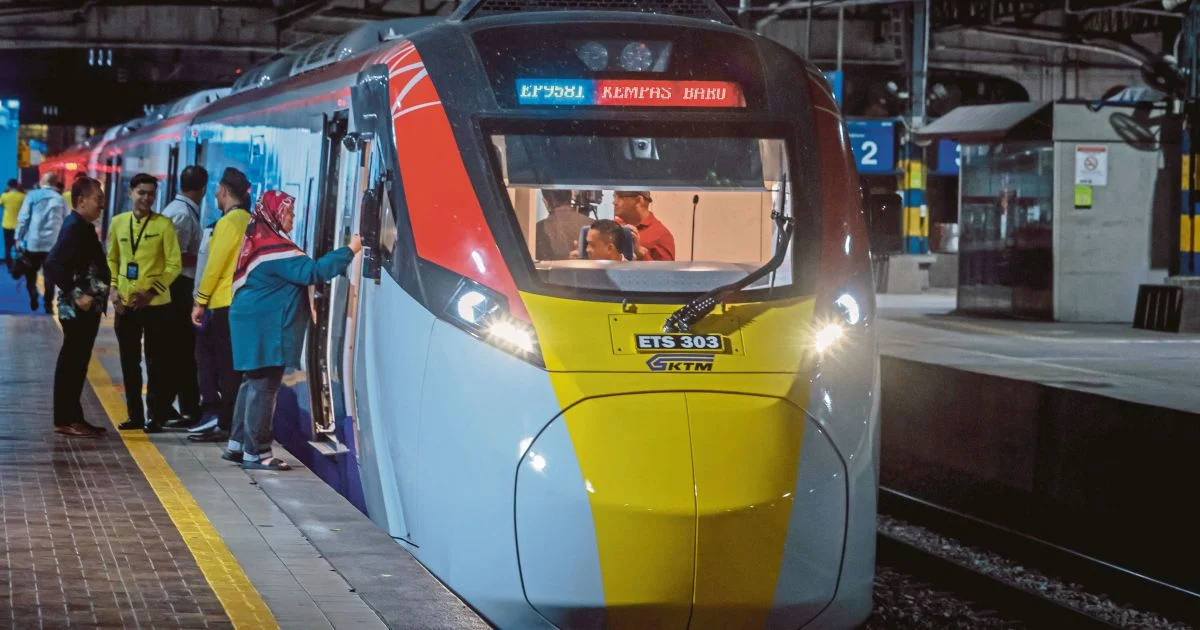
Keretapi Tanah Melayu Bhd (KTMB), the national railway operator, is stepping up Electric Train Service (ETS) operations on routes serving Johor to manage the anticipated surge in passenger traffic as voters travel to cast their ballots in the forthcoming state election. The move reflects a coordinated effort to facilitate electoral participation by providing reliable transport infrastructure during a period when demand on major transport corridors typically intensifies.
The decision to expand ETS capacity on southbound routes underscores the logistical challenges that emerge during major electoral events in Malaysia. State elections routinely trigger significant migration patterns as registered voters, particularly those who have relocated for work or education, return to their constituencies to participate in the democratic process. Without corresponding increases in transport availability, congestion on highways and trains can become severe, potentially discouraging voter participation or creating safety hazards on overcrowded roads.
Johor, as one of Malaysia's most populous states and a major economic hub, regularly experiences substantial electoral movement. The state's geographic position as the southern anchor of Peninsular Malaysia makes rail transport particularly valuable, as the ETS network provides a faster and often more convenient alternative to driving on congested highways. The additional train services are therefore strategically important for ensuring accessibility across different socioeconomic groups, many of whom depend on public transport rather than private vehicles.
The ETS network has become a critical piece of Malaysia's transport infrastructure since its expansion over the past two decades. For voters living in the Klang Valley, Selangor, and other major urban centres outside Johor, the ETS provides a cost-effective and predictable journey to their home constituencies. By increasing the frequency and capacity of these services, KTMB acknowledges the predictable surge in demand that accompanies electoral cycles and takes proactive steps to accommodate it.
This type of infrastructure support for elections reflects broader global best practices in facilitating democratic participation. Many countries recognise that removing practical barriers to voting—such as transport difficulties—helps ensure broader and more representative electoral participation. In Malaysia's context, where voters are distributed across geographically dispersed constituencies and many have migrated for economic opportunity, transport accessibility becomes a genuine equity issue that can influence turnout patterns.
The announcement also highlights the growing integration of public transport planning with electoral administration in Malaysia. While KTMB is a commercial entity operating train services, its willingness to expand capacity during elections demonstrates recognition of the railway's public interest role. Such coordination between transport operators and electoral authorities, whether formal or informal, helps prevent situations where logistical constraints become de facto barriers to voting.
For Malaysian businesses and employers, particularly those in the central regions, the increased train capacity offers a practical benefit during election periods. Companies operating in Klang Valley and Selangor often experience workforce availability challenges when employees take leave to vote in home constituencies. Improved rail services can reduce travel times, allowing voters to make quicker round trips and potentially minimise workplace disruption.
The regional implications of KTMB's decision extend beyond Johor itself. Other states may view this as a model for future elections, potentially encouraging similar arrangements with public transport operators ahead of their own electoral cycles. The scalability of this approach—duplicating additional train services on particular routes—offers a relatively straightforward way to address predictable transport demand surges that recur every election cycle.
From a Southeast Asian perspective, Malaysia's approach to integrating public transport infrastructure with electoral processes reflects the region's growing sophistication in election management. As Southeast Asian economies modernise and urbanisation accelerates, transport infrastructure becomes increasingly central to ensuring inclusive political participation. KTMB's initiative contributes to this evolving landscape by demonstrating how state-linked enterprises can adapt to support democratic processes.
The timing of the announcement allows voters and KTMB's operations team sufficient notice to plan accordingly. Early communication about expanded services enables voters to book tickets in advance, helping distribute demand and reducing last-minute congestion. It also gives KTMB time to arrange additional train sets, staff schedules, and platform management to handle the increased volume professionally and safely.
Looking ahead, the success or challenges experienced during this electoral cycle may inform how KTMB and other transport operators approach future elections. Data on passenger volumes, service reliability, and any bottlenecks encountered will provide valuable insights for optimising transport infrastructure planning around electoral events. As Malaysia continues to grapple with balancing urban growth, workforce mobility, and democratic participation, such practical coordination between different institutional sectors becomes increasingly valuable.
Ultimately, KTMB's additional ETS services represent a pragmatic recognition that elections are significant events with real transport implications. By expanding capacity proactively, the railway operator helps ensure that voting remains accessible and convenient for all eligible citizens in Johor, regardless of where they currently reside. This practical support for democratic participation, while often overlooked, is an essential component of election management in modern, geographically dispersed democracies like Malaysia.