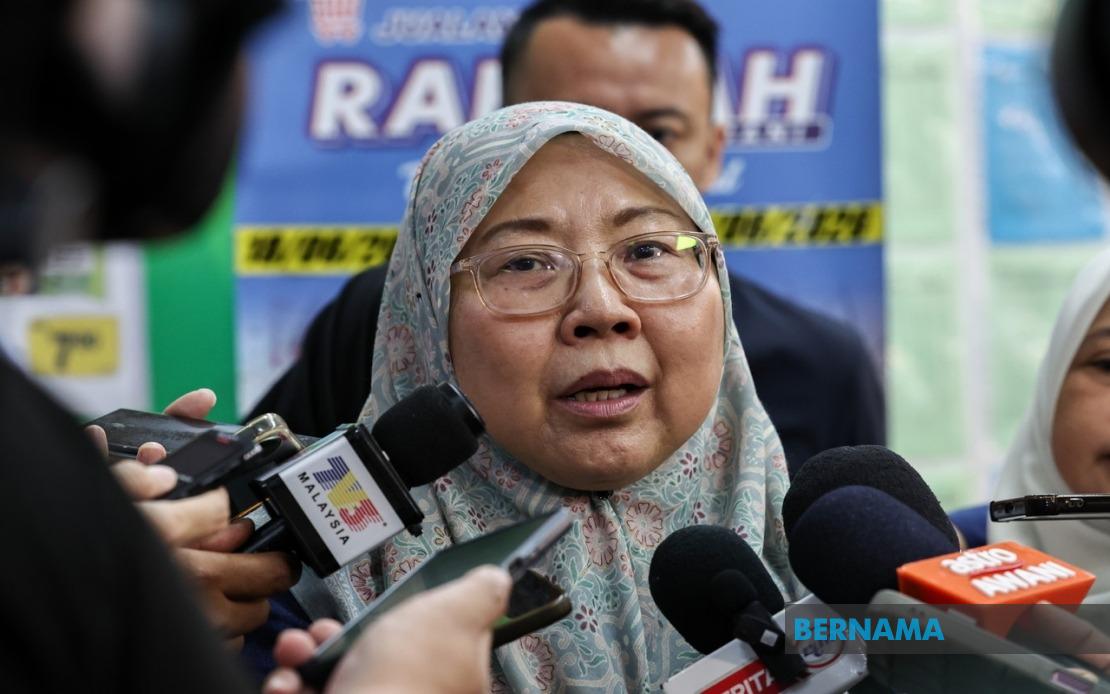
The PKR has substantially concluded its process of candidate selection for the forthcoming state elections in Johor and Negeri Sembilan, with the party's secretary-general Datuk Dr Fuziah Salleh confirming that the list stands at 99 per cent completion. The party is preparing to contest 20 state assembly seats in Johor and 16 in Negeri Sembilan, with formal announcement of the full roster expected within days. This marks a critical juncture as Pakatan Harapan seeks to consolidate its representation across two states that have historically served as important political battlegrounds within the federation.
When presenting the candidate slate, PKR has committed to fielding what leadership describes as a balanced combination of seasoned politicians and newcomers to electoral politics, with particular emphasis on ensuring that women and younger candidates receive meaningful representation within the party's lineup. The precise proportion of new faces to be introduced remains undisclosed, pending the official candidate announcement ceremony. This approach reflects broader pressure within Malaysian political circles to rejuvenate party structures and broaden demographic appeal beyond traditional voter bases, a consideration that has gained particular salience following recent electoral performances by opposition coalitions.
The Johor electoral contest unfolds against a backdrop of shifting political dynamics within Malaysia's largest southern state. Before the dissolution of the Johor State Legislative Assembly on June 1, Barisan Nasional maintained dominant control with 40 of the assembly's 56 seats, while Pakatan Harapan held 12, Perikatan Nasional secured three, and the independent MUDA representative claimed one. The Election Commission has scheduled June 27 as nomination day and July 11 as polling day, establishing a compressed timeline for campaign activities and candidate mobilisation. This schedule compresses the traditional campaign period, potentially advantaging established parties with existing machinery and financial resources.
Negeri Sembilan presents a distinct political configuration, with the state assembly dissolved on June 5 ahead of scheduled voting on August 1. The nomination filing deadline is set for July 18, with early voting occurring on July 28. Within the 36-seat assembly, Pakatan Harapan previously controlled 17 seats compared to Barisan Nasional's 14 and Perikatan Nasional's five, suggesting a more competitive landscape than Johor and potentially offering PKR opportunities to consolidate or expand its presence in the state. The staggered election schedule across the two states allows both coalitions to concentrate resources sequentially rather than simultaneously managing campaigns in multiple jurisdictions.
A lingering complication within PKR's campaign preparations involves a territorial dispute over the Puteri Wangsa state constituency in Johor between PKR and its coalition partner Amanah. Johor Amanah leadership, specifically vice chairman Dr Zuhan Zain, has contested PKR's claim to the seat, arguing that Amanah possesses legitimate claim to the constituency. PKR's position rests on the argument that the seat originally belonged to PKR before being loaned to the Malaysian Democratic Alliance Party, known as MUDA, during the 2022 state election cycle. Rather than resolving this matter at the grassroots or state party level, Fuziah indicated that the dispute has been escalated to the highest decision-making authorities within both component parties of Pakatan Harapan, suggesting recognition that internal coalition management requires careful handling to prevent public factionalisation.
The broader implications of these elections extend beyond immediate parliamentary arithmetic. Johor and Negeri Sembilan together constitute significant portions of Peninsular Malaysia's electoral landscape, and opposition performance in these contests will provide crucial indicators of PKR's capacity to compete effectively against BN dominance outside urban strongholds. PKR's determination to balance veteran and emerging candidates may reflect calculations about mobilising younger voters whilst retaining institutional knowledge and campaign experience. The emphasis on gender diversity responds to evolving expectations regarding female political participation, though genuine representation in winnable seats versus symbolic placement remains a measurement that Malaysian political observers typically scrutinise carefully.
Separately, PKR faces internal disciplinary matters that carry implications for party cohesion and messaging. The case involving Subang MP Wong Chen, who controversially challenged the party to sack him following commencement of disciplinary proceedings, has been referred to PKR's Disciplinary Board for formal action. Wong Chen's public defiance represents an unusual intraparty challenge to leadership authority and suggests underlying tensions within PKR regarding internal governance and the boundaries of acceptable criticism. How this matter concludes will likely influence perceptions of PKR's capacity to maintain internal discipline and present unified messaging during these critical electoral periods.
The timing of these elections, occurring within an extended cycle of state-level contests across Malaysia, contributes to a more fluid political environment. Voter fatigue from repeated electoral participation in short succession may dampen turnout or alternatively mobilise particular constituencies motivated by specific state-level issues. The compressed campaign timelines in both Johor and Negeri Sembilan mean that candidate recognition and party machinery efficiency become particularly crucial determinants of electoral outcomes, potentially advantaging incumbent parties and established politicians over newcomers regardless of broader political sentiment. PKR's candidate strategy thus becomes instrumental to translating whatever reservoir of anti-BN sentiment exists into actual legislative representation.
For Malaysian voters across these states, these elections represent opportunities to express preferences regarding state governance, development priorities, and the broader ideological direction of federal politics. Johor, as Malaysia's second-most populous state, carries particular symbolic weight, whilst Negeri Sembilan's more compact electorate may be susceptible to targeted campaign messaging and coalition-specific appeals. The composition of PKR's candidate list—particularly the balance between continuity and renewal, and the substantive role assigned to women and younger politicians—will become measurable indicators of whether Malaysian opposition politics is genuinely evolving or merely replicating existing patterns with cosmetic alterations.