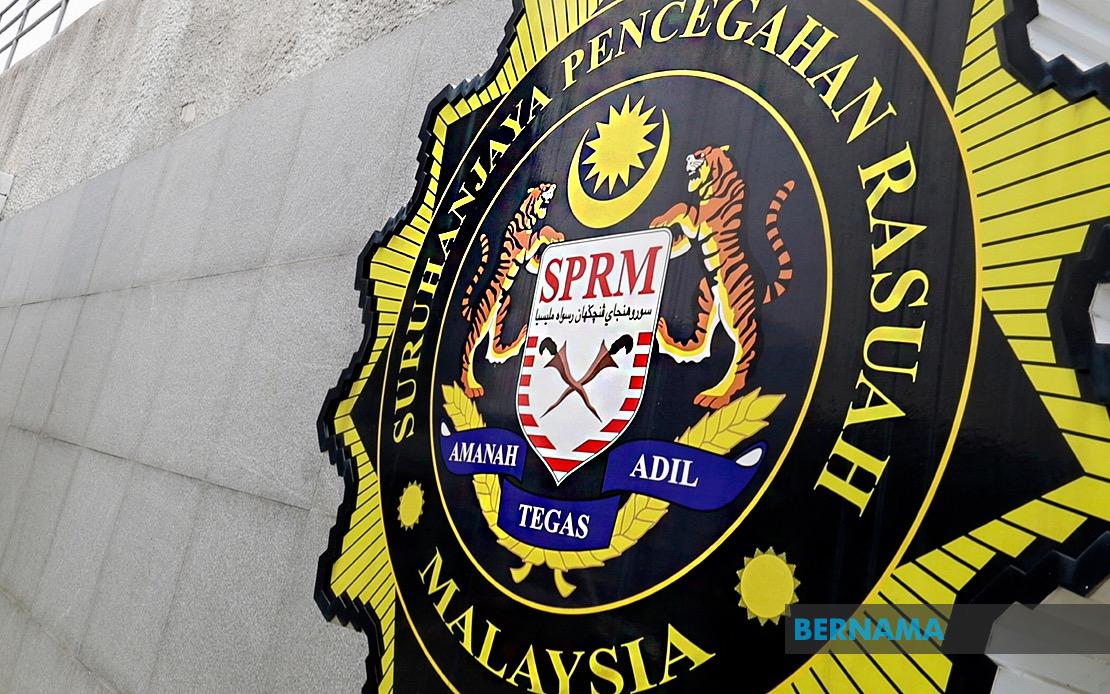
The Malaysian Anti-Corruption Commission has moved decisively against a network of government officials and private contractors accused of orchestrating a sophisticated bribery scheme worth approximately RM2.5 million. The enforcement action, announced on June 17, represents a significant blow against procurement fraud within a northern Malaysian government agency, where both serving and former directors allegedly participated in channelling bribes from desperate contractors seeking lucrative project awards.
The scale of the operation underscores the depth of the suspected corruption. Thirteen individuals—comprising eight civil servants and five private business figures—were taken into custody following a coordinated raid operation last Monday. Among the detainees are a current director and a predecessor of the affected government agency, individuals whose positions would have granted them substantial influence over tender decisions and project allocations. The suspects span age ranges from 30 to 60 years old, suggesting a network that had potentially operated across multiple tenure periods within the organization.
The enforcement mechanism deployed by the MACC reveals the commission's growing sophistication in dismantling organized corruption. Operation Drain, as the investigation has been designated, simultaneously raided 25 locations across Kuala Lumpur, Selangor, Pahang and Perak—encompassing residential properties, corporate offices and government facilities. This multi-state approach prevented suspects from coordinating responses and ensured the preservation of evidence across the network. The raids yielded substantial physical assets: approximately RM1.5 million in seized cash, luxury timepieces, motor vehicles including a high-performance motorcycle, and jewellery valued at around RM1 million—indicators of the material benefits that participants accumulated through their alleged illicit activities.
Central to the scheme's operation was a systematic extraction mechanism that placed the burden of corruption costs directly onto contractors. According to the investigation's preliminary findings, contractors competing for direct-award and quotation-based contracts were informed that they must remit bribes ranging between 10 and 15 per cent of their contract value to intermediaries. These intermediaries functioned as corruption conduits, channelling the money upward to both the serving director and the former director of the agency. This tiered structure—typical of organized procurement fraud—created distance between ultimate beneficiaries and direct bribe collection, complicating forensic tracking and providing plausible deniability.
The temporal parameters of the alleged conspiracy reveal a concerning window of vulnerability. Preliminary investigations indicate that the corrupt arrangements operated between 2024 and 2026, suggesting the scheme was either recently exposed or represents the investigative window under examination. This timeframe is particularly troubling because it encompasses periods well into Malaysia's contemporary anti-corruption enforcement framework, indicating that despite the presence of regulatory mechanisms and oversight bodies, determined conspirators could still operate with sufficient confidence to organize systematic bribery across a government agency.
The direct-award and quotation-based procurement mechanisms targeted by this cartel represent inherently higher-risk areas within government procurement systems. Unlike open competitive tendering, these streamlined processes involve discretionary decision-making by officials, creating opportunities for favoritism and corruption. By monopolizing these contracts through corrupt arrangements, the cartel effectively excluded legitimate competitors from market access and inflated project costs for taxpayers. Each bribed contract represented not merely a transfer of government money to corrupt officials, but a broader distortion of market competition and misallocation of public resources.
The remand arrangements approved by the Ipoh Magistrate's Court differentiate between suspect categories based on investigative priority. Three suspects—including two civil servants and one company director—were remanded for two days, suggesting they may represent either early cooperators or lower-priority subjects. The remaining ten suspects faced five-day remand periods extending through June 20, indicating more intensive interrogation needs. This differentiation strategy suggests the MACC is pursuing a tiered investigative approach that may facilitate cooperation from peripheral players in exchange for reduced charges or sentencing considerations.
The investigation proceeds under Section 17(a) of the MACC Act 2009, which addresses solicitation and acceptance of gratifications by public officials. This legal framework provides the commission with substantial prosecutorial leverage and sentencing flexibility. Convictions under this provision can result in custodial sentences of up to 20 years and fines up to RM250,000 for individuals, creating significant deterrent effects. The choice of this statutory foundation suggests the MACC perceives the case as involving clear evidence of systematic bribery rather than more ambiguous conflicts of interest or questionable procurement decisions.
For Malaysian procurement systems more broadly, this operation illuminates vulnerabilities that demand structural attention. Government agencies utilizing direct-award and quotation-based processes remain exposed to similar corruption unless rigorous internal controls, competitive tendering requirements, and regular forensic audits are implemented. The involvement of former agency directors suggests that corruption may persist even after officials transition to other positions, indicating that career progression itself may require anti-corruption certification or vetting mechanisms currently absent from Malaysia's civil service framework.
The implications extend beyond the specific agency involved. Procurement cartels, by their nature, operate across multiple suppliers and officials—suggesting that parallel corruption investigations may be warranted at other government entities utilizing similar contracting methodologies. The RM2.5 million figure represents merely the alleged direct bribes; the full cost to taxpayers when factoring in inflated project costs and market distortion likely exceeds this substantially. Malaysian businesses operating legitimately but unable to compete against cartelized bidding may perceive regulatory capture as insurmountable, discouraging productive entrepreneurship in favour of either exit or incorporation into corrupt networks.
The success of Operation Drain also reflects evolving investigative capacity within the MACC itself. The coordination required to simultaneously execute 25 raids, preserve evidence across multiple jurisdictions, and secure remand orders within compressed timeframes demonstrates institutional competence that was not consistently evident in earlier corruption investigations. This operational maturation suggests that Malaysia's anti-corruption architecture may finally be acquiring the technical sophistication necessary to dismantle organized graft networks rather than merely prosecuting individual opportunistic offences.
As the investigation proceeds through interrogation phases and toward potential prosecution, the case will likely establish important precedent regarding evidentiary standards for organized procurement fraud and the treatment of intermediaries versus direct beneficiaries. The involvement of both civil servants and private contractors also raises questions about conspiracy liability and whether corporate entities should face institutional accountability alongside individual proprietors. These prosecutorial decisions will substantially influence the deterrent effect of the operation and shape how future corruption networks calculate their risk exposure.