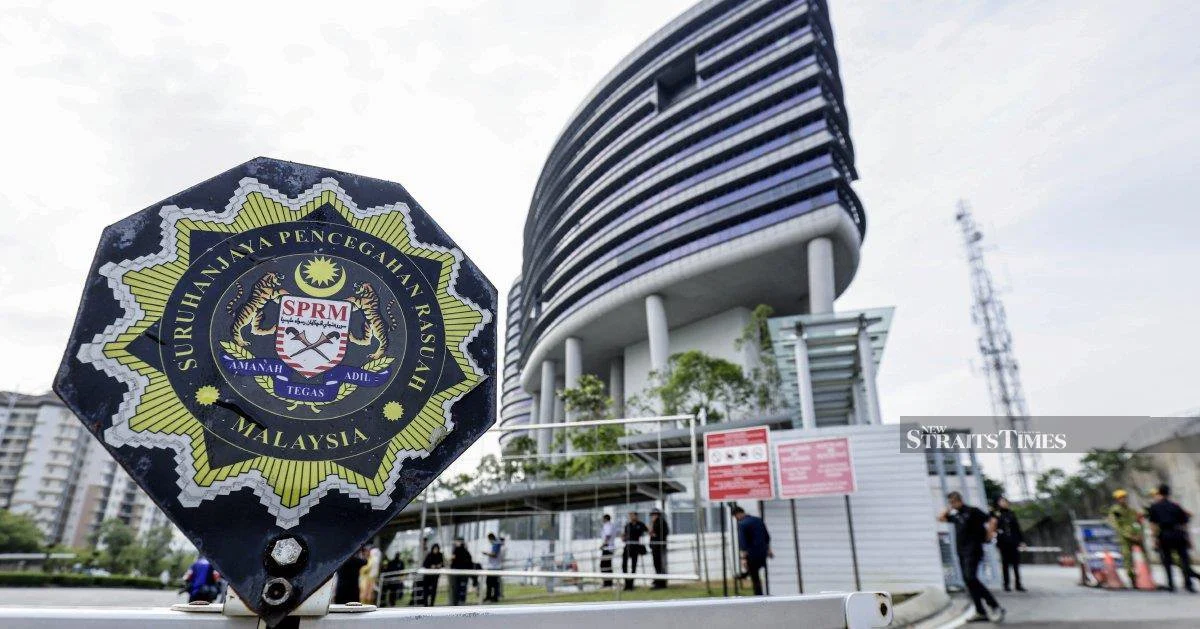
The Malaysian Anti-Corruption Commission announced it will conduct a comprehensive assessment of governance mechanisms and operational procedures within the Daya Kerjaya 2.0 employment incentive initiative, focusing on identified vulnerabilities that may have enabled alleged fraudulent activities worth approximately RM9 million. This development comes as part of a broader inquiry into systemic weaknesses that permitted false claims to proceed without adequate detection or verification.
The Daya Kerjaya 2.0 scheme represents a significant government intervention aimed at supporting workforce development and job creation across Malaysia. As an incentive-based programme, it provides subsidies or financial assistance to participating employers and workers, creating substantial financial flows that require robust oversight. The discovery of substantial fraudulent claims underscores the critical importance of internal controls and transparent verification mechanisms in any large-scale social or economic initiative.
Governance weaknesses in public programmes typically manifest in several interconnected areas. These may include inadequate documentation requirements, insufficient cross-verification between participating institutions, weak approval processes that lack proper authorisation thresholds, and limited real-time monitoring capabilities. When such vulnerabilities exist simultaneously, they create opportunities for bad actors to exploit the system with relative impunity, making the investigation into procedural deficiencies as important as identifying individual wrongdoers.
The MACC's decision to examine systemic issues rather than focus exclusively on individual perpetrators reflects modern anti-corruption practice. Rather than treating fraud as isolated incidents, authorities increasingly recognise that large-scale misconduct typically requires environmental enablers—organisational failures, process gaps, or cultural factors that facilitate dishonesty. By addressing these root causes, authorities can implement reforms that make future fraudulent activities substantially more difficult.
Employment incentive schemes occupy a particularly sensitive position within Malaysia's governance framework. These programmes directly impact economic competitiveness, workforce participation rates, and income distribution across regions. When public funding intended to support job creation becomes compromised by fraud, the effects ripple beyond immediate financial losses. Affected workers may miss genuine opportunities, employers may lose confidence in government support mechanisms, and overall programme credibility suffers damage that takes considerable time and effort to rebuild.
The RM9 million figure attached to alleged fraudulent claims suggests this is not an isolated problem but rather a systemic issue of concerning scale. For context, this magnitude of fraud typically indicates either multiple coordinated perpetrators or sophisticated schemes that systematically exploited specific vulnerabilities. Either scenario demands thorough investigation into how claims were processed, approved, and paid without triggering detection mechanisms that should theoretically exist in well-designed government programmes.
Malaysia's broader context matters significantly here. As the country pursues economic transformation and aims to compete regionally and globally, the integrity of government support programmes becomes increasingly vital. Investors and international observers assess institutional quality partly through examination of how efficiently and cleanly public resources are deployed. Governance failures in visible programmes like employment incentives can undermine confidence in other government initiatives, from infrastructure development to technology adoption programmes.
The investigation carries implications for other similar schemes operating across Malaysian ministries and agencies. If Daya Kerjaya 2.0 experienced governance weaknesses sufficient to permit millions in fraudulent claims, other programmes with comparable structures may face similar risks. This reality likely prompted broader scrutiny across government, with programme administrators reviewing their own control mechanisms and reporting suspicious activities to investigative authorities.
Procedural improvements emerging from this investigation could establish useful templates for strengthening employment support initiatives across Southeast Asia. Regional governments facing similar challenges in deploying workforce development programmes would benefit from Malaysia's experience. The MACC's willingness to share findings and recommendations publicly would contribute to raising standards across the region's development finance and employment policy ecosystems.
The investigation also carries personnel and accountability dimensions that extend beyond administrative reform. Individuals within programme administration, whether supervisors, approvers, or frontline officers, may face scrutiny regarding whether they knowingly facilitated fraudulent claims, demonstrated negligent oversight, or simply failed to notice obvious warning signs. The balance between accountability and systemic reform in the investigation's outcome will significantly influence how Malaysian public servants approach future governance responsibilities.
For employers and workers currently participating in Daya Kerjaya 2.0, the investigation creates temporary uncertainty regarding programme operations and eligibility verification. However, enhanced scrutiny may ultimately improve participant confidence by demonstrating that fraudulent competitors cannot indefinitely exploit the system. Legitimate participants benefit when bad actors face consequences and when programme integrity improves.
Moving forward, the MACC's findings will likely inform recommendations for enhanced verification technology, clearer documentation standards, stronger inter-agency information sharing, and revised approval workflows. Implementation of these recommendations would require coordination between the MACC, the programme's administering ministry, and potentially other government bodies. The pace and thoroughness of reform implementation will signal to the public and international observers whether Malaysia treats governance improvement as a genuine priority or merely a reactive response to discovered problems.