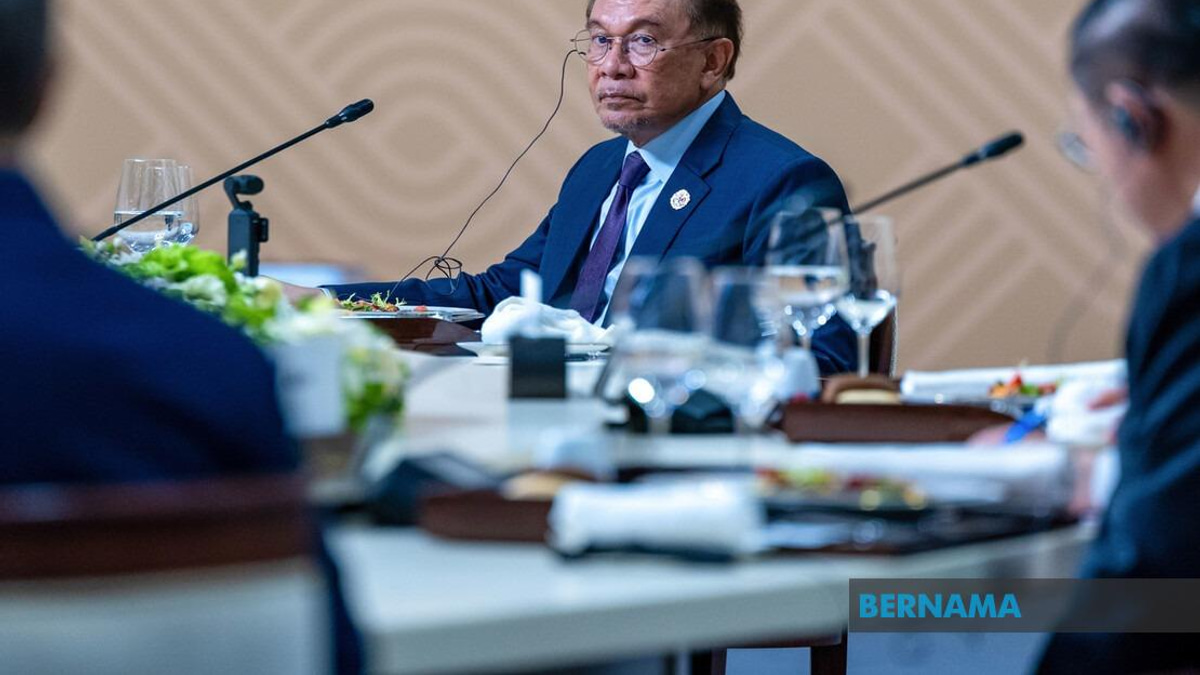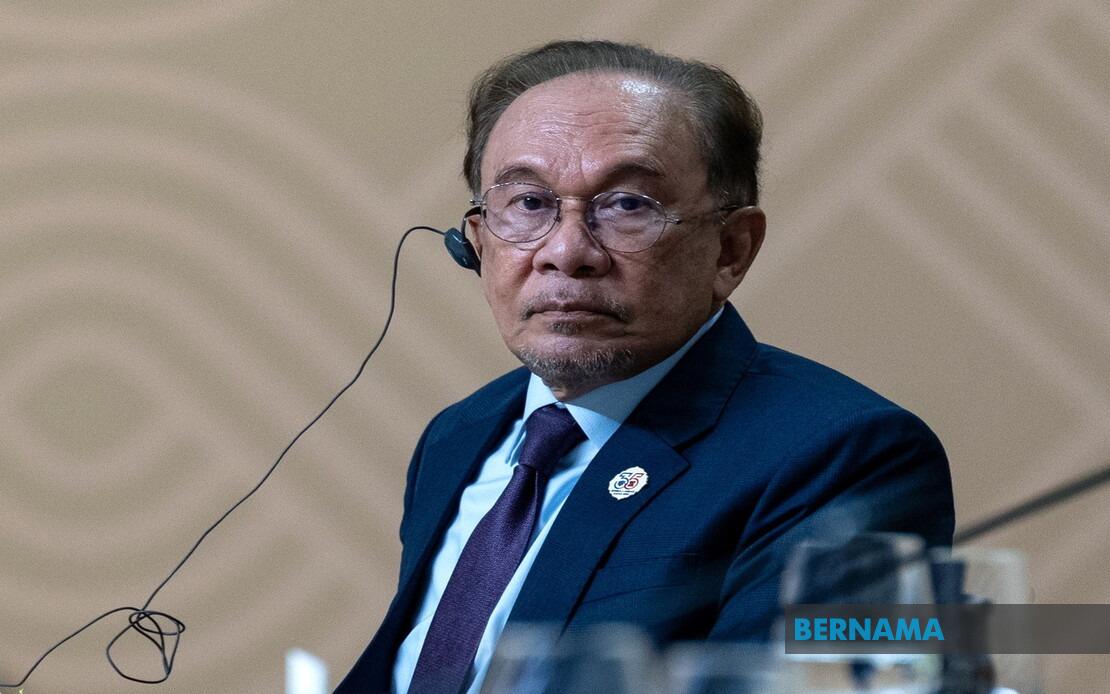
Malaysia has thrown its diplomatic weight behind emerging prospects for a peace settlement between the United States and Iran, with Prime Minister Datuk Seri Anwar Ibrahim signalling cautious optimism about negotiations that could reshape regional stability in West Asia. Speaking in Kazan during the 35th ASEAN-Russia Commemorative Summit on Thursday, Anwar outlined the potential for a memorandum of understanding that would move both nations toward conflict resolution and sustainable peace across a region long fractured by geopolitical tension and proxy conflicts.
The optimism expressed by the Malaysian premier carries weight because it reflects direct engagement with multiple stakeholders actively steering the diplomatic process. Anwar based his assessment on conversations with Pakistan Prime Minister Shehbaz Sharif, who has assumed a central mediating role in orchestrating discussions between Washington and Tehran. According to Anwar, Sharif has maintained comprehensive involvement at every negotiating stage, providing him with real-time insights into the trajectory of these sensitive talks. This behind-the-scenes diplomatic channel offers Malaysia—and by extension, ASEAN nations—visibility into developments that remain largely opaque to the broader international community.
The timeline constraining these negotiations adds both urgency and significance to the diplomatic push. With a maximum 60-day window for finalising an agreement, both parties face concrete deadlines that could either catalyse compromise or expose unbridgeable differences. Anwar acknowledged the compressed timeframe while maintaining that the period, though challenging, remains feasible for breakthrough. His invocation of prayer and collective goodwill reflects the profound stakes involved—a successful accord would reshape Middle Eastern geopolitics, while failure could entrench existing antagonisms and destabilise supply chains, investment flows, and security arrangements affecting Southeast Asia directly.
Russian President Vladimir Putin's alignment with this diplomatic initiative further strengthens the foundation for Anwar's confidence. During their bilateral discussions, Putin conveyed a similarly positive outlook regarding the peace agreement's prospects. This convergence between Moscow and Washington—despite their own substantial disagreements over Ukraine and other strategic matters—underscores the breadth of international consensus supporting a resolution to the US-Iran impasse. For Malaysia and ASEAN, Russian backing for such negotiations signals that even amid broader geopolitical fragmentation, certain shared interests in regional stability can still command multilateral support.
The involvement of Pakistan as mediator reflects Islamabad's historical position as a bridge between the Islamic world and Western powers, as well as its significant economic and security interests in regional stability. Pakistan's influence derives from its diplomatic ties with both Tehran and Washington, combined with the trust it has accumulated through decades of regional engagement. That Sharif has been deeply embedded in every negotiating stage suggests the mediation effort extends beyond symbolic gestures to substantive problem-solving. For Malaysia, Pakistan's role validates the importance of respected intermediaries who understand both parties' constraints and aspirations.
Anwar's caveat regarding the Trump administration introduces a note of realism into the otherwise optimistic assessment. The unpredictability of American policy under different administrations, particularly regarding Iran, has historically complicated long-term diplomatic breakthroughs. Trump's previous withdrawal from the Joint Comprehensive Plan of Action (JCPOA) in 2018 fundamentally altered the diplomatic landscape, leading to intensified sanctions and heightened regional tensions. While Anwar stopped short of characterising this as an insurmountable obstacle, his acknowledgment that variables remain uncontrolled reflects the genuine complexities undermining all such initiatives.
For Malaysia and the broader ASEAN community, the stakes in a US-Iran accord extend well beyond the Levantine and Persian Gulf regions. Peace between these adversaries could unlock significant economic opportunities, reduce military expenditure in the region, and enable resources to flow toward development and poverty alleviation. A protracted conflict, conversely, perpetuates humanitarian crises, refugee flows toward Southeast Asia, and volatility in energy markets that directly affect the region's oil-dependent economies. Malaysian policymakers recognise that stability in West Asia facilitates their own strategic autonomy and prosperity.
The timing of Anwar's remarks at a Russia-focused multilateral summit also merits consideration. By emphasising this mediation effort in that venue, Malaysia positioned itself as a responsible stakeholder invested in peaceful resolution through dialogue—a posture consistent with ASEAN's non-aligned tradition and emphasis on consensus-building. This contrasts sharply with zero-sum framings that treat geopolitical competition as inevitably conflictual. Anwar's diplomatic language suggests Malaysia views multilateral forums as appropriate spaces for advancing shared objectives around conflict prevention.
The 60-day window represents a compressed but achievable timeframe if political will aligns. Precedent from other multilateral negotiations suggests that intensive, high-level engagement can produce comprehensive agreements within similar periods, provided foundational consensus exists on core principles. The fact that Pakistan's mediation has reportedly generated momentum in both capitals indicates that such consensus may already be forming around basic parameters—though significant details presumably remain contested.
Looking forward, the success or failure of these US-Iran negotiations will reverberate throughout Southeast Asia's strategic calculus. A successful agreement would vindicate multilateral mediation and dialogue-based approaches to dispute resolution, strengthening ASEAN's own conflict-management frameworks. Conversely, a breakdown would underscore the limitations of diplomacy when state interests diverge fundamentally, potentially driving more assertive military posturing across the Middle East and indirectly affecting Asian security dynamics.
Anwar's measured optimism, grounded in concrete intelligence from Pakistan and Russia rather than mere wishful thinking, positions Malaysia as a thoughtful observer of these critical negotiations. His public backing of the peace process also signals that Malaysian foreign policy will remain supportive of diplomatic solutions in principle, even as practical implementation depends on forces largely beyond ASEAN's control. This stance reflects Malaysia's strategic interest in a stable international system where smaller nations retain agency and larger powers exercise restraint.