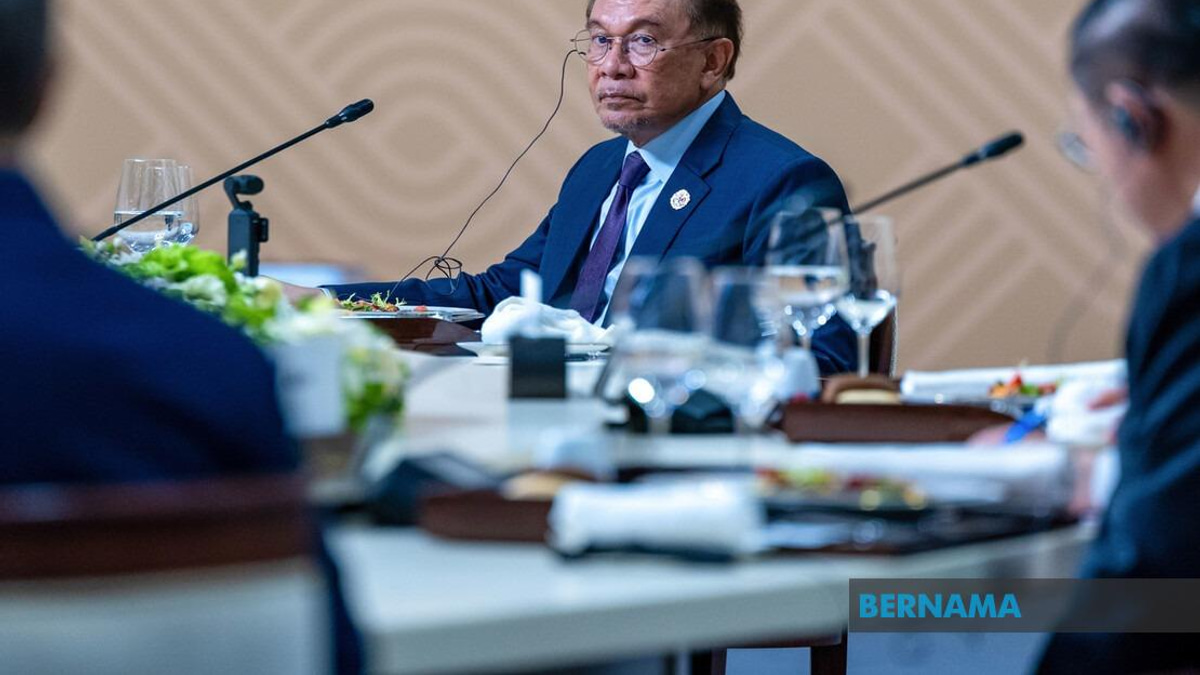
Malaysia has expressed strong support for a developing accord between the United States and Iran designed to bring an end to regional hostilities, with Prime Minister Datuk Seri Anwar Ibrahim signalling the country's readiness to back diplomatic progress. The Malaysian leader took to social media to acknowledge the significance of the emerging arrangement, which both nations have committed to formalising through a memorandum of understanding in the immediate term. His statement reflects Kuala Lumpur's broader foreign policy stance of championing peaceful resolution to international conflicts that threaten regional stability.
Anwar's endorsement specifically commended the intermediary role played by Pakistan in facilitating discussions between Washington and Tehran. Such recognition underscores Malaysia's appreciation of multilateral diplomatic channels and the importance of trusted regional powers in bridging widening geopolitical divides. Pakistan's diplomatic positioning has long made it a natural mediator in South and West Asian disputes, and Malaysia's acknowledgement of its efforts signals support for this constructive approach to conflict resolution in an era of heightened tensions.
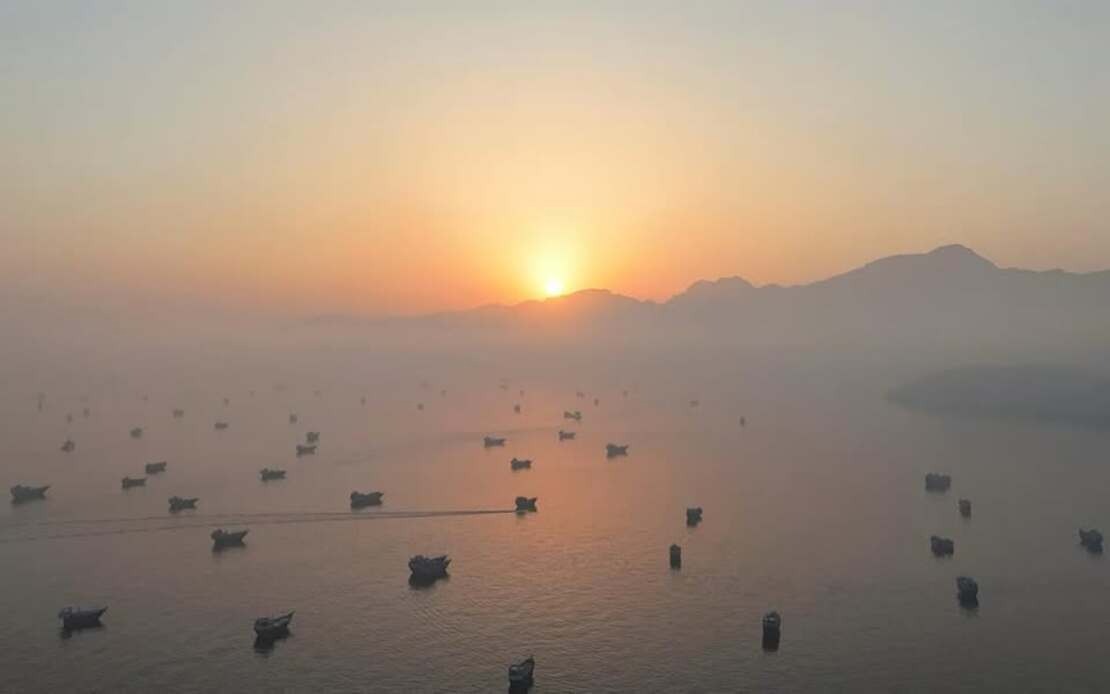
Central to Malaysia's concerns and Anwar's public statement is the immediate reopening of the Strait of Hormuz to unrestricted international maritime commerce. The waterway, one of the planet's most strategically vital shipping corridors, carries approximately one-third of globally traded seaborne petroleum. Its closure or partial blockade poses existential threats not merely to Middle Eastern stability but to the interconnected economic systems spanning Asia, Europe, and beyond. For Malaysia as a maritime trading nation and energy-dependent economy, unfettered access to this artery represents a fundamental prerequisite for sustainable growth and supply chain continuity.
The Prime Minister characterised prolonged disruption to Hormuz traffic as harmful to all stakeholders without exception, reflecting the reality that modern economies lack viable alternatives to this chokepoint. Extended interruptions cascade through global energy markets, driving up costs for fuel and petrochemical products that underpin manufacturing, transportation, and power generation across Southeast Asia. Malaysia, as a significant petroleum producer and refiner with substantial downstream industries, faces direct exposure to price volatility and supply shocks emanating from Middle Eastern tensions. The country's refineries and petrochemical complexes depend on stable access to regional feedstocks and export markets.
Anwar's call for all parties to approach the agreement in good faith and without delay reflects an understanding that fragile diplomatic breakthroughs require immediate translation into concrete measures. The window for consolidating progress in hostile environments typically narrows rapidly as domestic political pressures, military establishments, and hardline factions mobilise to undermine compromises. Malaysia's exhortation for swift action acknowledges this reality and the risk that prolonged negotiation over implementation details could allow opponents of reconciliation to reassert influence.
The Prime Minister further cautioned external actors against actions that could disrupt the nascent diplomatic process or reignite conflict. This messaging addresses concerns that third parties with stakes in regional instability—whether regional competitors or extraterritorial powers—might seek to sabotage the accord through military provocation, sanctions manoeuvres, or clandestine operations. Malaysia's emphasis on restraint from all quarters reflects the fragility of peace initiatives in highly militarised environments where multiple armed forces maintain significant presence and differing strategic objectives.
Malaysia's position also encompasses a broader call for the international community to sustain momentum behind the emerging settlement. This reflects recognition that peace agreements signed amid international indifference frequently collapse when immediate media attention fades and competing crises command global focus. Sustained diplomatic engagement, economic incentives, and multilateral oversight mechanisms provide essential scaffolding to support nascent peace processes through their most vulnerable phases. Malaysia's willingness to contribute to such efforts positions the country as a constructive partner in conflict resolution beyond its immediate neighbourhood.
The Malaysian government's statement explicitly signalled readiness to participate in supporting mechanisms aimed at achieving a durable and equitable settlement. This commitment extends beyond rhetorical backing to suggest Malaysia's potential role in monitoring compliance, facilitating dialogue, or contributing diplomatic resources to implementation frameworks. Southeast Asian nations like Malaysia bring valuable attributes to such processes, including geographic distance from the conflict, relatively balanced relationships with major powers, and accumulated experience in regional conflict management through bodies such as ASEAN.
US President Donald Trump's preceding announcement that an agreement had been finalised and that he was authorising restoration of Hormuz shipping lanes and lifting naval blockades provided the context for Malaysia's response. The timing and specifics of these measures—restoring commerce, removing military restrictions—directly address the concerns Malaysia articulated regarding energy security and trade continuity. However, implementation challenges remain substantial, particularly regarding verification mechanisms and assurances that neither party would unilaterally reimpose restrictions.
For Malaysia and Southeast Asia more broadly, the resolution of US-Iran tensions carries implications extending far beyond Middle Eastern geopolitics. Stability in global energy markets directly influences inflation, investment flows, and economic growth throughout the region. Furthermore, reduction in major-power tensions creates space for diplomatic engagement on issues affecting Southeast Asia, from maritime security to multilateral trade arrangements. Malaysian policymakers clearly view this accord through both immediate and strategic lenses, recognising that regional peace underpins the conditions necessary for Southeast Asian prosperity.