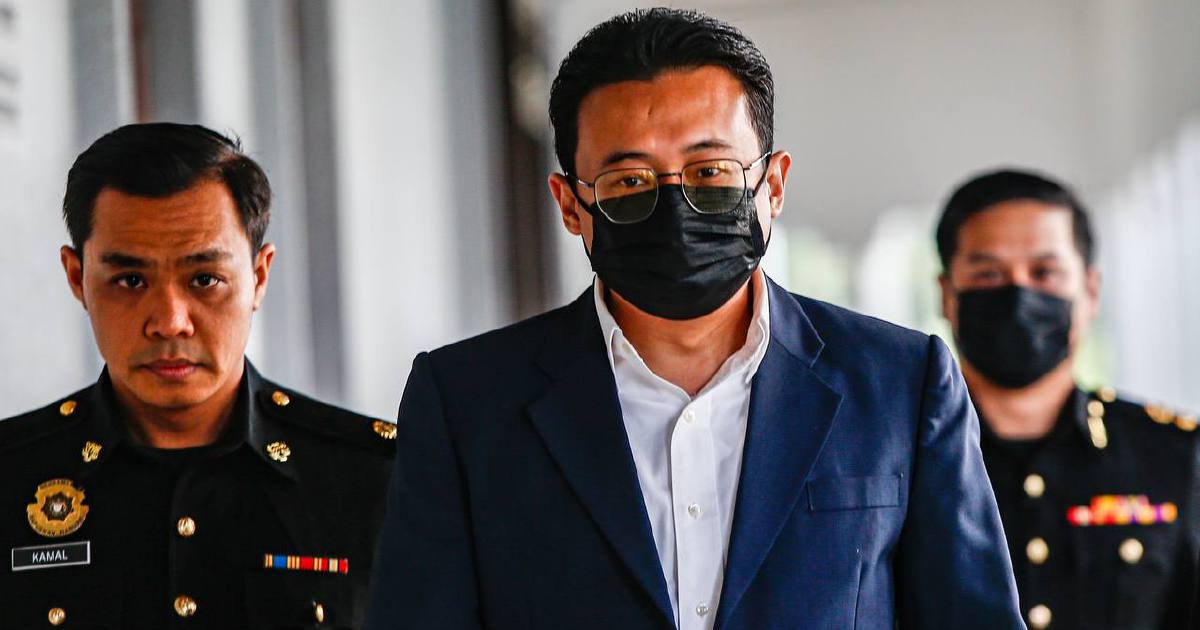
The chief executive officer of Malaysia Stadium Corporation made his formal appearance in Sessions Court in Kuala Lumpur today, entering a not guilty plea to seven charges alleging he solicited and accepted bribes exceeding RM1 million. The allegations centre on his alleged involvement in steering a tender contract for the upgrading of the National Squash Centre to a specific company in exchange for corrupt payments.
The charges represent a significant development in Malaysia's ongoing efforts to combat corruption within government-linked entities and state-owned enterprises. The corruption saga underscores persistent vulnerabilities in tender and procurement processes, even within organisations tasked with managing national sports infrastructure. Senior officials overseeing major capital projects have increasingly become the focus of anti-corruption enforcement, reflecting intensified scrutiny of how public contracts are awarded and executed.
Corruption allegations involving senior management at government-linked corporations carry particular weight in Malaysia's governance discourse. These cases directly impact public confidence in the integrity of state institutions and the fairness of competitive tendering processes. The National Squash Centre upgrade project, while perhaps modest in scale compared to mega-infrastructure ventures, exemplifies how corruption can permeate even specialised sporting facilities. The incident demonstrates that no tier of government management is inherently immune from the pressures or temptations of illicit financial inducement.
The tendering process for public works projects has long been identified as a vulnerability point in Malaysia's anti-corruption framework. When significant sums exchange hands to influence contract awards, not only do taxpayers lose through inflated project costs and reduced accountability, but legitimate companies operating with integrity also face unfair competitive disadvantages. The RM1 million threshold in this case suggests a substantial deviation from legitimate procurement conduct.
Malaysia Stadium Corporation operates several national sporting venues and oversees critical athletic infrastructure. The corporation's role in stewarding these facilities means corruption cases at this level have cascading effects on the quality and cost-efficiency of sports development programmes. When procurement integrity is compromised, project budgets often balloon, timelines slip, and the final product may fail to meet intended specifications. This ultimately affects the quality of training and competition environments available to Malaysian athletes.
The legal proceedings will likely examine the precise mechanisms through which the alleged inducements were offered and accepted. Investigations into such cases typically scrutinise financial transactions, intermediaries, and communications between the accused and representatives of the beneficiary company. The seven separate charges suggest multiple distinct instances of alleged wrongdoing rather than a single consolidated breach, which could indicate a sustained pattern of corrupt conduct over a defined period.
Anti-corruption agencies in Malaysia have substantially elevated their enforcement activities targeting high-ranking officials and corporate executives in recent years. This prosecution reflects that strategic shift toward holding senior decision-makers personally accountable for procurement impropriety. The visibility of such cases serves a broader deterrent function within the civil service and state-owned enterprise ecosystem, signalling that high office provides no protection from investigation and prosecution.
The case arrives at a moment when Malaysia's sports sector faces heightened international scrutiny regarding governance standards and the transparency of major sporting event preparations. Maintaining integrity in sports administration and facility management resonates beyond domestic boundaries, as international sporting bodies increasingly demand assurances that competition hosts and venue operators maintain robust ethical standards. Corruption allegations involving sports infrastructure managers therefore carry reputational implications extending well beyond their immediate administrative jurisdiction.
Sessions Court proceedings in bribery cases of this nature typically span considerable periods, with extensive documentary evidence, witness testimony, and expert analysis often required to establish the elements of solicitation and acceptance of corrupt payments. The not guilty plea signals that the defence will contest the prosecution's case substantively, potentially challenging the sufficiency of evidence, the characterisation of payments as bribes rather than legitimate transactions, or the accused's knowledge and intent regarding the alleged corrupt arrangement.
The outcome of this trial will carry implications for governance standards across Malaysia's broader network of government-linked companies and corporations. Successful prosecution reinforces the message that corruption in tender processes carries serious legal consequences, while acquittal might inadvertently signal weakness in anti-corruption enforcement capacity. For Malaysian readers, the case underscores the ongoing tension between institutional reform efforts and embedded practices within sprawling state enterprises that require consistent vigilance and accountability mechanisms.
As the trial progresses through the Sessions Court system, observers will monitor not only the verdict but also the investigative methods and evidence presentation strategies employed by anti-corruption authorities. These aspects provide insight into the practical effectiveness of Malaysia's institutional capacity to pursue high-level corruption cases within government agencies and state-owned entities.