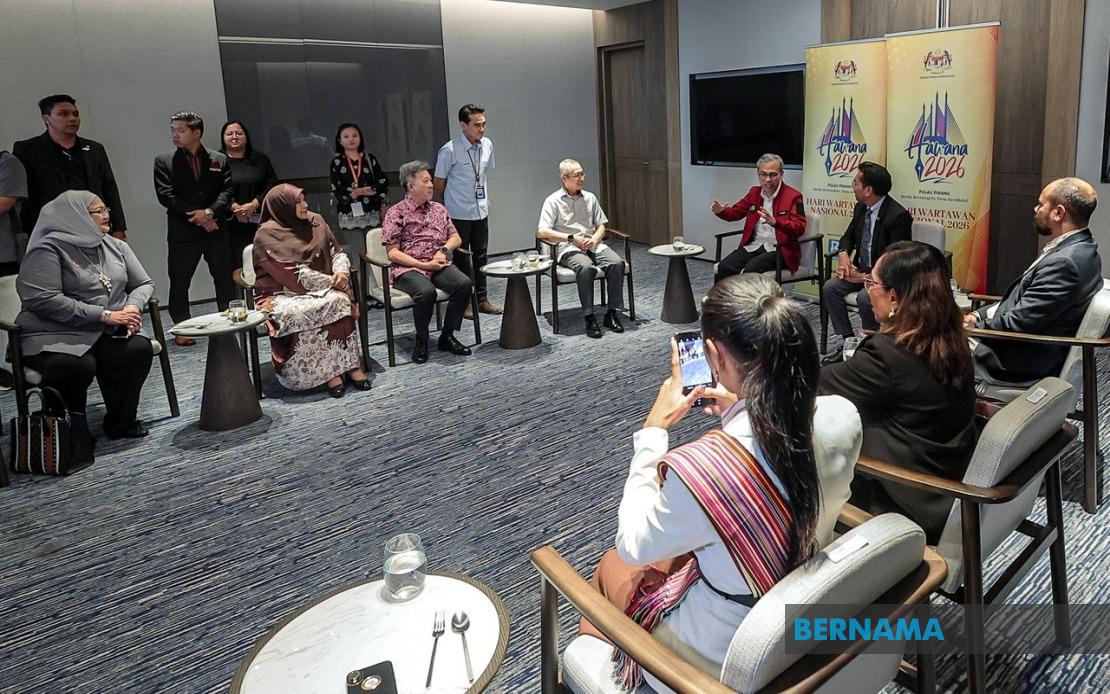
Communications Minister Datuk Fahmi Fadzil has signalled Malaysia's intent to develop a more robust partnership with Timor-Leste across media and information services, with proposals centring on institutional collaboration and capacity-building initiatives. The commitment emerged during talks held in Butterworth with Timor-Leste's Secretary of State for Social Communication, Expedito Loro Dias Ximenes, alongside senior figures from the country's national news agency.
The proposed framework would leverage Malaysia's established broadcast and news infrastructure to support professional development in the neighbouring nation. Fahmi outlined plans for the Tun Abdul Razak Broadcasting and Information Institute (IPPTAR) to conduct training programmes tailored for Timorese journalists, a gesture that reflects Malaysia's positioning as a regional media hub with accumulated expertise. Such initiatives could enhance newsroom practices and editorial standards across both nations while fostering long-term institutional relationships.
Central to the discussion was coordination between Malaysia's Malaysian National News Agency (Bernama) and Radio Televisyen Malaysia (RTM) with their Timorese counterparts—the Agencia Noticiosa de Timor-Leste (TATOLI), represented by president Noemio Mateus Soares Falcao and deputy president Madalena DE JCP Carlos. The expansion of bilateral ties in this sphere reflects broader diplomatic efforts to deepen Southeast Asian connectivity beyond political spheres into the practical realm of information dissemination and journalistic standards.
A notable undercurrent in the bilateral meeting concerned international media freedom rankings. Timor-Leste's standing in the World Press Freedom Index published by Reporters Without Borders (RSF) emerged as a subject of mutual interest, with the nation ranking highest across Southeast Asia and achieving 30th position globally among 180 countries assessed. This exceptional performance—particularly its first-place regional ranking—prompted Fahmi to seek insights into how Timor-Leste has cultivated such favourable conditions for press independence, a reflection of Malaysia's own efforts to improve its international standing on media freedom metrics.
Malaysia currently ranks second in Southeast Asia on the RSF index, a position that Fahmi characterised as reflecting progress under the MADANI Government. The Minister acknowledged that while the nation has registered significant improvements over the preceding three to four years relative to earlier administrations, Malaysia still harbours ambitions to climb further. This competitive but collegial regional dynamic suggests both nations recognise media freedom as integral to governance credibility and democratic legitimacy, even as they navigate distinct political contexts and development trajectories.
The ministerial discussion underscores Malaysia's strategy to position itself as an exemplar of media professionalism within Southeast Asia while simultaneously learning from peers who demonstrate superior performance in international assessments. The emphasis on both cooperation and comparative benchmarking reveals a sophisticated understanding that regional media ecosystems benefit from knowledge exchange and mutual accountability mechanisms. For Malaysia, which has faced periodic international criticism regarding press freedom constraints, such engagement offers diplomatic advantages whilst potentially yielding practical lessons in sustaining editorial independence.
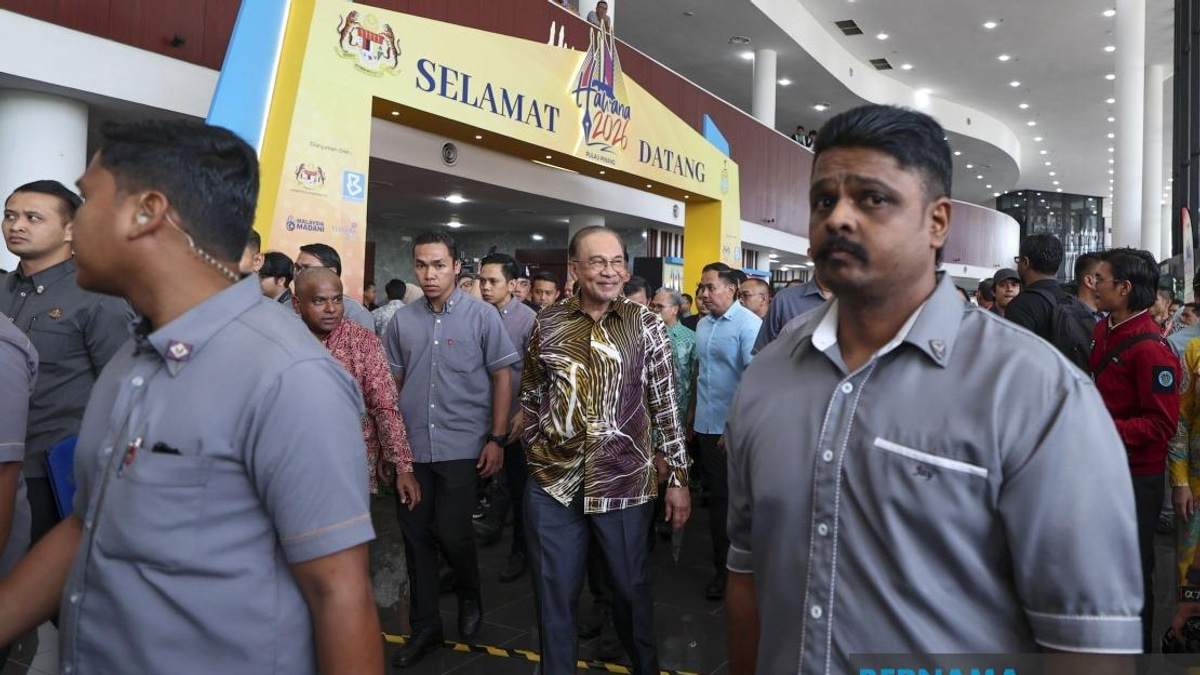
Timor-Leste's delegation attended Malaysia as part of the broader HAWANA 2026 convention, the sixth iteration of this significant regional gathering of media practitioners. Held at the PICCA Convention Centre @ Butterworth Arena, the conference assembled approximately 1,000 participants from across Asia and internationally, convened under the thematic banner "Media Integrity Strengthens Credibility." This setting provided an opportune platform for bilateral discussions, allowing the Communications Minister to pursue formal cooperative arrangements within a context emphasising professional standards and institutional strengthening.
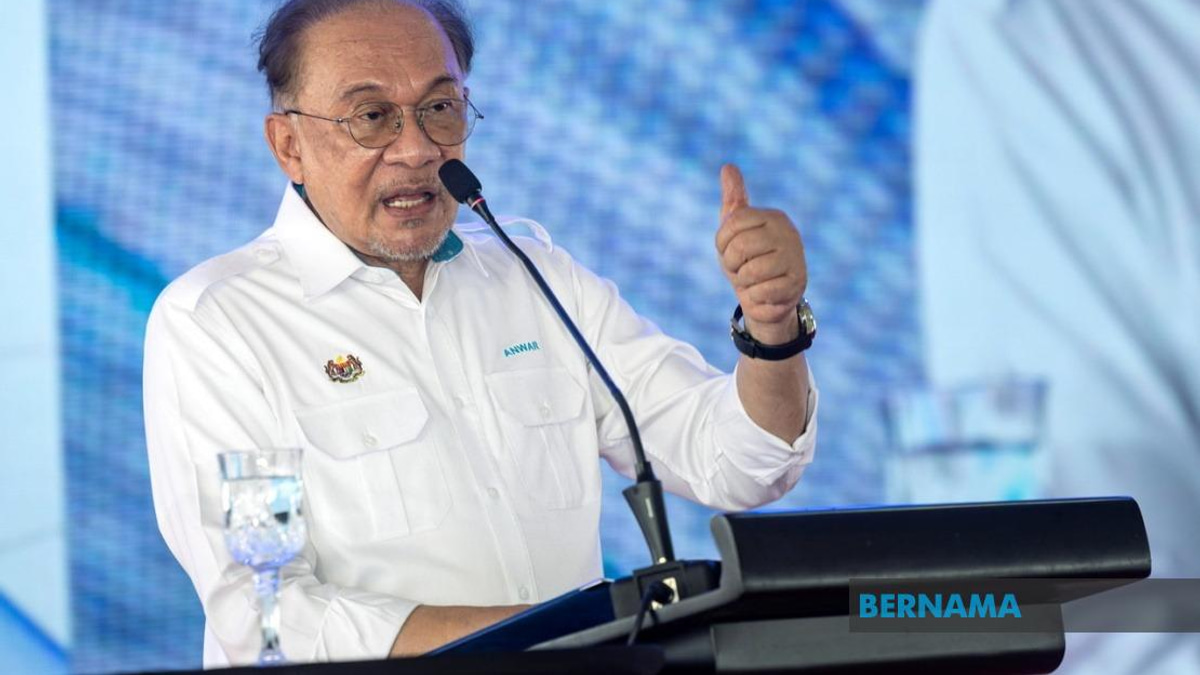
Prime Minister Datuk Seri Anwar Ibrahim was scheduled to officially inaugurate the HAWANA 2026 proceedings at 3 pm, lending political weight to the gathering and signalling the federal government's commitment to elevated media engagement at regional level. The Prime Minister's presence underscored that media-related initiatives occupy a meaningful position within Malaysia's broader diplomatic and governance agenda, particularly concerning Southeast Asian multilateralism and information sector development.
The ministerial delegation attending the Timor-Leste discussions reflected the institutional breadth of Malaysia's media apparatus. Communications Ministry secretary-general Datuk Abdul Halim Hamzah, deputy secretary-general Datuk Bahria Mohd Tamil, and Broadcasting director-general Ashwad Ismail participated alongside senior Bernama leadership, including chairman Datuk Seri Wong Chun Wai, chief executive officer Datin Paduka Nur-ul Afida Kamaludin, and editor-in-chief Arul Rajoo Durar Raj. This high-level representation conveyed institutional commitment to concrete bilateral arrangements rather than diplomatic courtesy alone.
The proposed training initiatives through IPPTAR carry particular significance for capacity development across the region. Journalist education and professional skill-building contribute substantially to newsroom quality and editorial consistency, factors that correlate with international media freedom assessments. By positioning Malaysian institutions as training providers, the government simultaneously advances its regional influence whilst addressing genuine professional development needs in younger media markets.
Looking ahead, the articulated framework suggests Malaysia intends to anchor Timor-Leste media engagement within established institutional channels rather than through ad-hoc arrangements. The involvement of Bernama and RTM, alongside IPPTAR's educational capacity, creates infrastructure for sustained collaboration extending beyond individual ministerial tenures. This institutionalisation approach reflects lessons learned from other regional media partnerships and suggests Malaysian policymakers view Timor-Leste as a priority nation for media diplomacy within Southeast Asia.
%22%2F%3E%3C%2Fpattern%3E%3C%2Fdefs%3E%3Crect%20width%3D%22100%25%22%20height%3D%22100%25%22%20fill%3D%22url(%23phafweg)%22%2F%3E%3Crect%20width%3D%22100%25%22%20height%3D%22100%25%22%20fill%3D%22url(%23phafwep)%22%2F%3E%3Ctext%20x%3D%2250%25%22%20y%3D%2250%25%22%20text-anchor%3D%22middle%22%20dominant-baseline%3D%22central%22%20fill%3D%22rgba(255%2C255%2C255%2C0.95)%22%20font-family%3D%22Georgia%2C%20'Times%20New%20Roman'%2C%20serif%22%20font-weight%3D%22700%22%20font-size%3D%22272%22%20letter-spacing%3D%22-0.02em%22%3EAnwar%3C%2Ftext%3E%3C%2Fsvg%3E)